


Overview
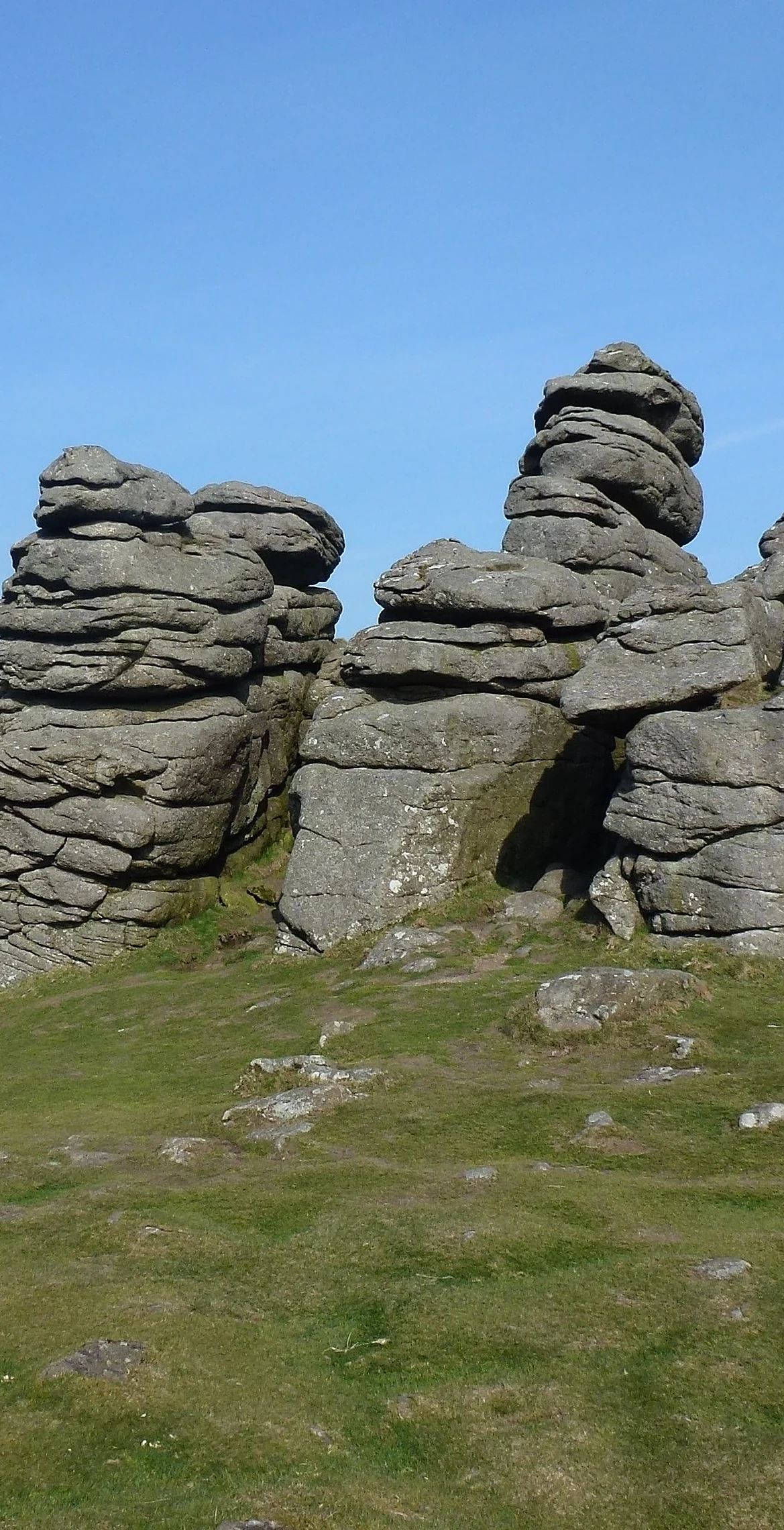
Dartmoor is the biggest stretch of open moorland in southern England, and it’s famous for its tors: crowns of weathered granite that break out of the hilltops and valley sides. There are hundreds of them, from great castles of rock to little outcrops you could walk past without noticing.
The Peak District has the Ethels, the Lake District has the Wainwrights and Scotland has the Munros, but Dartmoor never had a list of its own that picked out the best of the tors. So we made one. The Sylvias were born here on The Lost Peak, and this is the first time they’ve been published anywhere.
Who Was Lady Sylvia Sayer?

Lady Sylvia Sayer spent most of her life fighting to protect Dartmoor. Her grandfather, Robert Burnard, was one of the founders of the Dartmoor Preservation Association, and after she came to live on the moor in 1928 she became one of its fiercest defenders.
She chaired the association from 1951 to 1973, campaigning against new reservoirs, military training, china clay works, forestry and other threats to the open moor. She became Lady Sayer in 1959 when her husband was knighted.
The moor you walk on today is wilder and more open thanks to people like Sylvia Sayer, so it felt right to name its finest tors in her honour.
How We Chose The Tors
There’s no official height rule for a tor, so the Sylvias aren’t picked by height alone. We started from the hundreds of named tors on Dartmoor and looked for the ones that people who know the moor would call the best: the biggest rock piles, the finest viewpoints, the most famous shapes and the wild, remote tops that feel like a real achievement to reach.
We also wanted the list to cover the whole moor, from the high north to the south moor and the eastern edges, and we only included tors you can reach on open access land or public paths. Some fine tors, like Vixen Tor, sit on private land, so they’re not on the list.
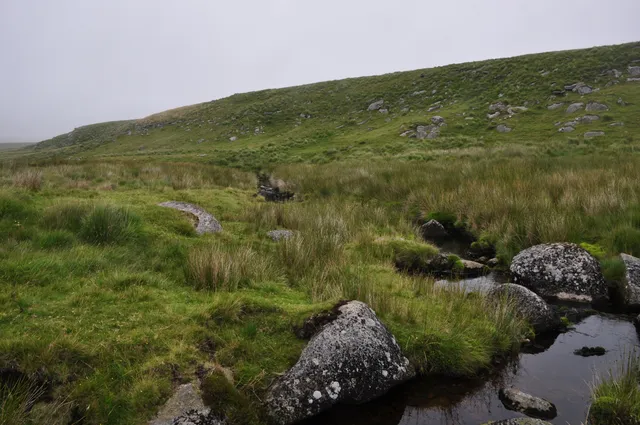
The Highest Sylvias
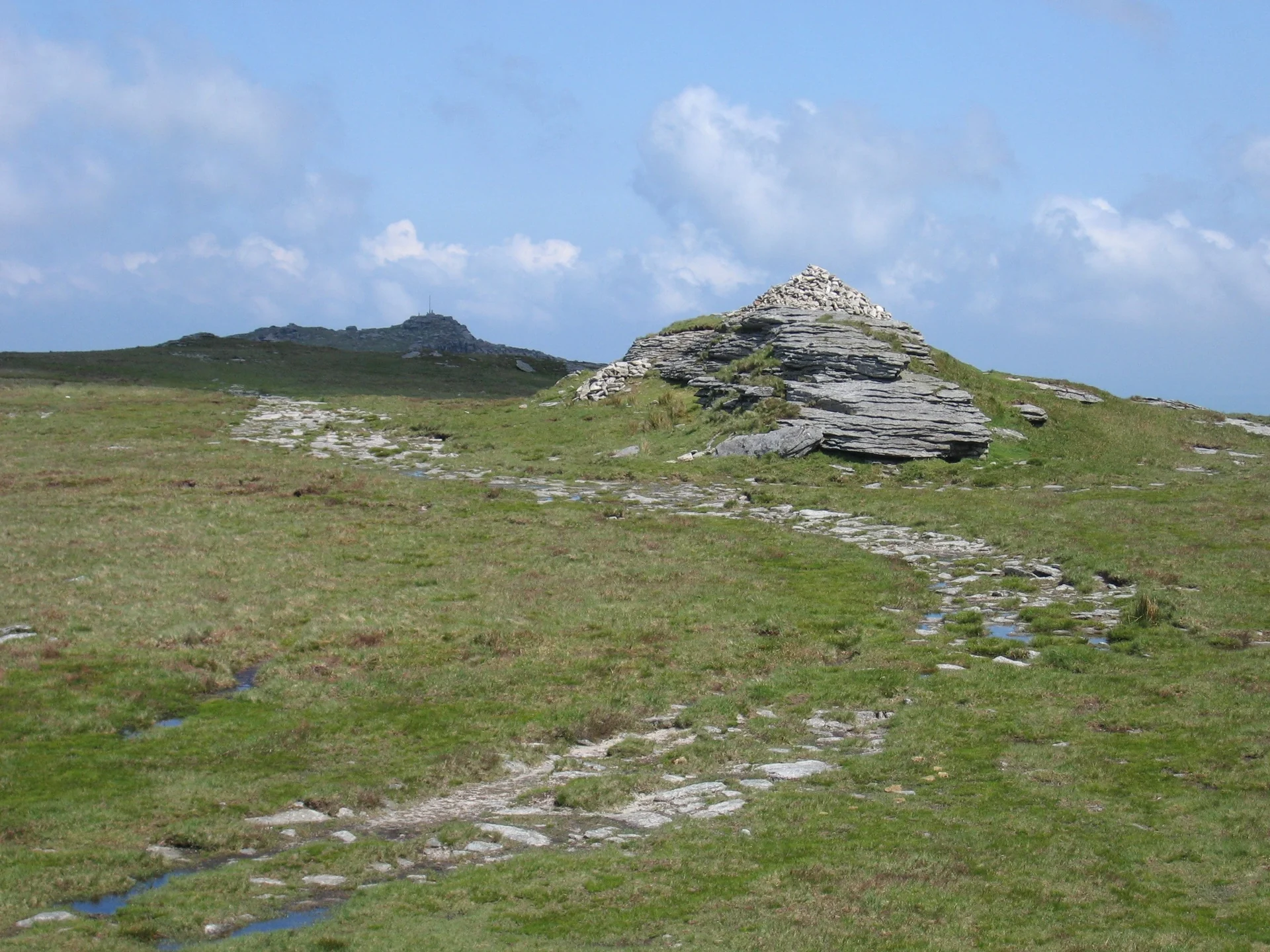
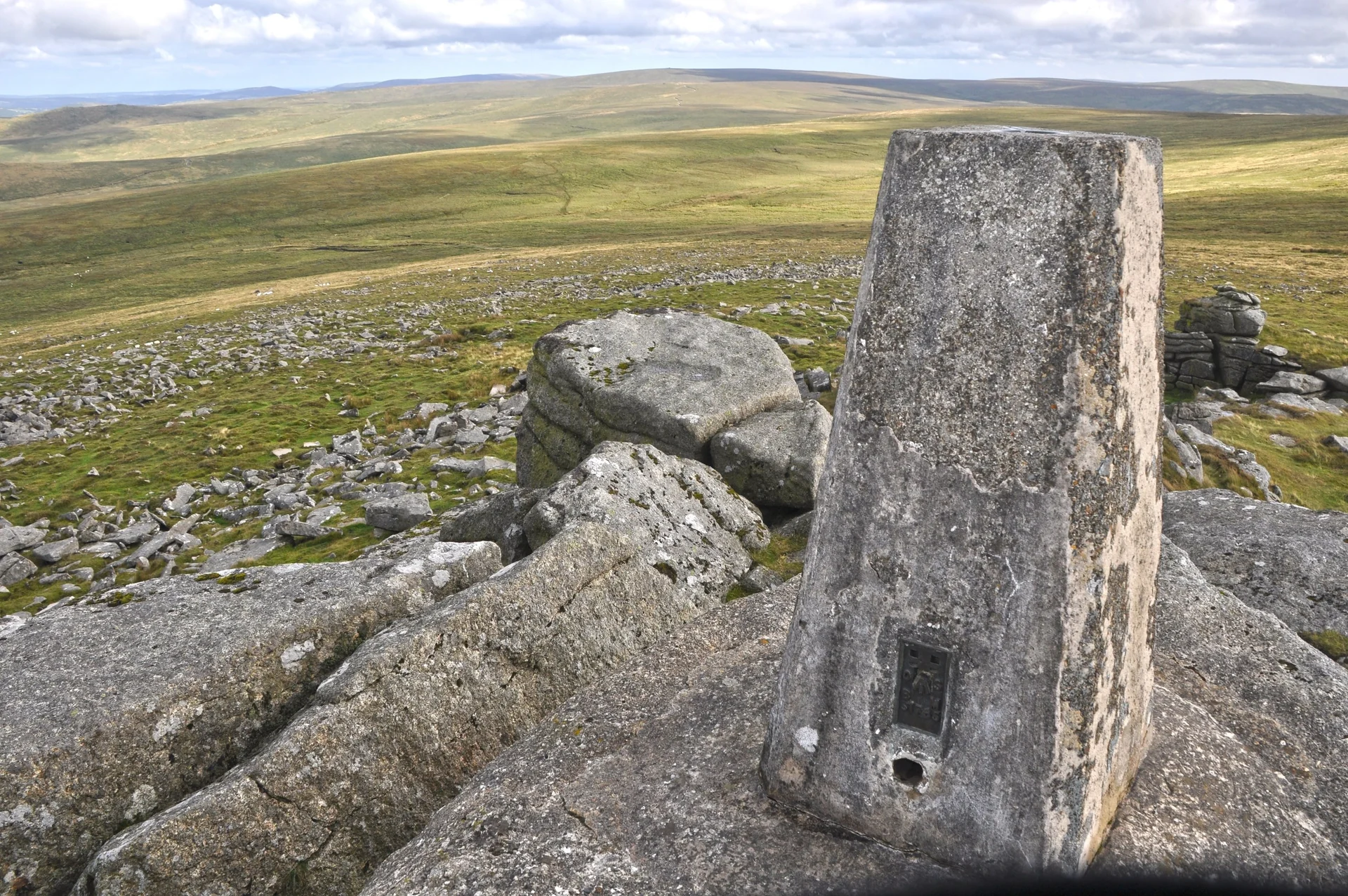
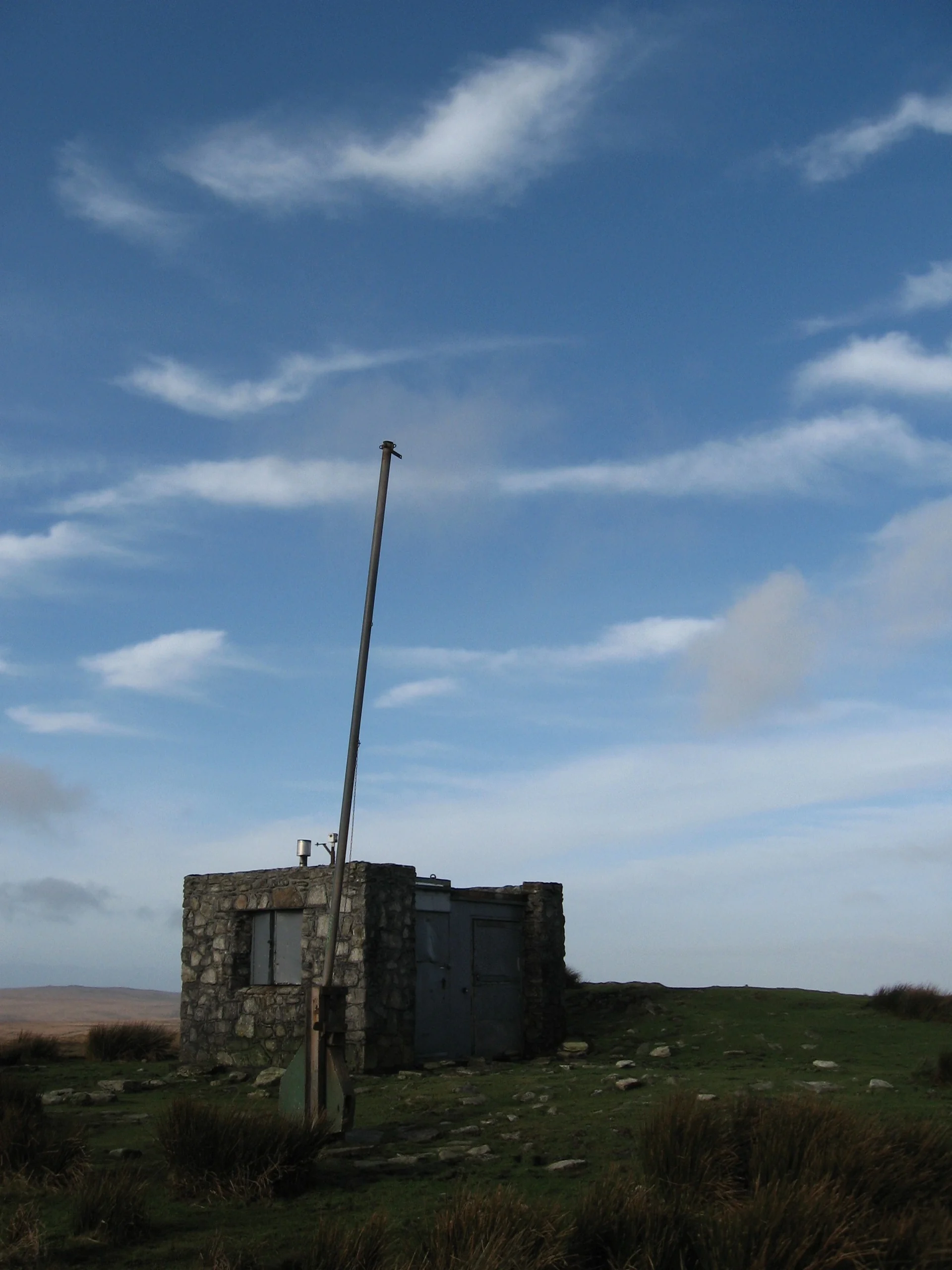
A Few Of Our Favourites
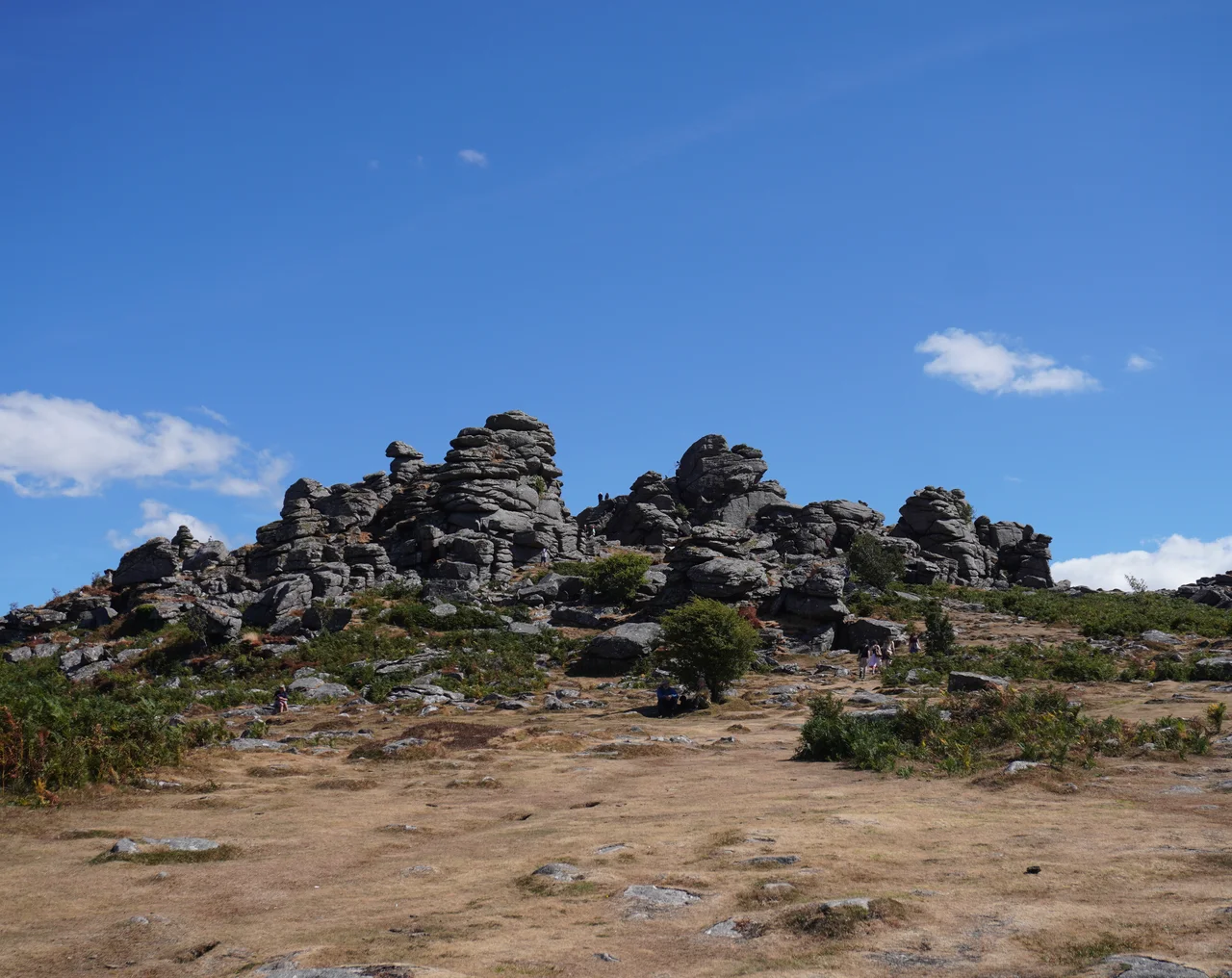
- Haytor is the classic Dartmoor tor, with huge views over Devon. Granite cut from the quarries next to it was carried away on a tramway with rails made of granite, and used in London Bridge.
- Hound Tor is a maze of rock towers and gullies, with the remains of a deserted medieval village just below it.
- Bowerman’s Nose is a stack of granite that looks like a figure standing on the hillside. Local legend says it’s a huntsman turned to stone.
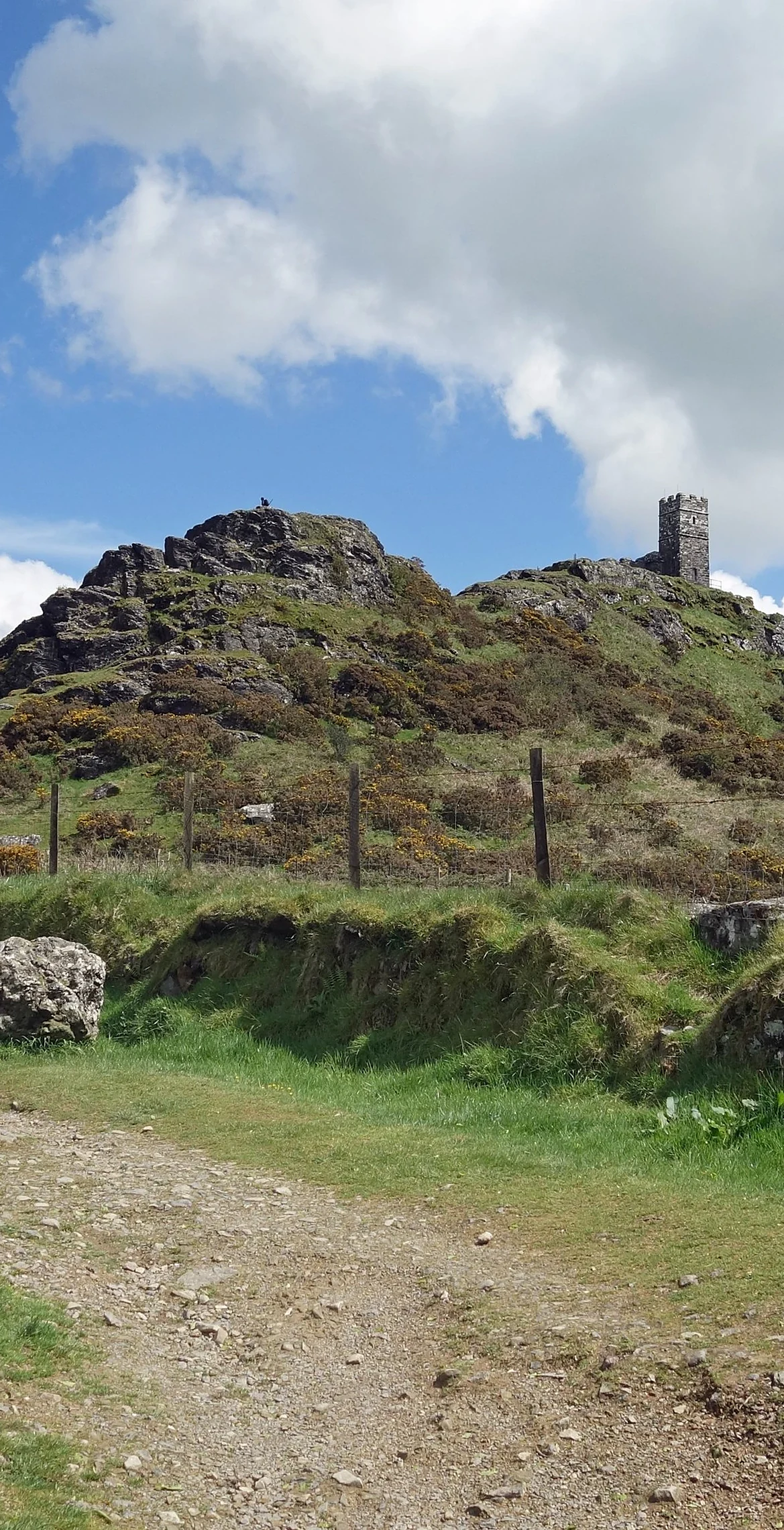
- Brent Tor is the odd one out: a volcanic hill on the western edge of the moor, topped by the little church of St Michael de Rupe.
How To Get Started
Every Sylvia has a walk from a car park, and many walks take in two or three tors at once. Good first ones include Haytor and Hound Tor on the eastern side of the moor, and Cox Tor and Pew Tor near Tavistock, all with short walks and big views.
- Track your progress. Our Sylvias MapPennants Map plots all 61 with a walk for each, and you can tick them off as you go.
- Check the firing times. Some Sylvias, including High Willhays and Yes Tor, lie inside military firing ranges on the north moor. Check the published firing times before you go and never enter a range when the red flags are flying.
- Take proper navigation. Dartmoor mist comes down fast and much of the high moor has no paths. Carry a map and compass and know how to use them.
- Watch your step. The moor has bogs, streams and loose rock. Good boots make a big difference.
- Leave it as you find it. Dartmoor is a National Park and a working landscape. Close gates, keep dogs under control near livestock and take your litter home.
Ready To Start Bagging?
The Sylvias will take you all over Dartmoor, from the famous tors by the road to the lonely tops in the middle of the north moor. Whether you aim to climb all 61 or just a few favourites, every one has its own character and its own story.
All 61 Sylvias on one map
Every tor with a pre-planned route to follow. Sign in and tick them off as you go.
Subscribe for updates on new hikes and National Parks
One email a month with new hikes and routes. No spam.