


Overview
The Wainwrights are the 214 Lake District fells that Alfred Wainwright wrote about in his seven-volume Pictorial Guide to the Lakeland Fells. If a fell has its own chapter in one of those books, it’s a Wainwright. Simple as that.
That makes the list a little different from most. It isn’t based on height or drop or any mathematical rule. It’s one man’s selection of the hills he thought worth climbing, and that’s exactly why people love it. The list takes you from England’s highest mountain, Scafell Pike, all the way down to little Castle Crag in Borrowdale, which at 290 metres is barely a hill at all but earns its place with a big view and a lot of character.

Ticking off all 214 is one of the great walking challenges in Britain. Some people do it over a lifetime, some over a few determined summers. Either way, it’s a guaranteed way to see every corner of the Lake District, not just the honeypots.
Who Was Alfred Wainwright?

Alfred Wainwright was born in Blackburn, Lancashire, in 1907, and grew up in a mill town far from the mountains. In 1930 he took a walking holiday in the Lakes with his cousin, climbed Orrest Head above Windermere, and saw the fells spread out in front of him for the first time. That view changed his life.
He moved to Kendal in 1941 to work in the Borough Treasurer’s office, eventually becoming Borough Treasurer himself, and spent every spare hour on the fells. On 9 November 1952 he started the first page of what would become his life’s work: a guide to every fell worth climbing in the Lake District.
He worked on them most evenings for thirteen years, finishing the seventh and final book in 1966. Many more guides followed, most famously A Coast to Coast Walk in 1973. He died in 1991, aged 84, and his ashes were scattered by Innominate Tarn on Haystacks, the fell he loved most.
If you want the full story, Hunter Davies’s Wainwright: The Biography is brilliant, and the audiobook is a perfect listen on the drive up to the Lakes. Listen on Audible
The Seven Books
Wainwright split the Lake District into seven areas and gave each one its own book. The fells in each book are the “Wainwrights” for that area, and many walkers work through the list one book at a time.
The Far Eastern Fells, around High Street and Haweswater, has the most with 36. The Northern Fells, the quiet hills behind Skiddaw and Blencathra, has the fewest with 24, and some of the loneliest walking in the National Park.
If you’re going to bag them, the books are the best companion you can carry. All seven come together in one box set, still printed from Wainwright’s hand-drawn pages. Get the box set
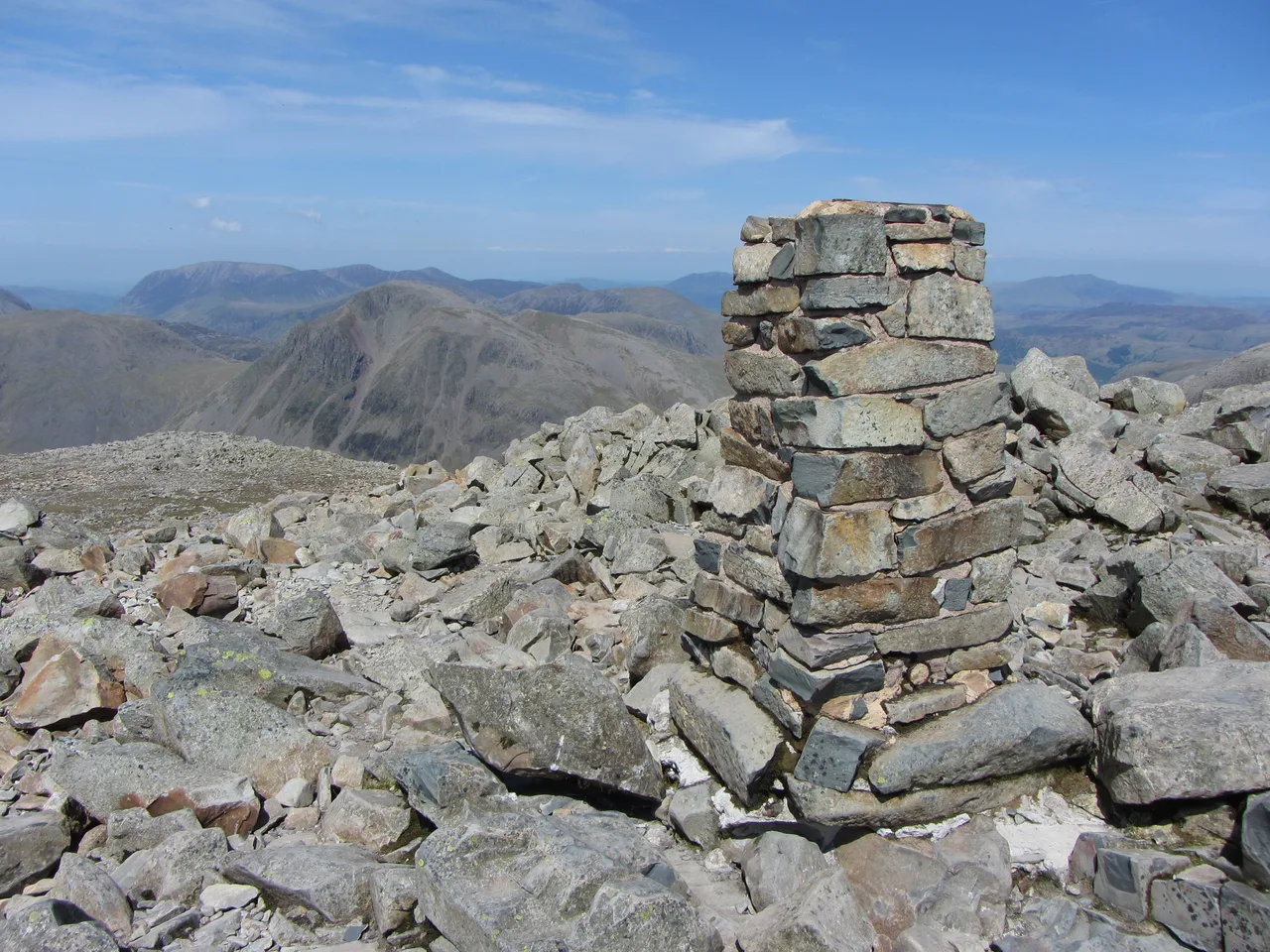
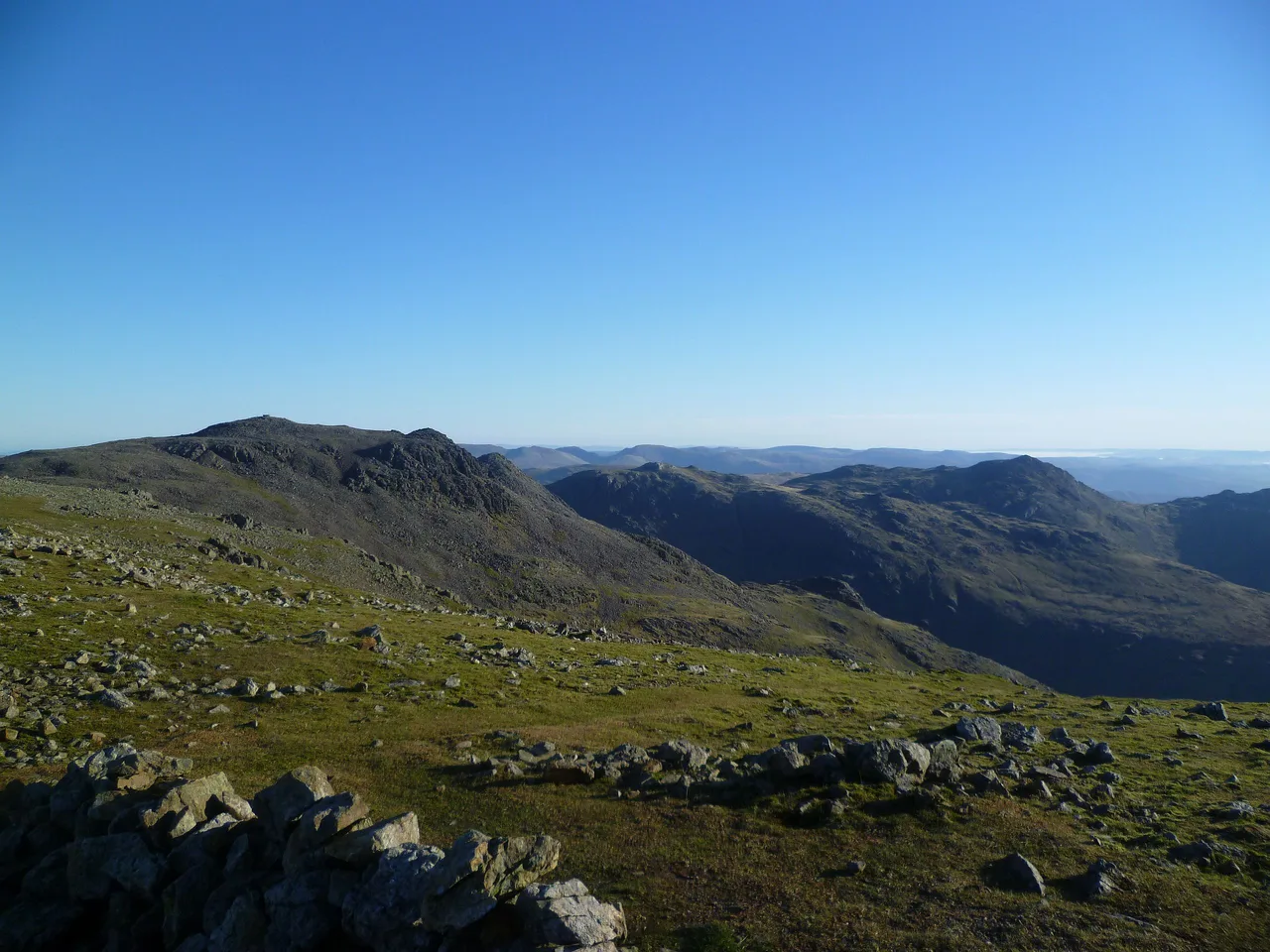
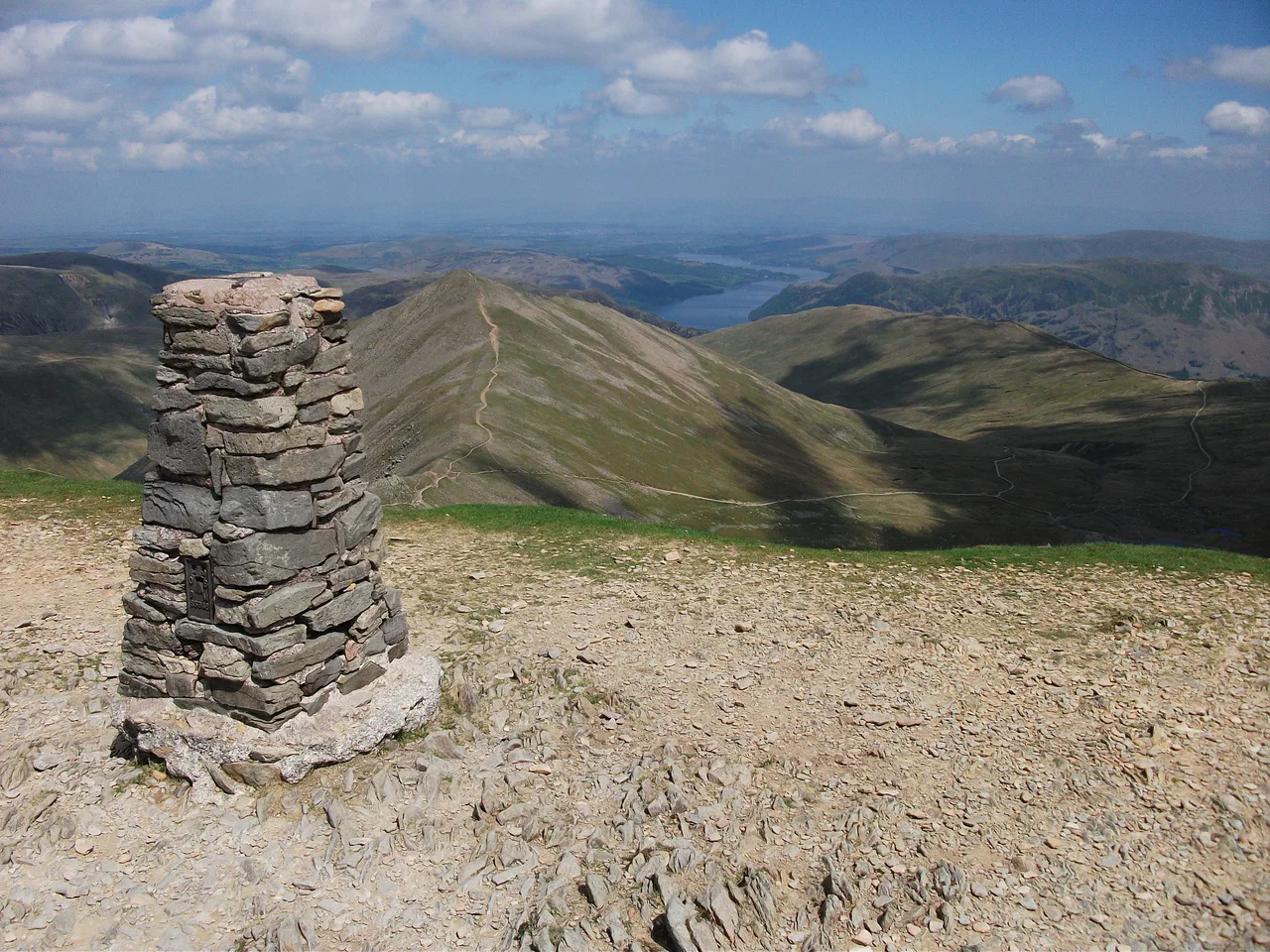
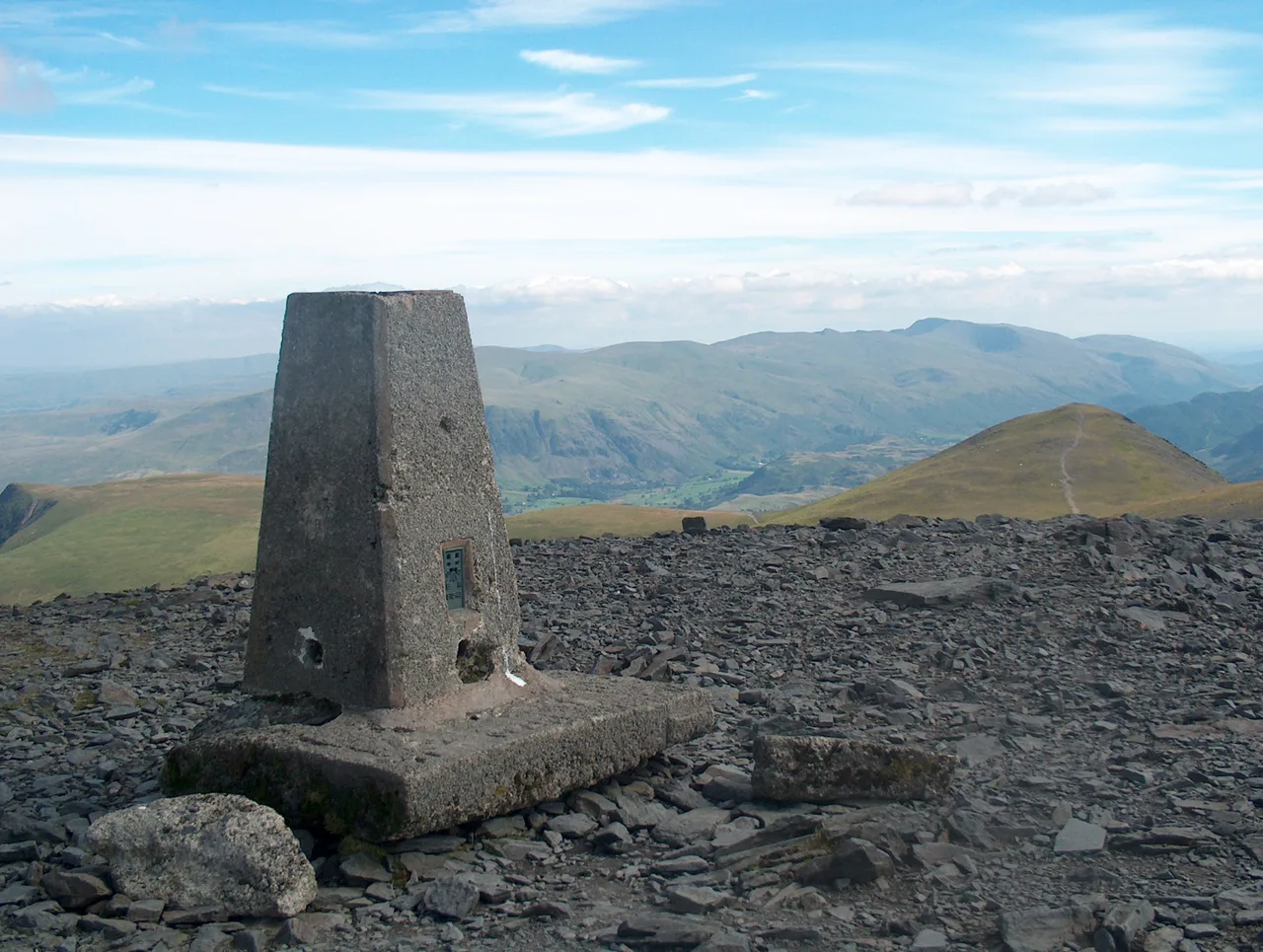
The Highest Wainwrights
How To Get Started
There’s no right order to do the Wainwrights in. Pick the fells that suit the day and the weather, and enjoy the slow climb of your tally.
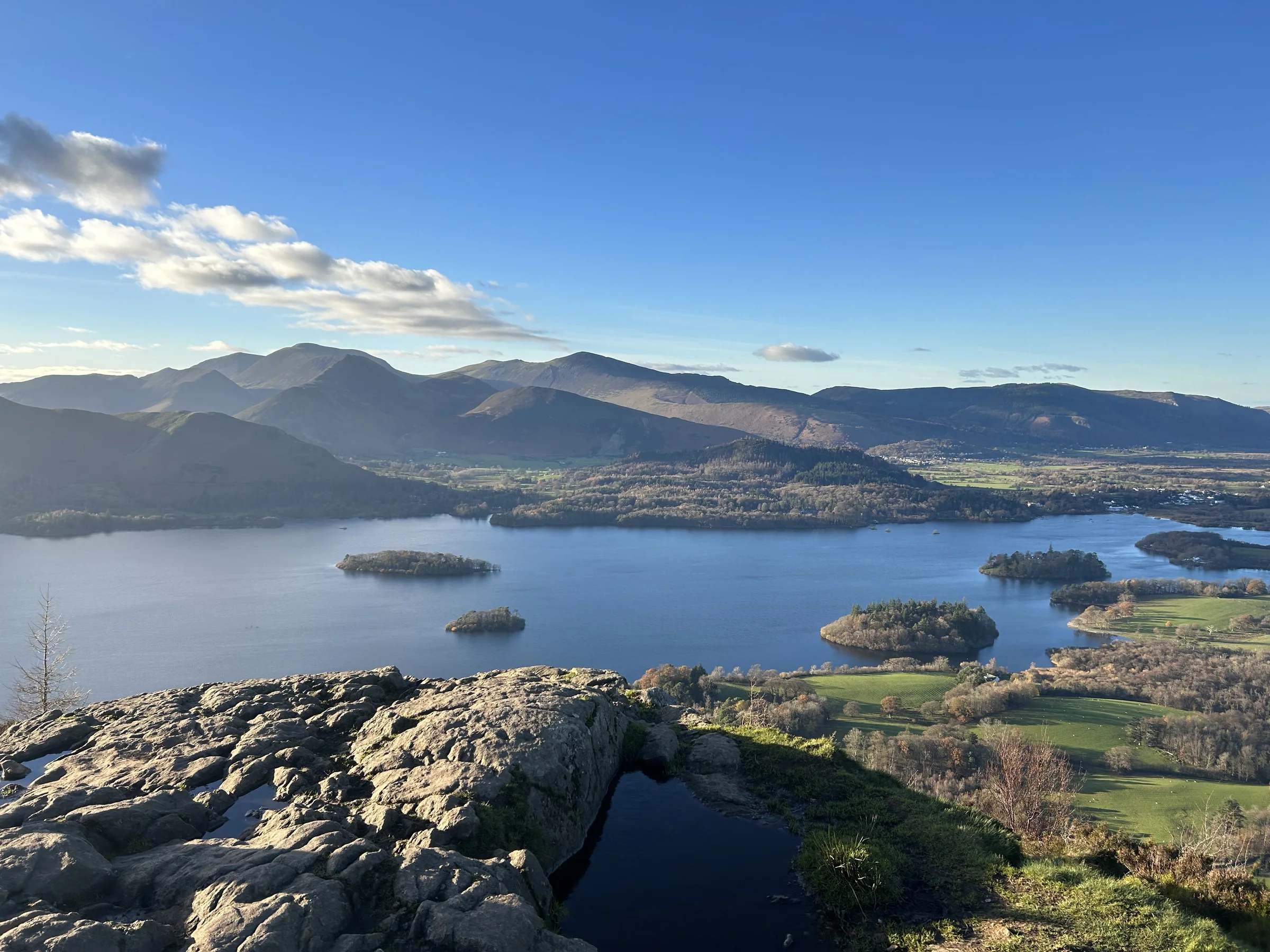
If you’re new to the list, a few classic first ticks are Catbells above Derwentwater, a short, fun climb with a view out of all proportion to its height; Haystacks, Wainwright’s own favourite, with its tarns and rocky knolls; and Castle Crag, the smallest Wainwright of all, tucked into the jaws of Borrowdale.

- Track your progress. Our Wainwrights Map plots all 214 fells with a route for each, and you can tick them off as you go.
- Link fells together. Many Wainwrights sit on the same ridges, so a good round can bag four or five in a day.
- Respect the weather. The Lake District is one of the wettest places in England and conditions change fast on the high fells. Check the mountain forecast before you go.
- Take proper navigation. Carry a map and compass and know how to use them. A phone app is a great help but should never be your only plan.
- Join the club. When you finish, the Wainwright Society keeps a register of people who have climbed all 214.
Ready To Start Bagging?
The Wainwrights are a love letter to the Lake District, written by a man who spent his life on these hills. Work through them and you’ll see the best valleys, ridges and tarns the National Park has to offer, one fell at a time.
All 214 Wainwrights on one map
Every fell with a pre-planned route to follow. Sign in and tick them off as you go.
Subscribe for updates on new hikes and National Parks
One email a month with new hikes and routes. No spam.