



Contents
Overview
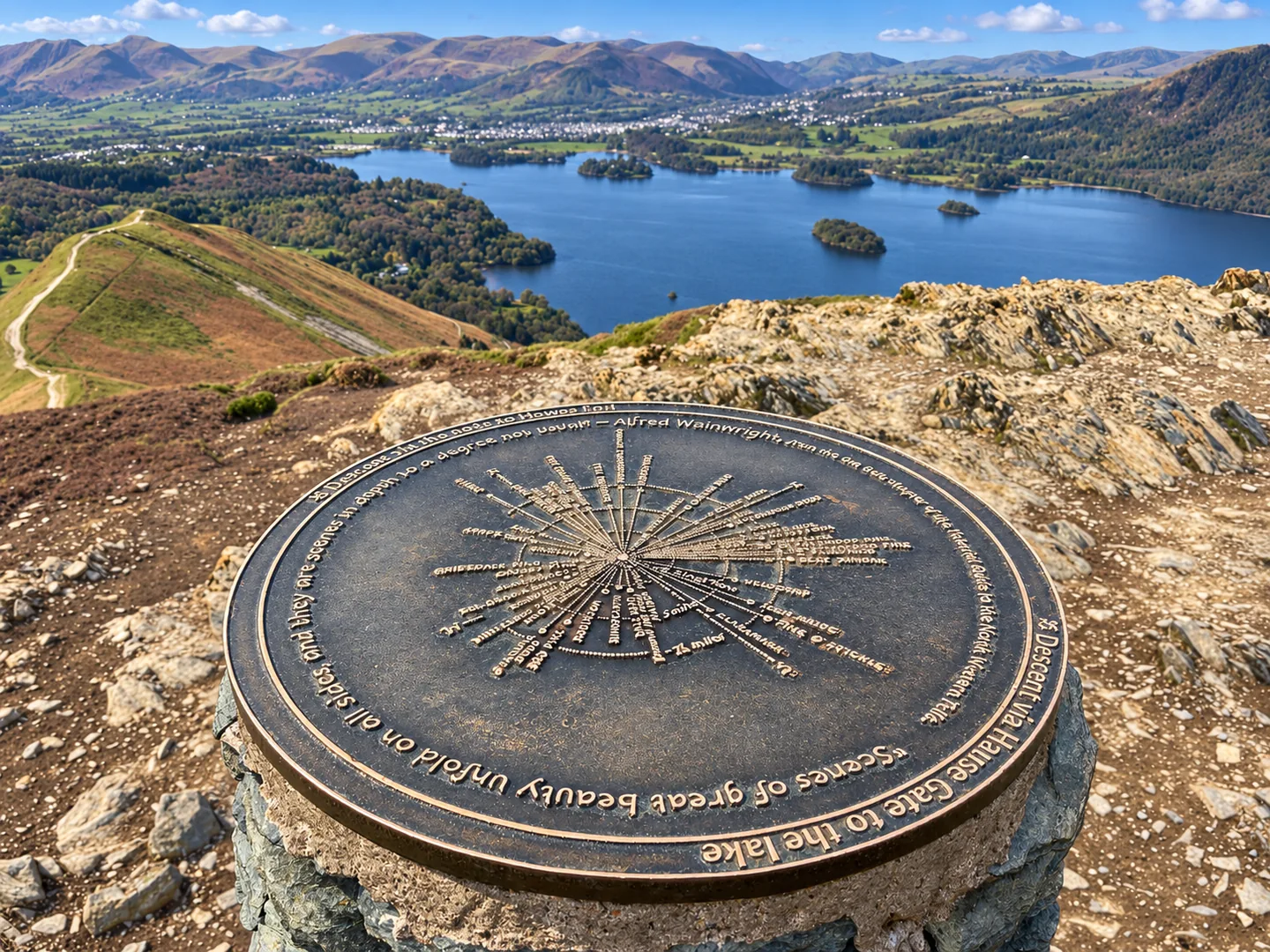
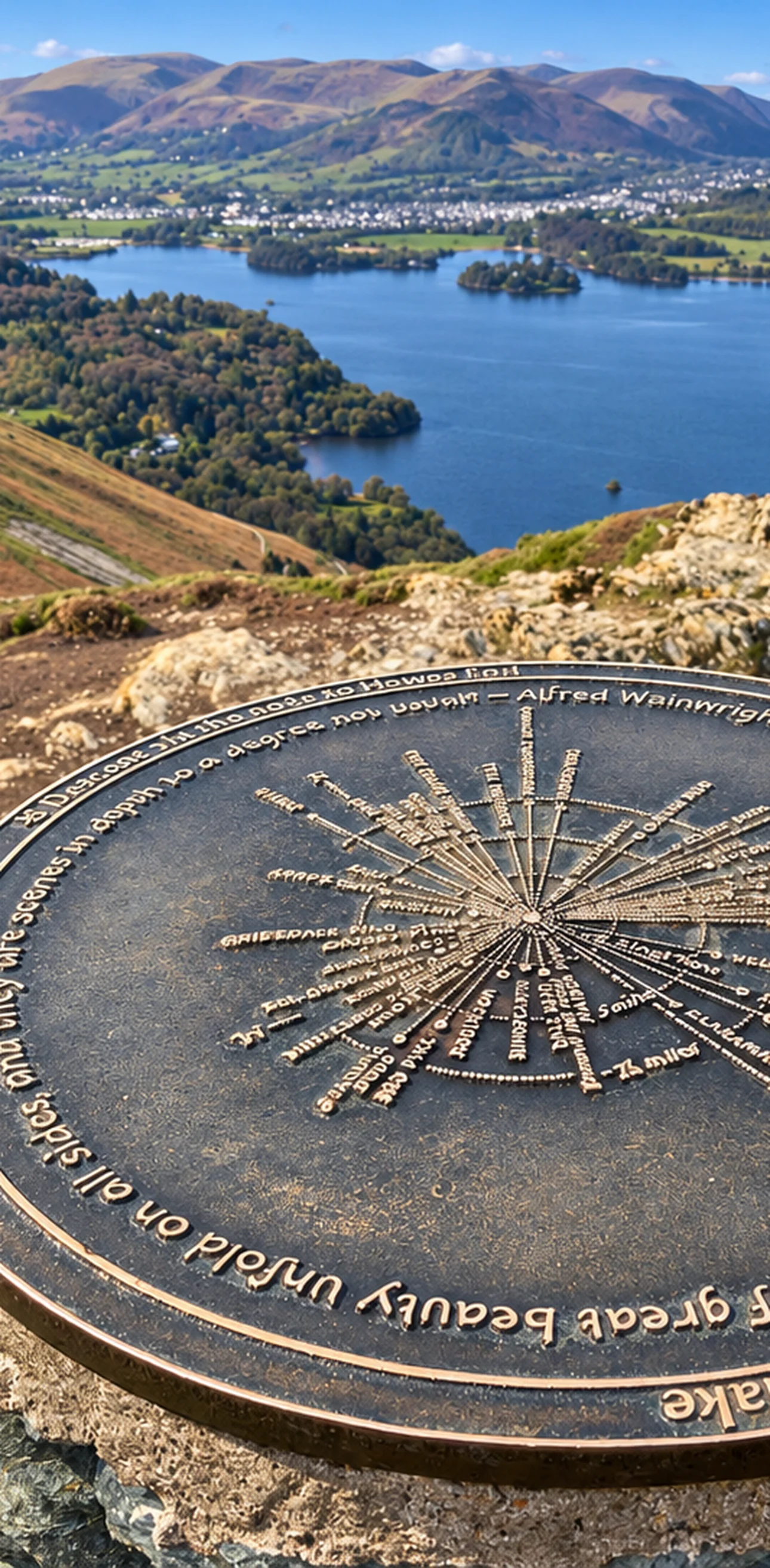
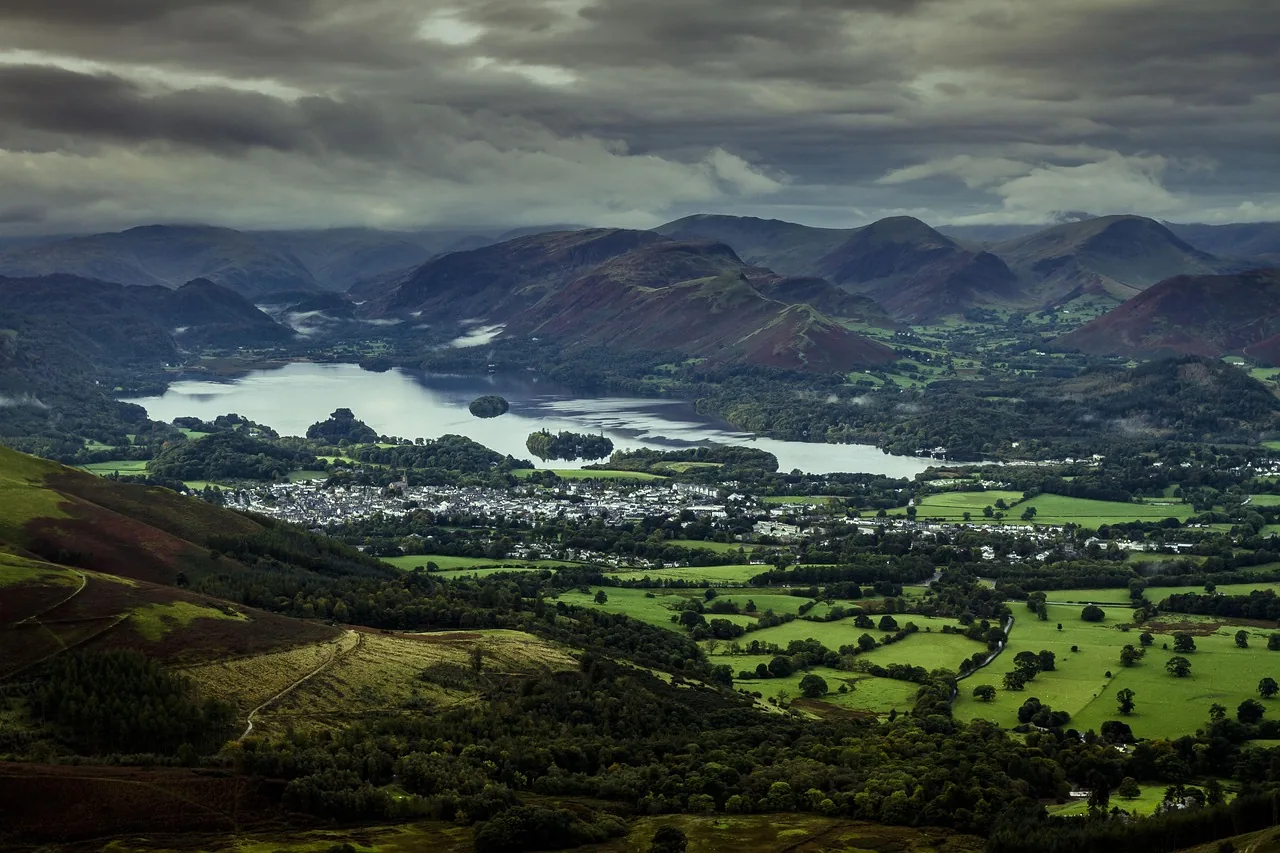
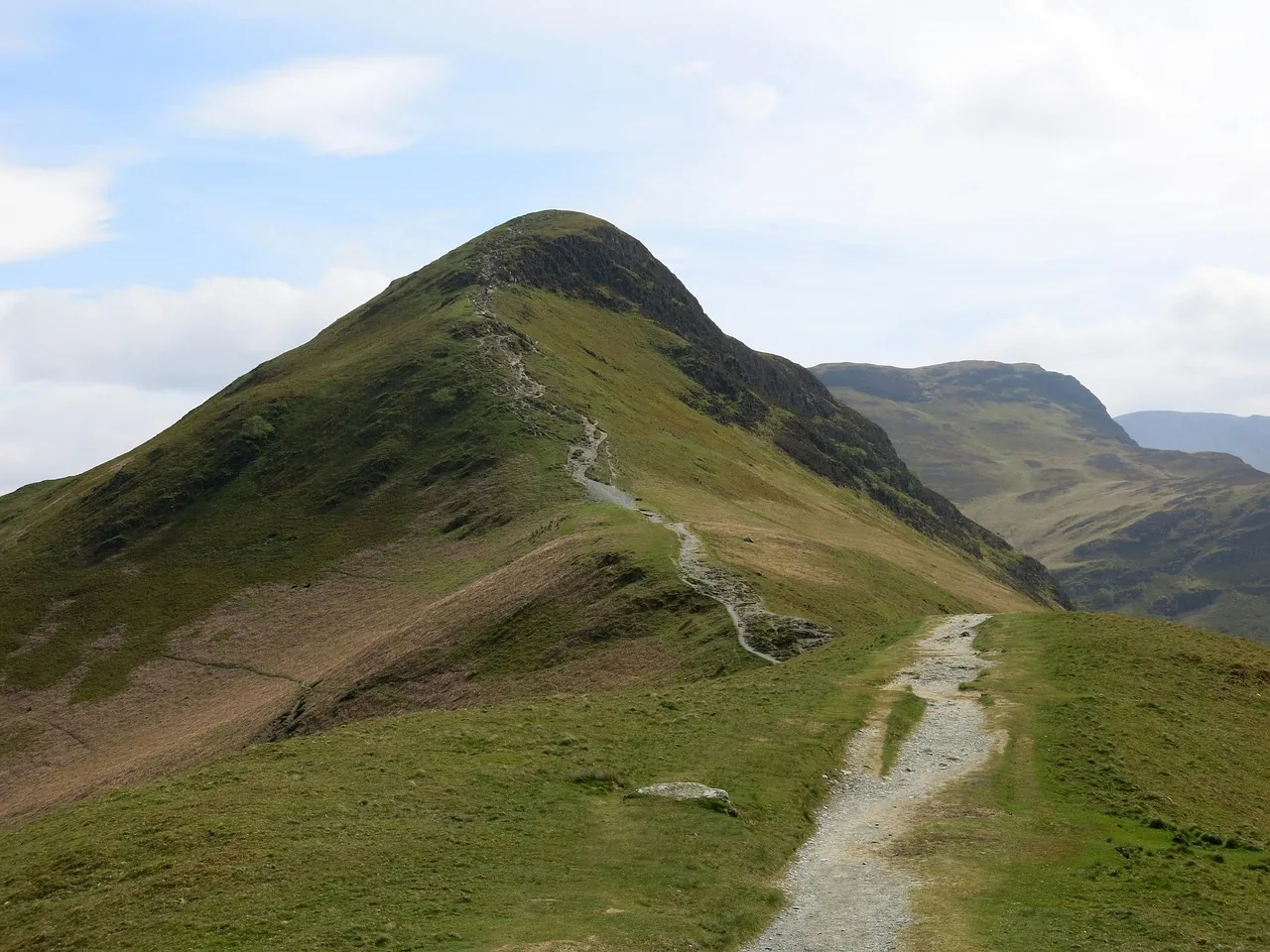
Rising straight out of the western shore of Derwentwater, Catbells is probably the best loved fell in the Lake District. At 451m it's a baby next to its neighbours, but its shapely ridge and the views from it punch well above its height. Alfred Wainwright called it "a family fell where grandmothers and infants can climb the heights together", and on a sunny weekend you'll see exactly that.
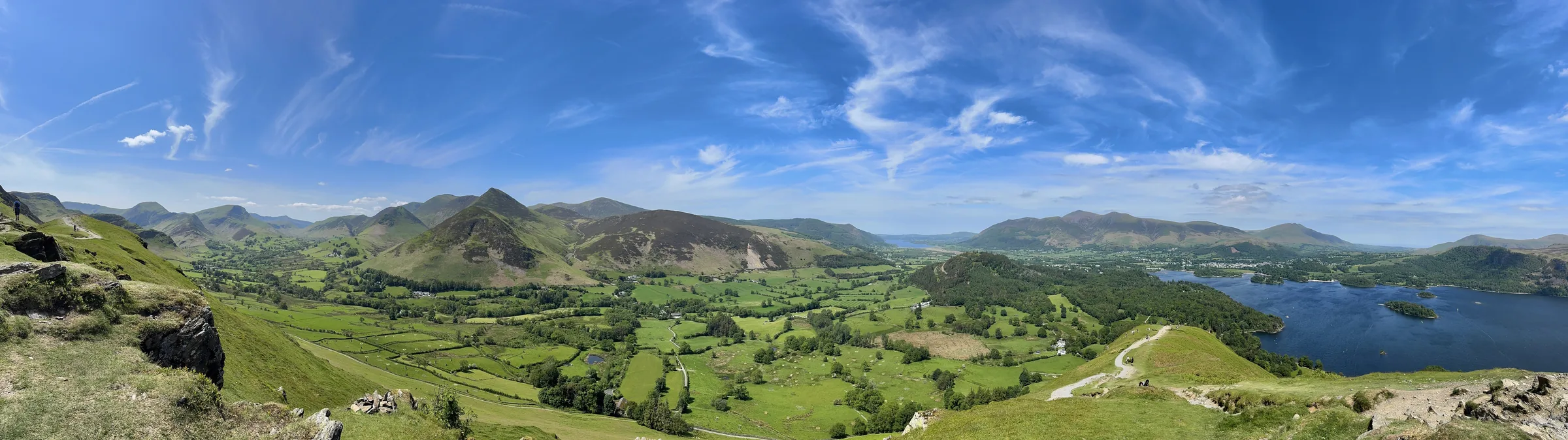
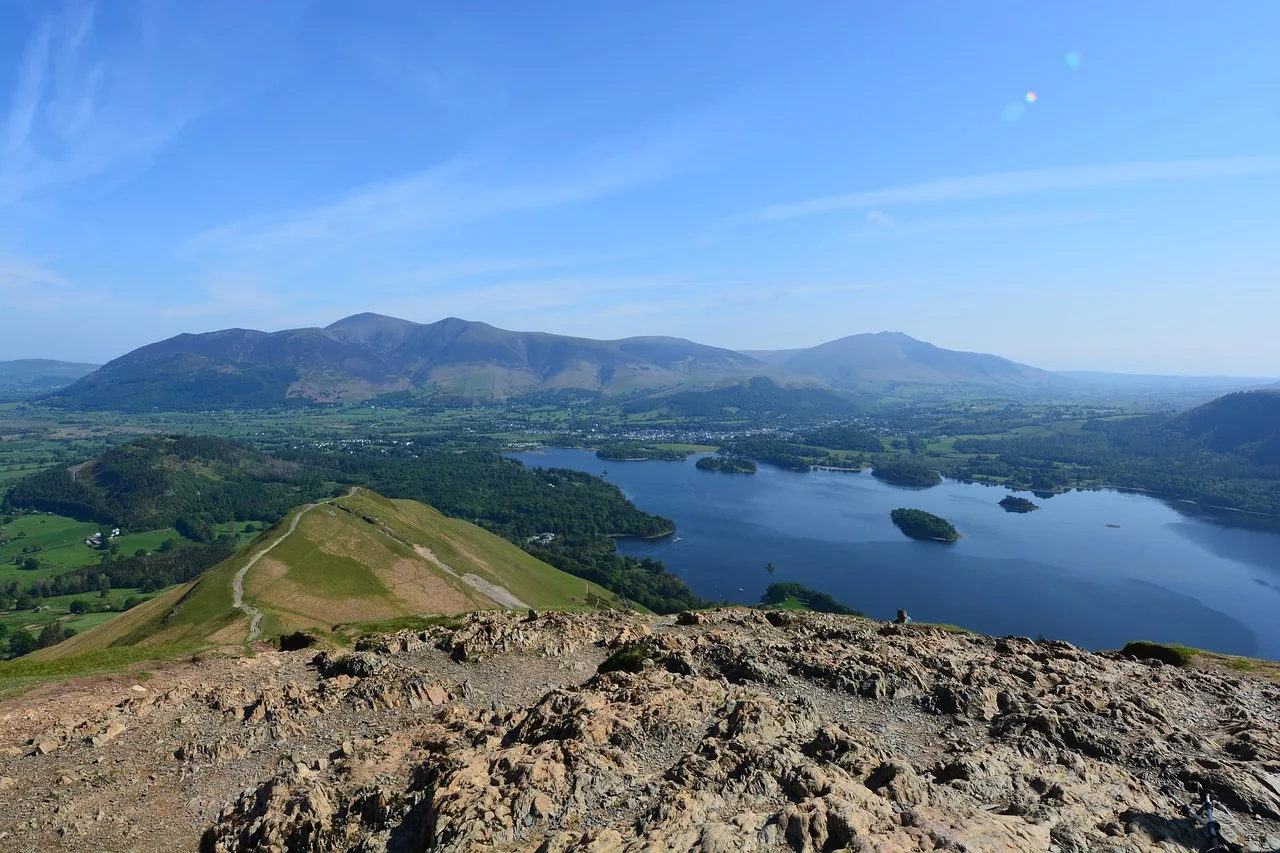
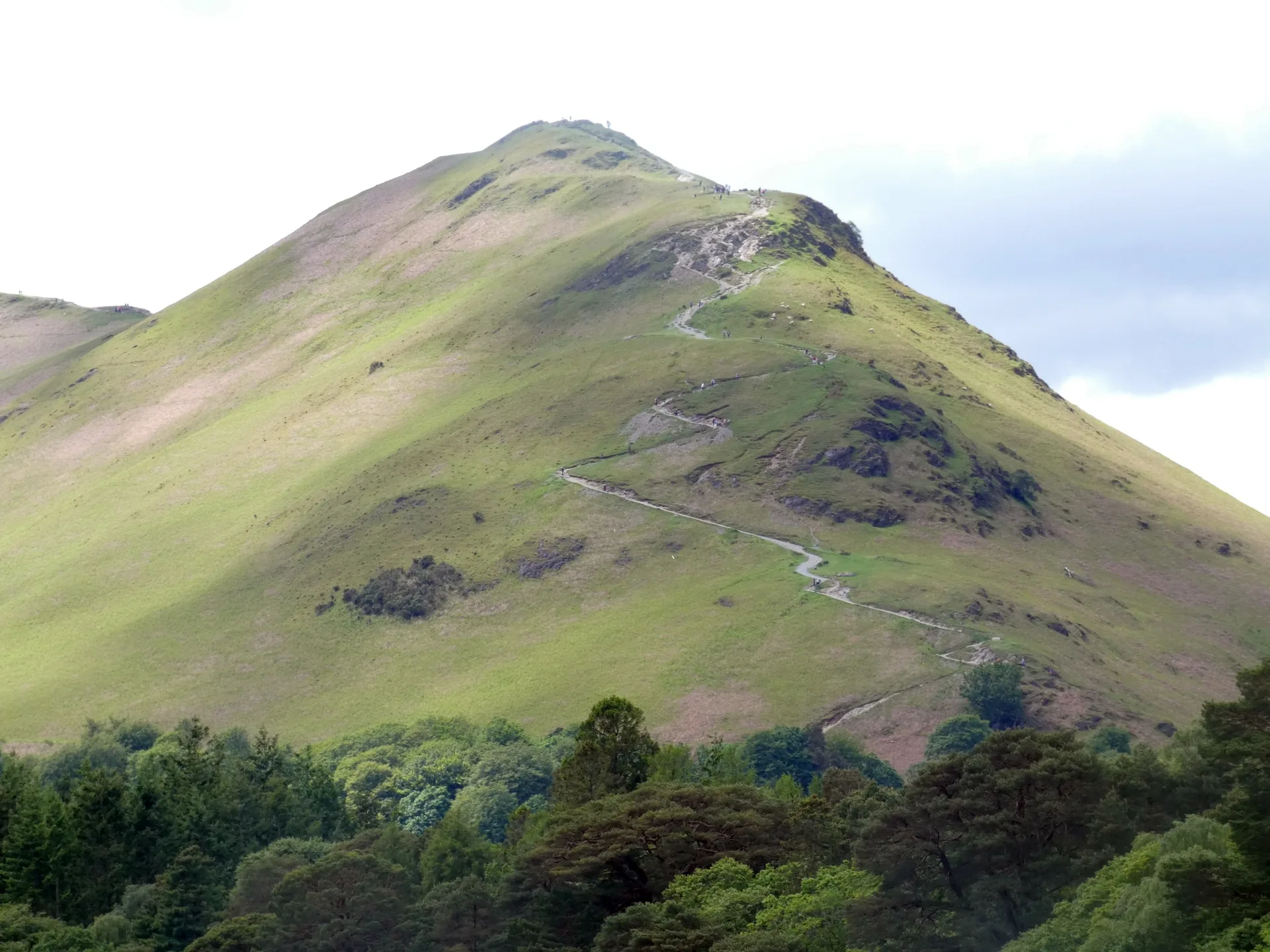
This is the classic circular from Hawes End. You climb the steep north ridge over the little top of Skelgill Bank, with Derwentwater, Keswick and Skiddaw opening up behind you, then scramble over a short rocky step to the summit. From there you drop to the saddle at Hause Gate, head down towards the lake and finish along the old terrace path below the fell, with the water beside you most of the way back. It's short, but it's steep in places and the rock near the top is polished by thousands of boots, so take your time. This walk takes in one Wainwright: Catbells. Find all 214 on our Wainwrights map.
Go prepared, stay safe,
and enjoy the hike!
Key Info
Crowds
Very High
Catbells is one of the busiest fells in the Lake District, especially in spring and summer. The ridge can feel like a queue even early in the day, and the tiny parking areas fill fast. Go early, go late, or leave the car behind and it is a different walk.
When it gets busy
- Spring and summer, school holidays and bank holidays
- Fine weekends, when a good forecast brings people in
- The summit, which gets fairly busy in peak season
- The small roadside parking at the start, which fills early
For a quieter walk
- Start very early in the morning for the best chance of a quiet summit
- Go late in the day, especially out of season, when popular fells can be almost empty
- Visit midweek or outside the school holidays
- Take the Keswick Launch to Hawes End, the Honister Rambler bus, or walk from Keswick, so parking is not a problem
- Try the Little Town car park on the Newlands side, which is quieter
- Stop for your break further along the ridge rather than on the busy summit
Our crowd rating is for a typical sunny weekend in spring or summer, in the middle of the day. Timing makes a big difference, so even a busy walk can be quiet early, late or midweek.
The Route
Disclaimer: Route information and GPX files are provided for general guidance only. Conditions can change, so always use your own judgement and navigate responsibly. See our Terms of Use & Disclaimer for more information.
Route Guide
- 1
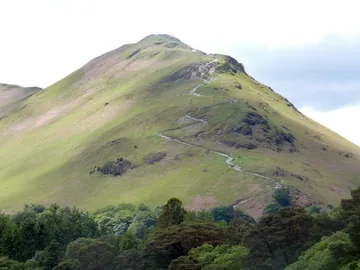
Up the north ridge0.8 mi · 240m upWalk a short way east from the car park, then take the path that climbs round onto the north ridge and up its steep zigzags. Keep climbing south along the ridge over the little top of Skelgill Bank, with Derwentwater, Keswick and Skiddaw opening up behind you.
- 2
Rocky step to the summit0.3 mi · 100m upCarry on along the ridge to the final steep, rocky section below the top. It's a short clamber on rock where you may need your hands, and the summit is a bare rock platform with views in every direction.
- 3
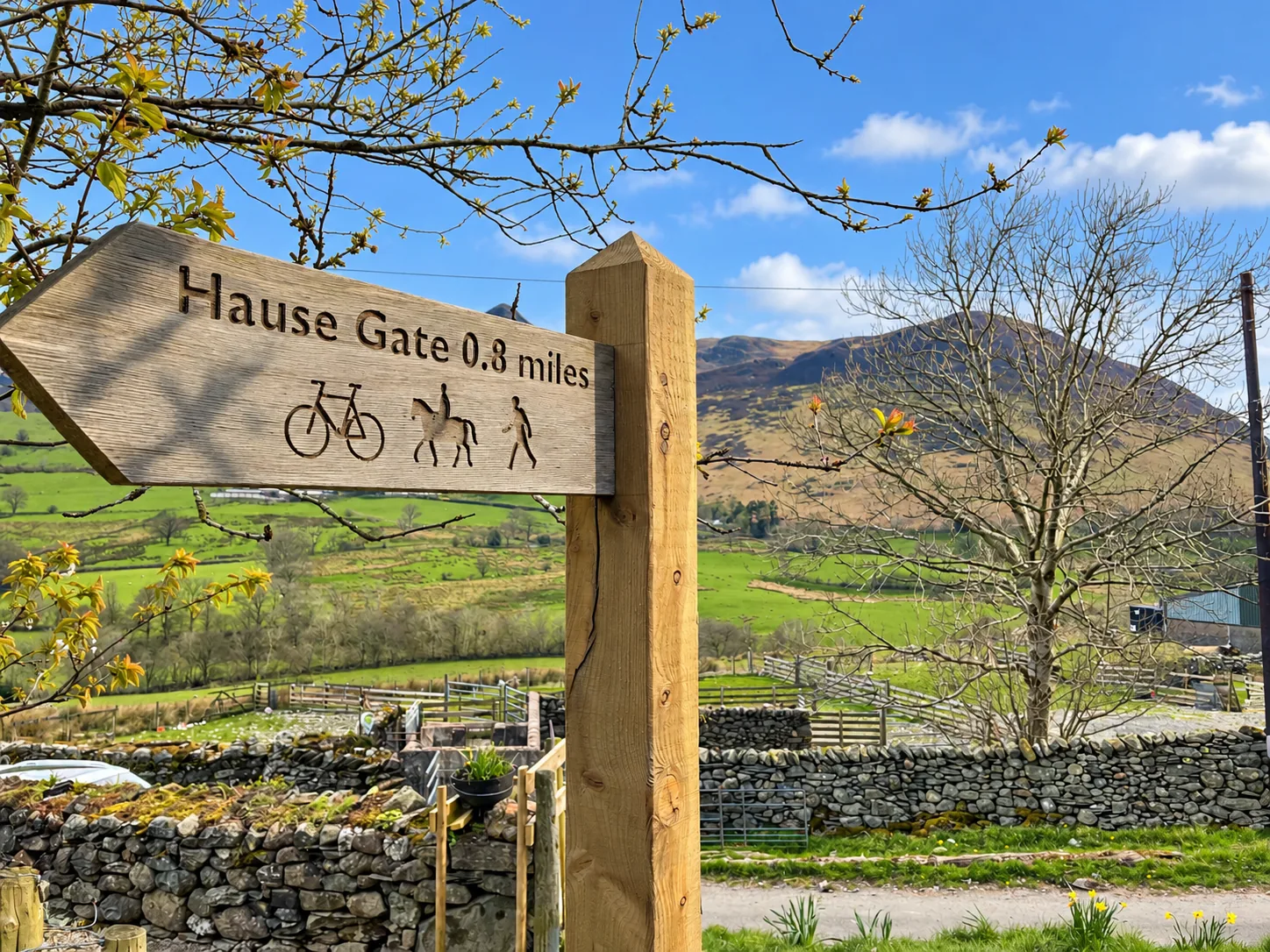
Down to Hause Gate0.4 mi · 90m downContinue south over the top and down the ridge to Hause Gate, the saddle between Catbells and Maiden Moor, where several paths meet.
- 4
Steps down towards the lake0.4 mi · 180m downTurn left at Hause Gate, not right into the Newlands valley, and drop south-east down the zigzagging stepped path towards Derwentwater. Near the bottom, turn sharp left onto the terrace path that runs along the foot of the fell.
- 5
Terrace path back1.7 mi · 50m up · 120m downFollow the terrace path north below the fell, with views over the lake to your right. It crosses the road once, then joins the road for the last stretch. Near the foot of the north ridge, turn left off the road and retrace your outward path to the car park.
Use the route on OS Maps, AllTrails or Komoot to navigate on the day; this guide is for planning.
Parking
Parking is the hardest part of this walk. The start is the small free parking area at Gutherscale (CA12 5UE, but the postcode covers a wide area, so use the map directions above), with room for only about eight cars. It's usually full before 9AM at weekends and in the school holidays, so get there early or use one of the options below. The lane in is narrow with few passing places, so please don't park on the verges or in passing places; cars that do regularly block farm and emergency vehicles.
The easiest stress-free option in summer is to park in Keswick and take the Keswick Launch across the lake to Hawes End jetty, about 10 minutes away by boat and a short walk from the start. A single is around £6.95 for adults and £3.50 for children, dogs are welcome, and boats run roughly hourly from mid-March to early November, with an early Walkers' Special at 9:45AM. The 77/77A Honister Rambler bus also stops at Hawes End (late March to early November) from Keswick bus station.
*Prices and timetables correct at time of writing; check before you travel.
Alternative Parking
Facilities & Hospitality
About a mile from the start along the lane, this traditional Lakeland inn serves food every day from 12PM (finishing times vary by day, so check before you go), has rooms, and welcomes dogs. The beer garden has great views of the fells.
About 15 minutes' walk from Hawes End towards Portinscale, this café sits beside the walled garden at the Lingholm estate, said to have inspired Mr McGregor's garden in Beatrix Potter's stories. A great spot for lunch or cake after the walk.
Weather
Hike Videos
Note: Videos are made by other walkers, not The Lost Peak. They may not follow this exact route, and paths, conditions and facilities may have changed since filming.
Photo Gallery
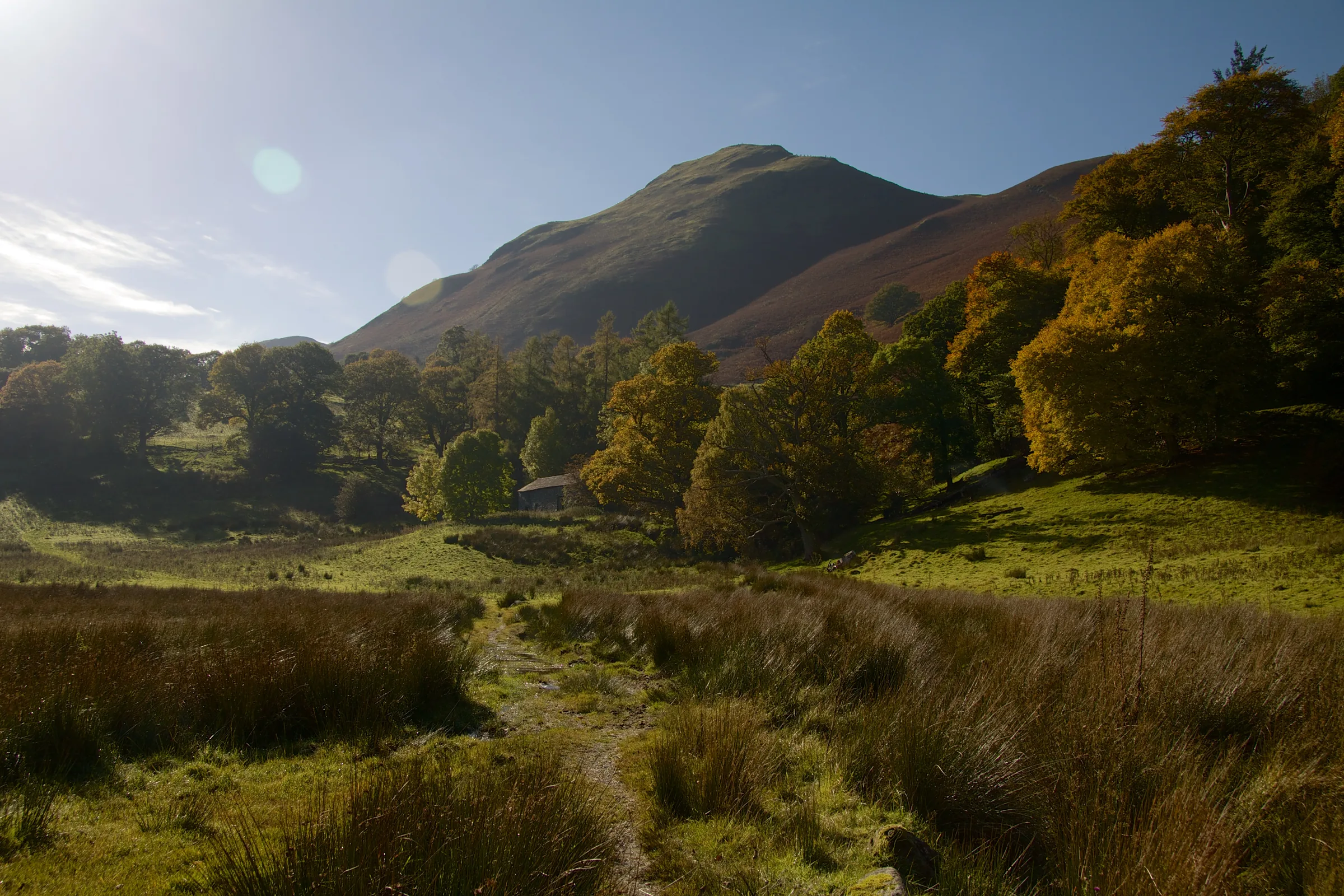
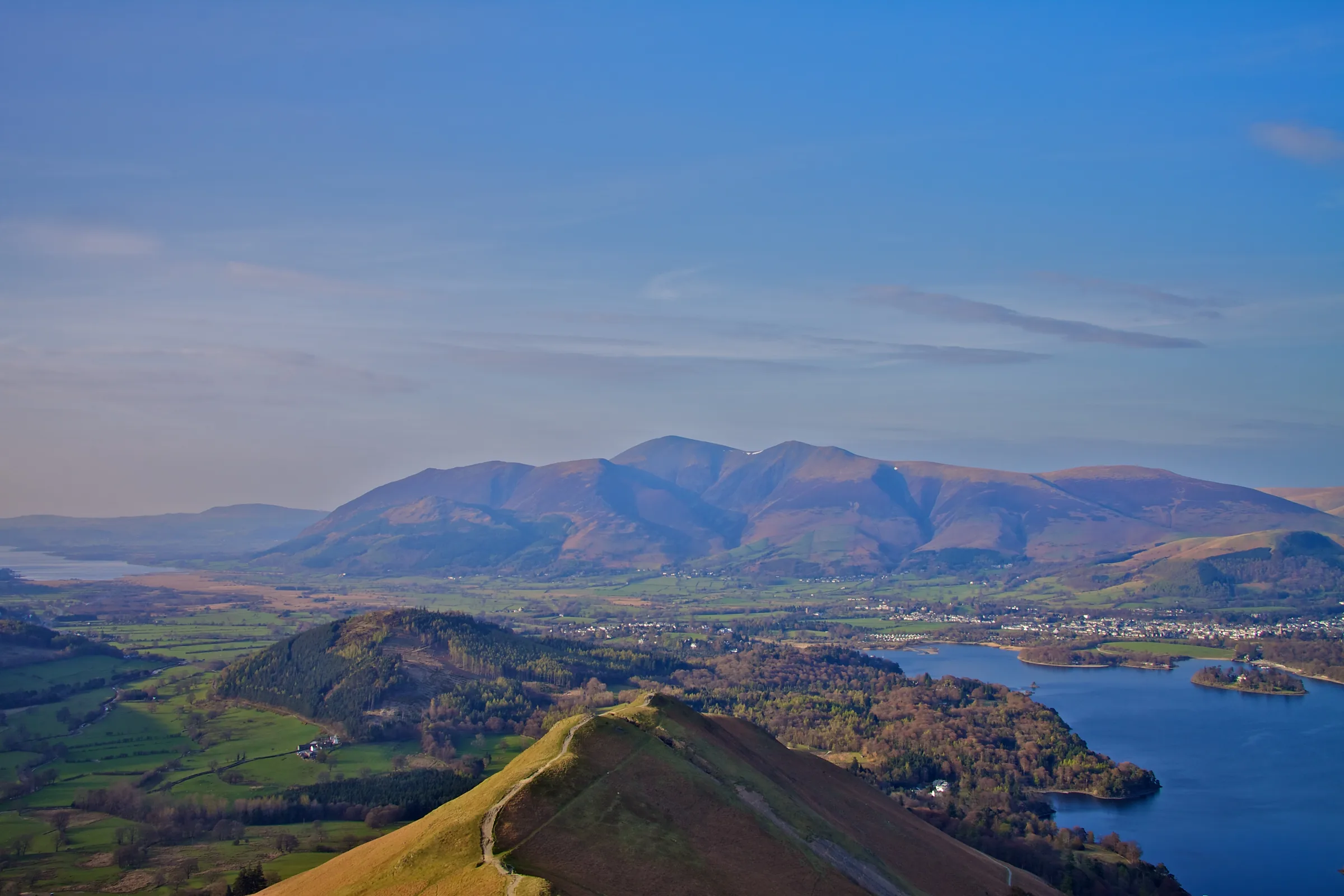
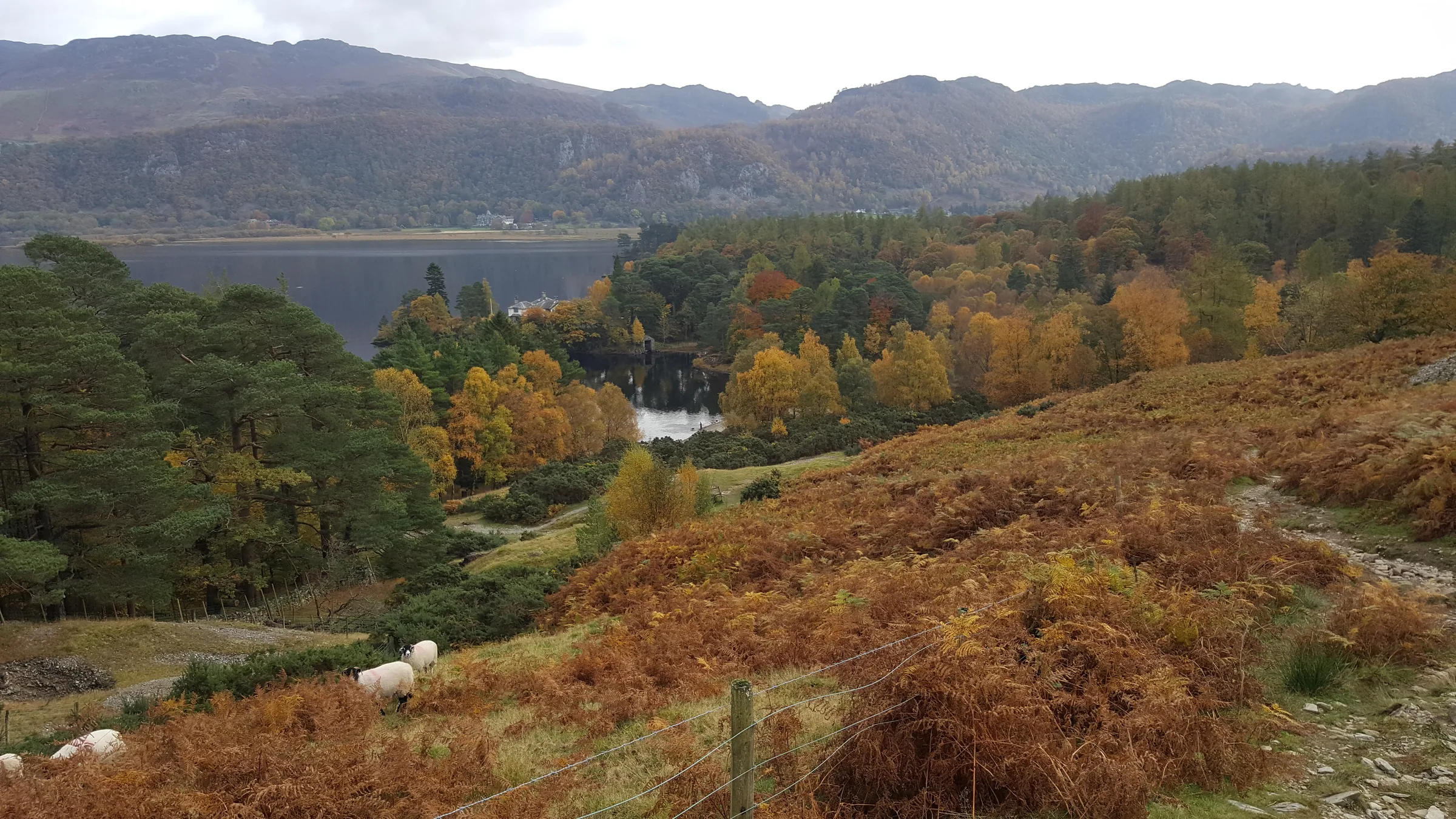
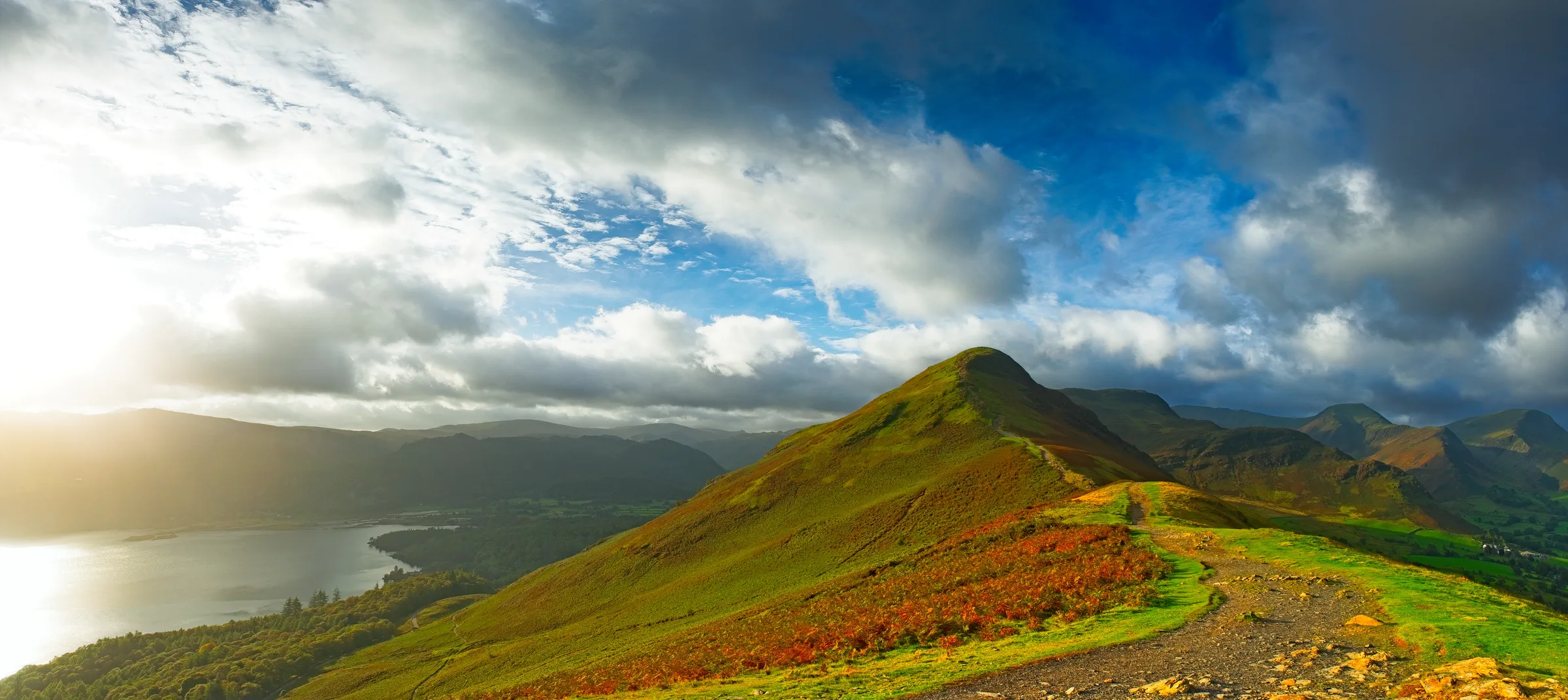
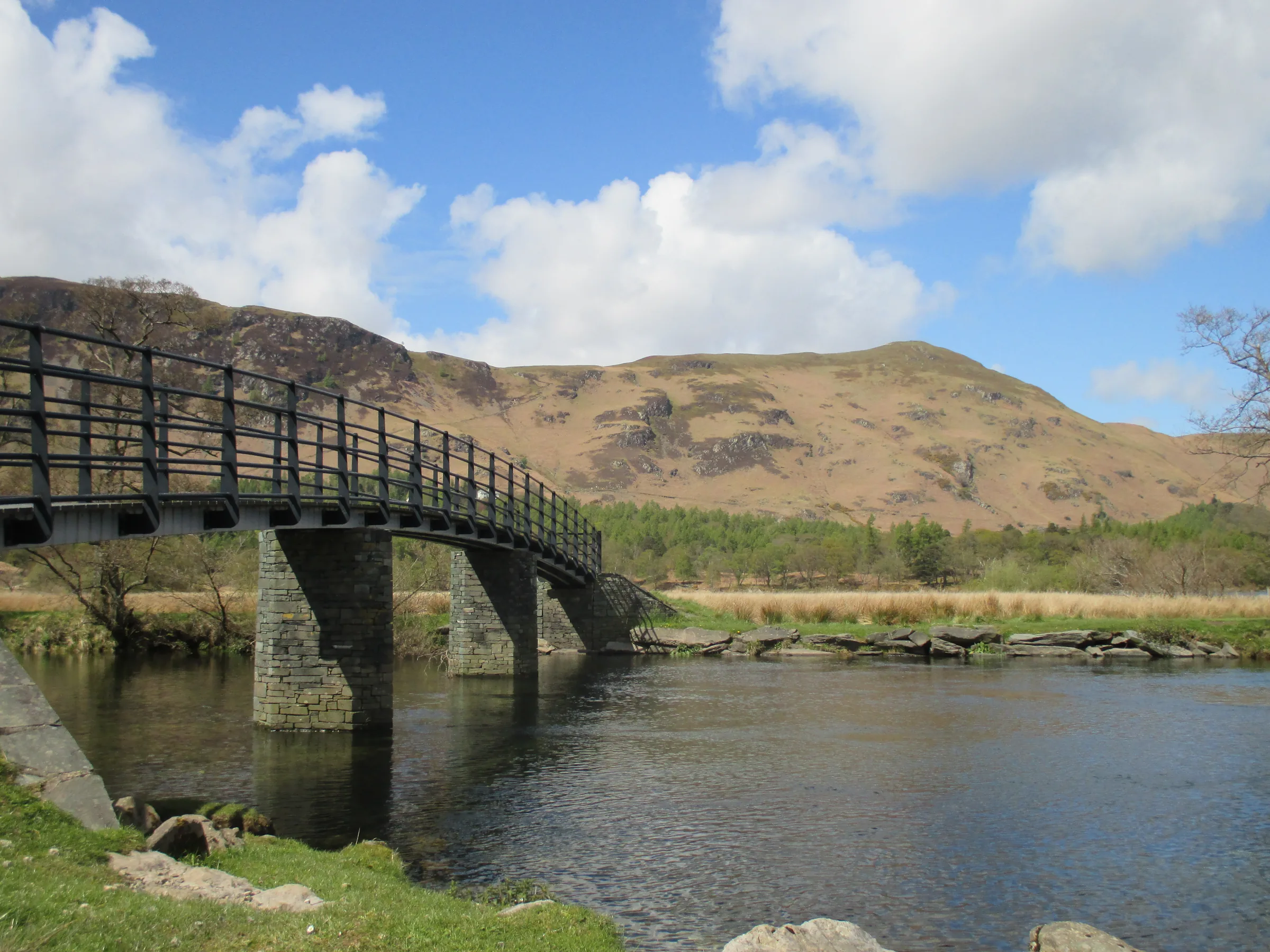
Photos
Photo credits
Photos without a credit are our own. These are used under Creative Commons licences; thank you to the photographers.
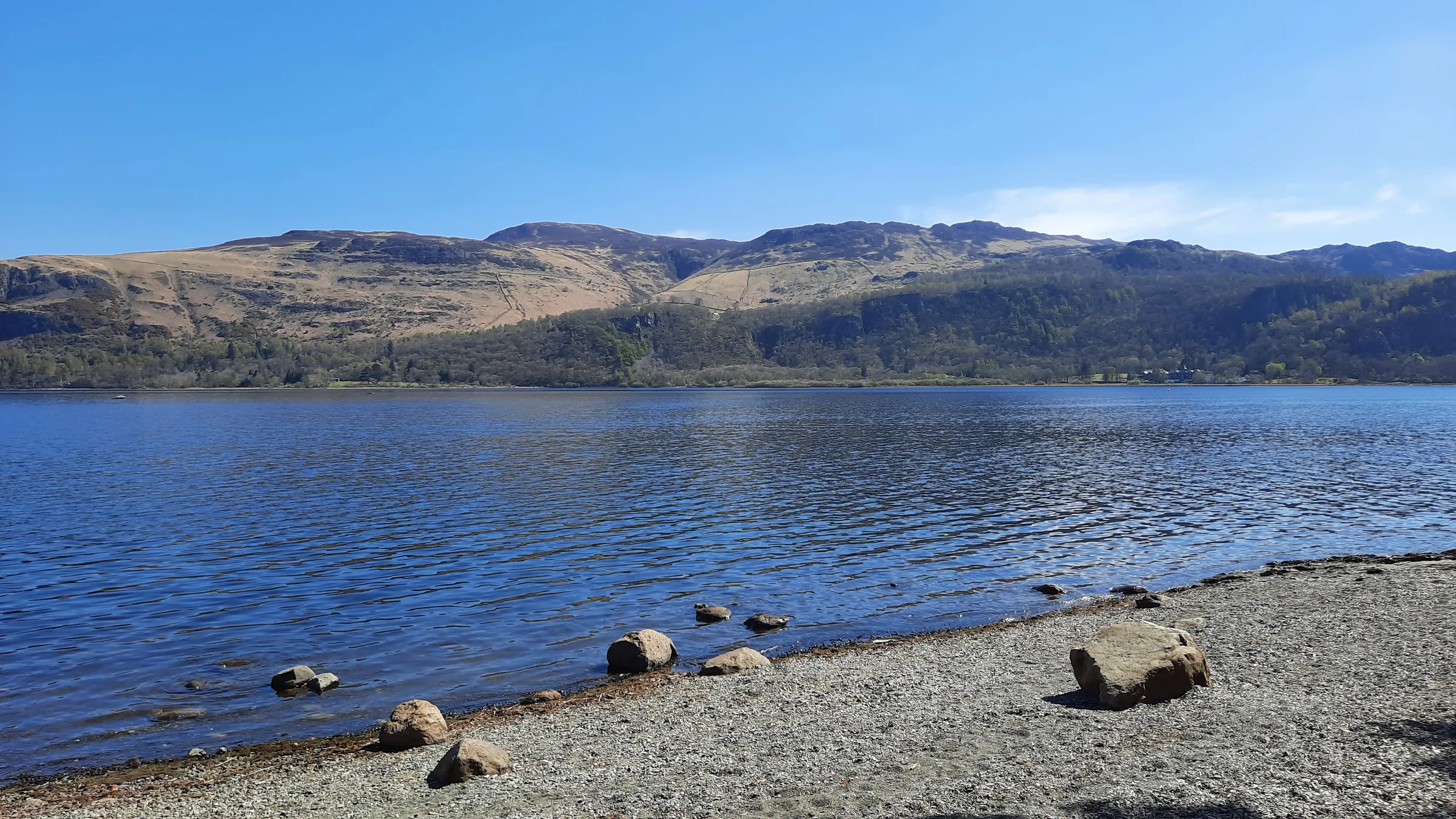
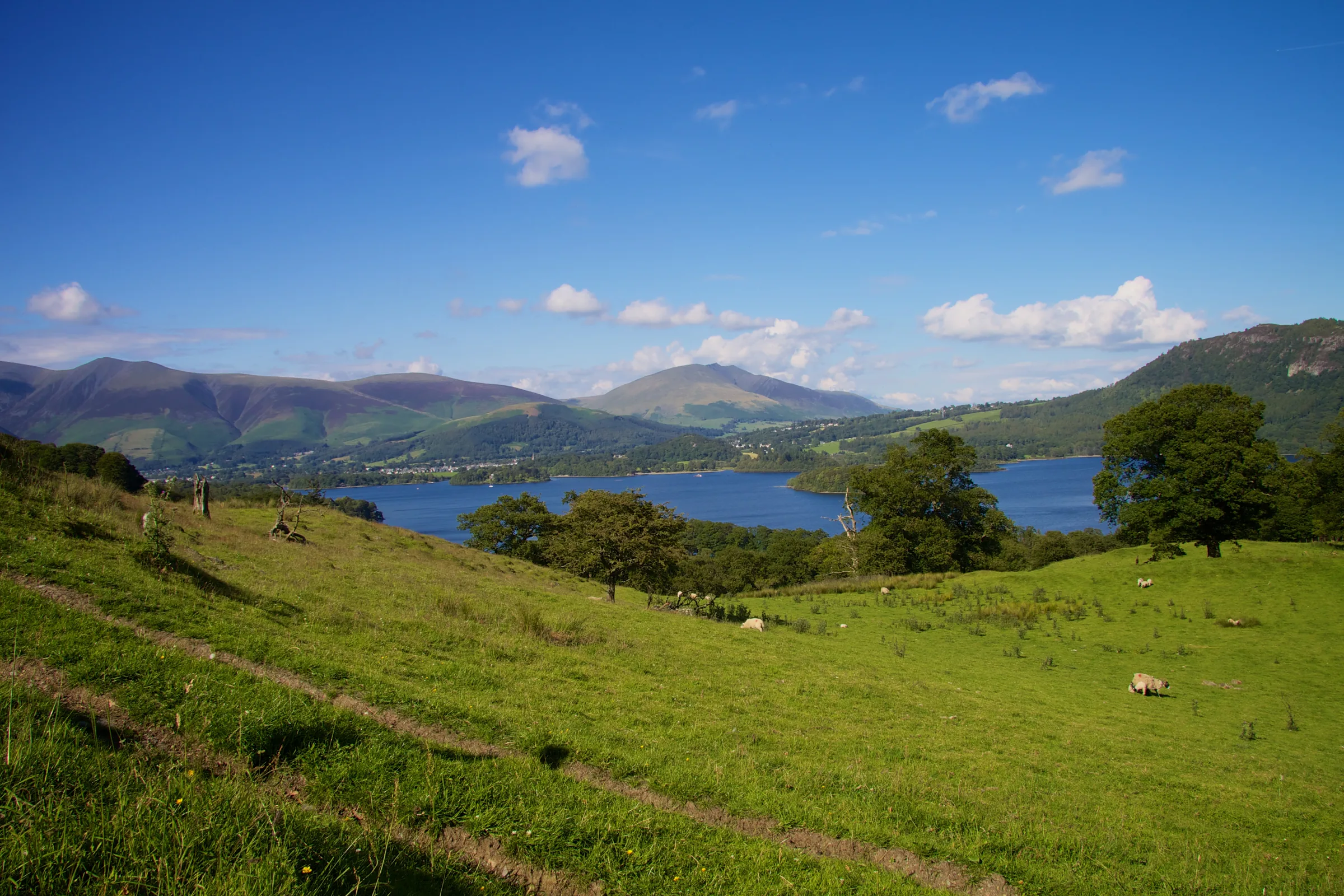
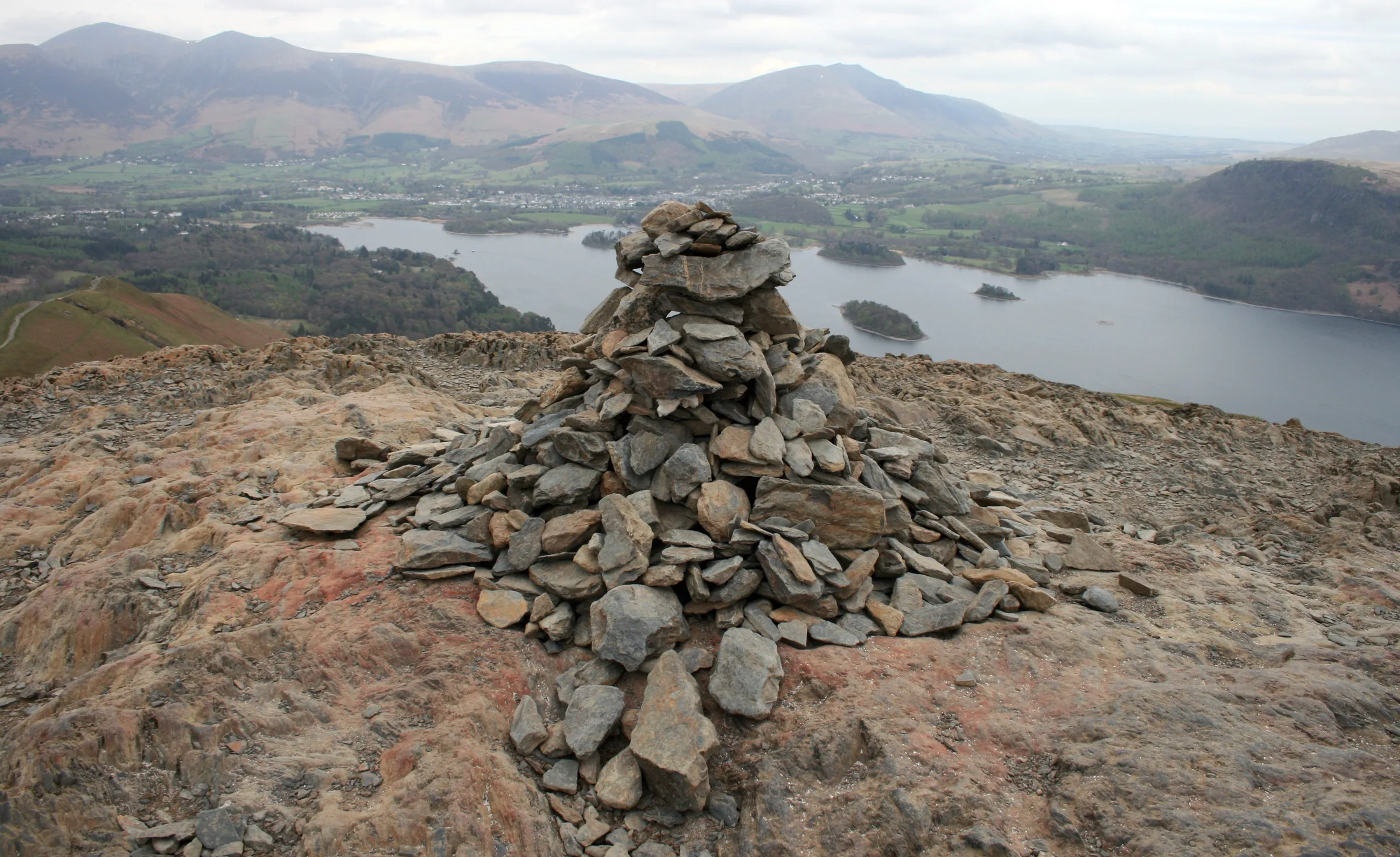
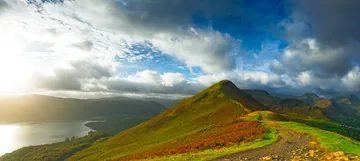
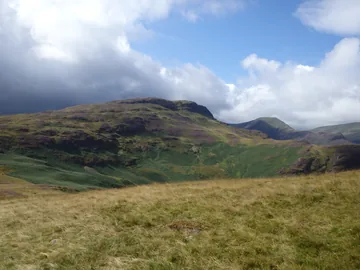
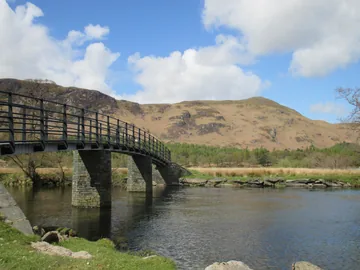
 Derwent Water seen from Brandlehow Landing Stageby Clive Nicholson, Wikimedia Commons (Geograph)Original photoCC BY-SA 2.0 licence
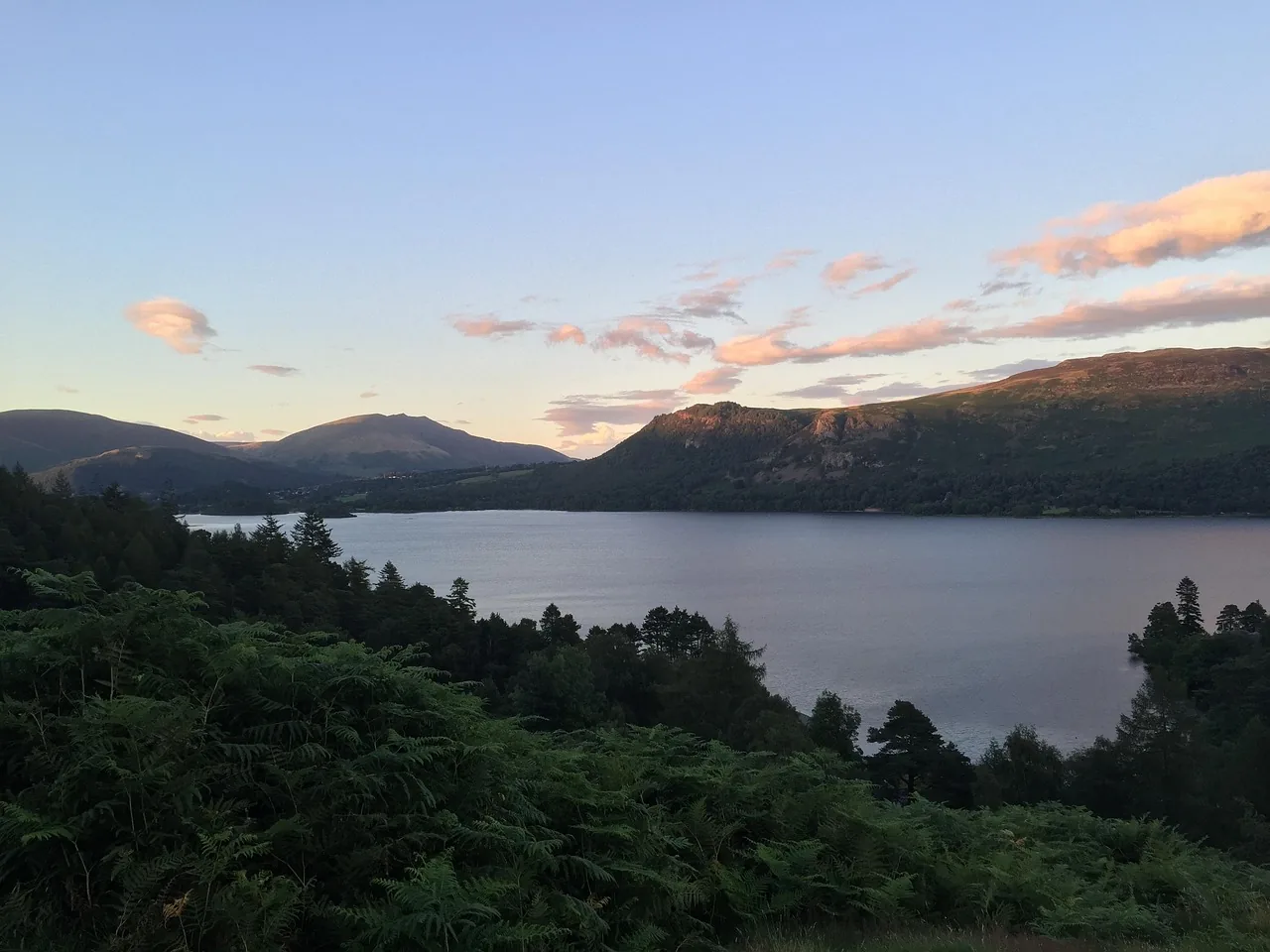
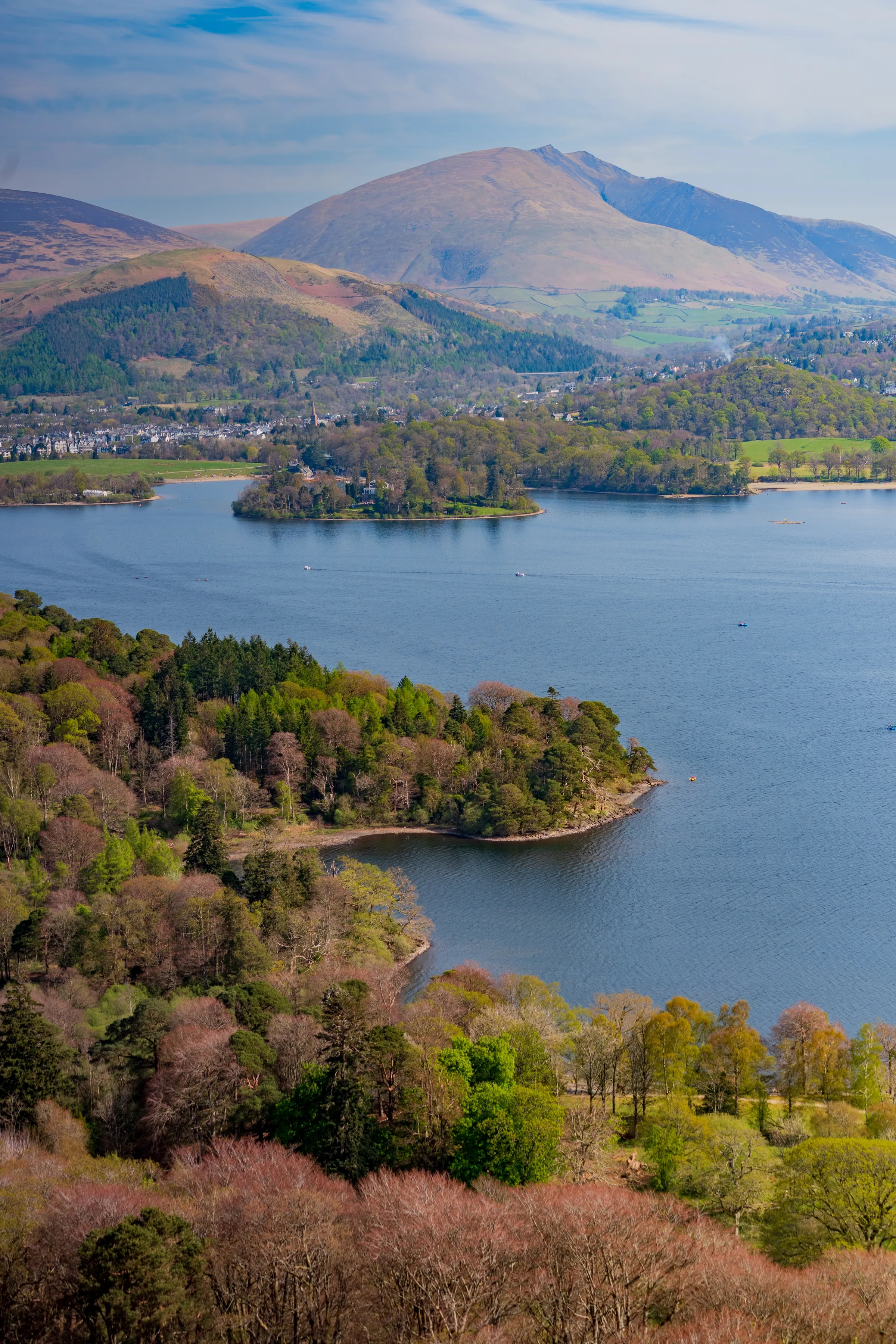
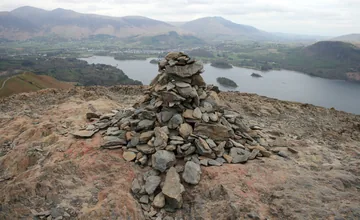
 Looking over Brandelhow Wood to Derwentwaterby Mike Harris, Wikimedia Commons (Geograph)Original photoCC BY-SA 2.0 licence
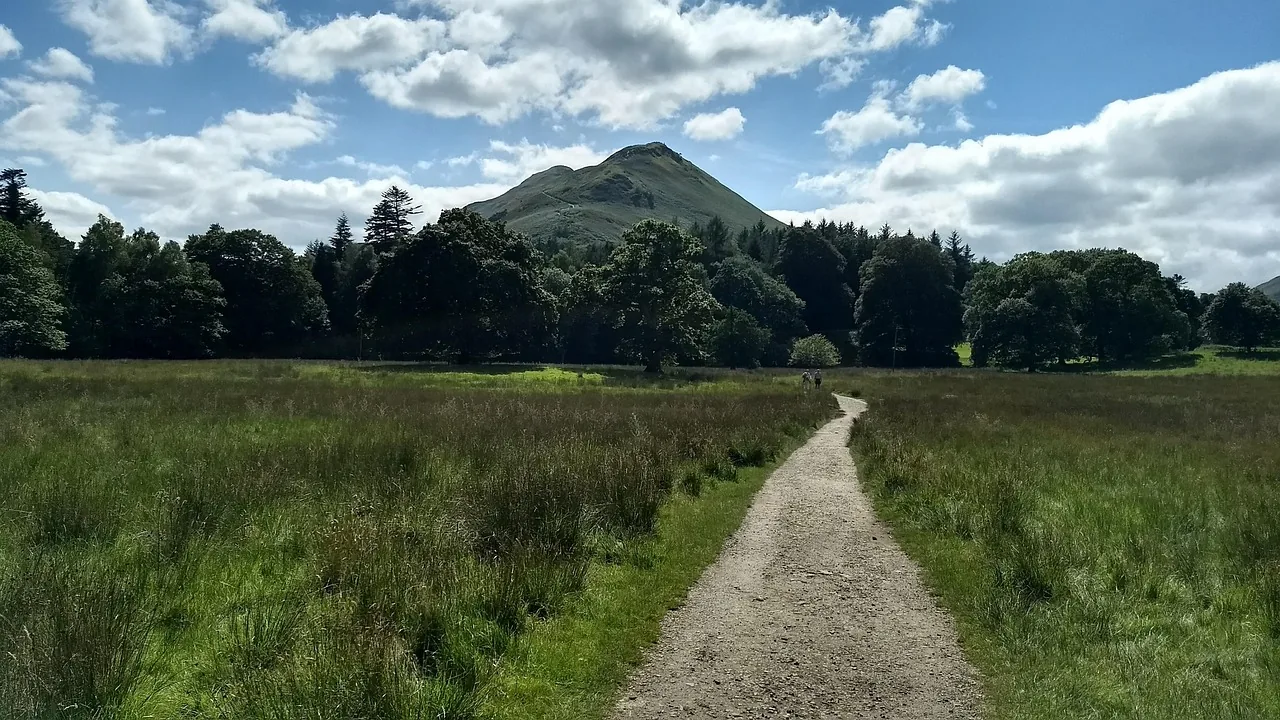
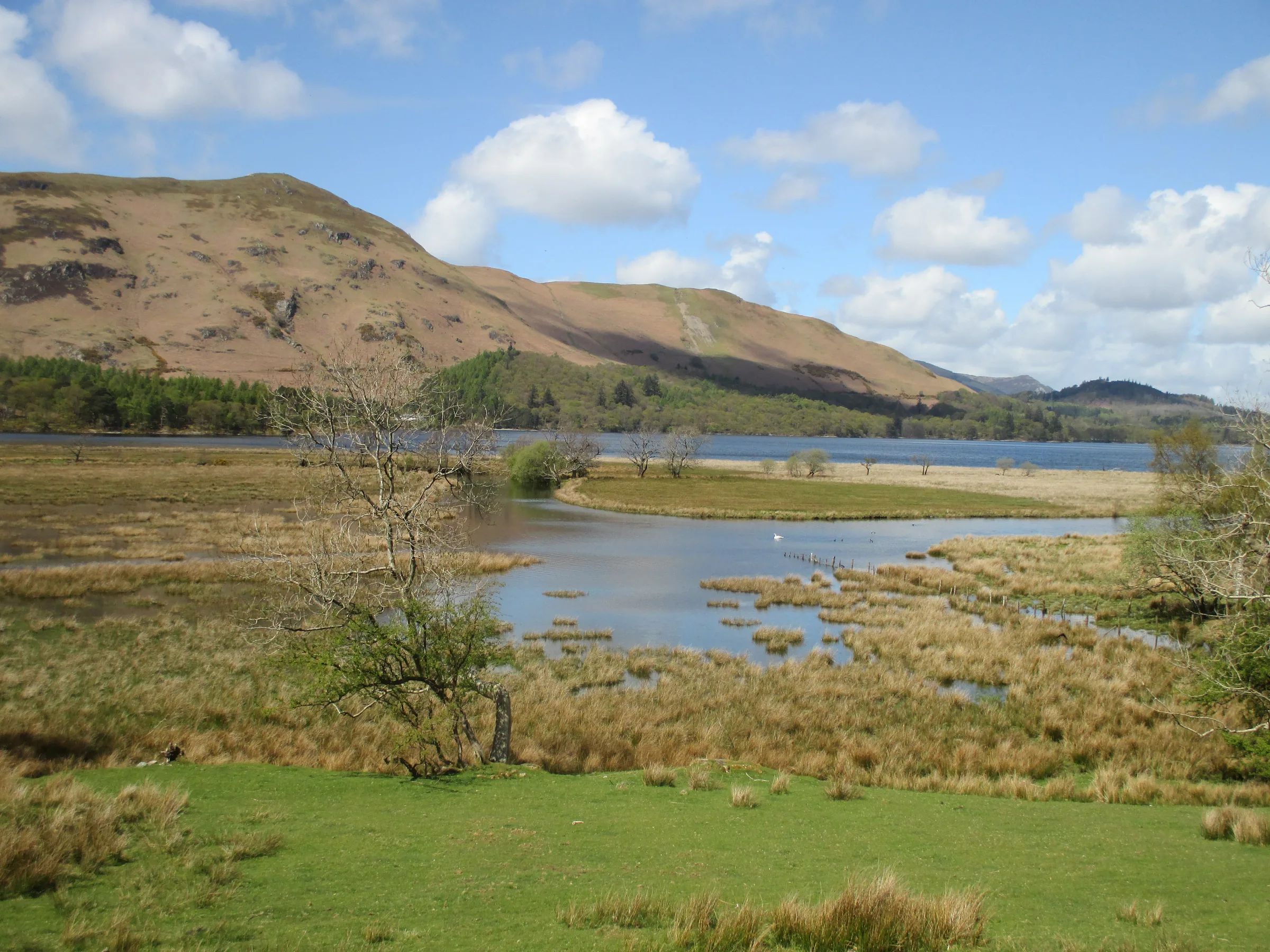
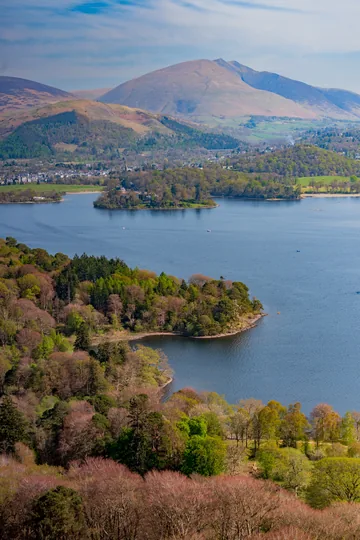
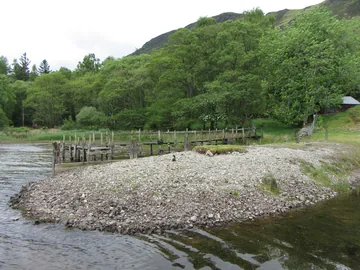 Landing stage near Brandelhow Pointby Gareth James, Wikimedia Commons (Geograph)Original photoCC BY-SA 2.0 licence
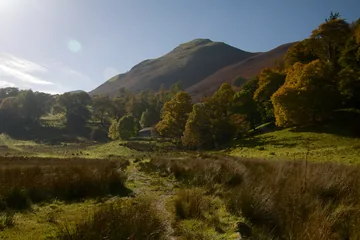
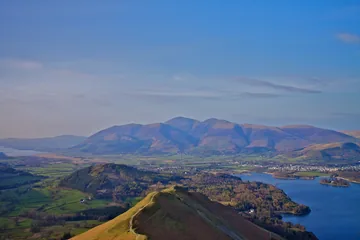
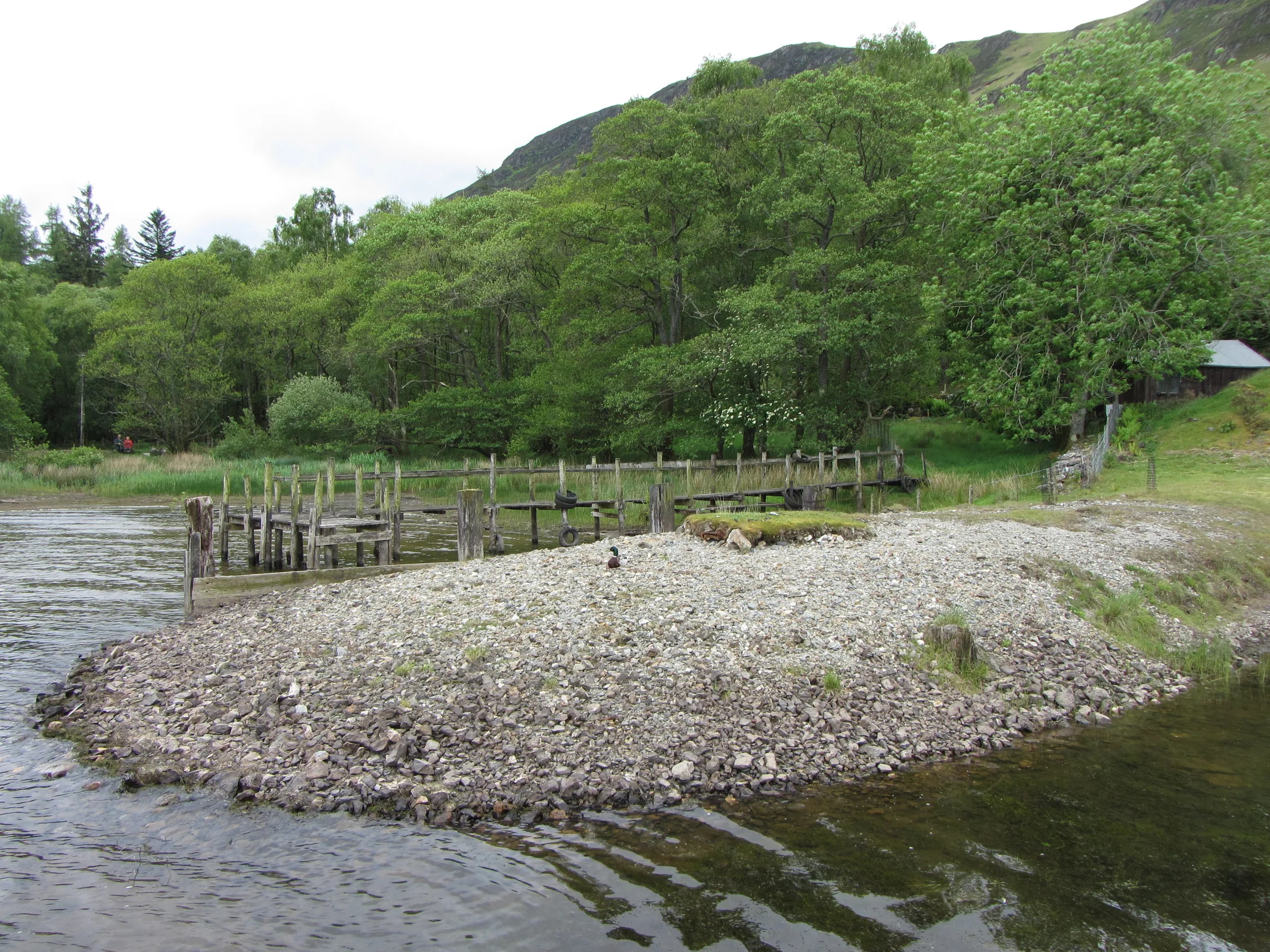
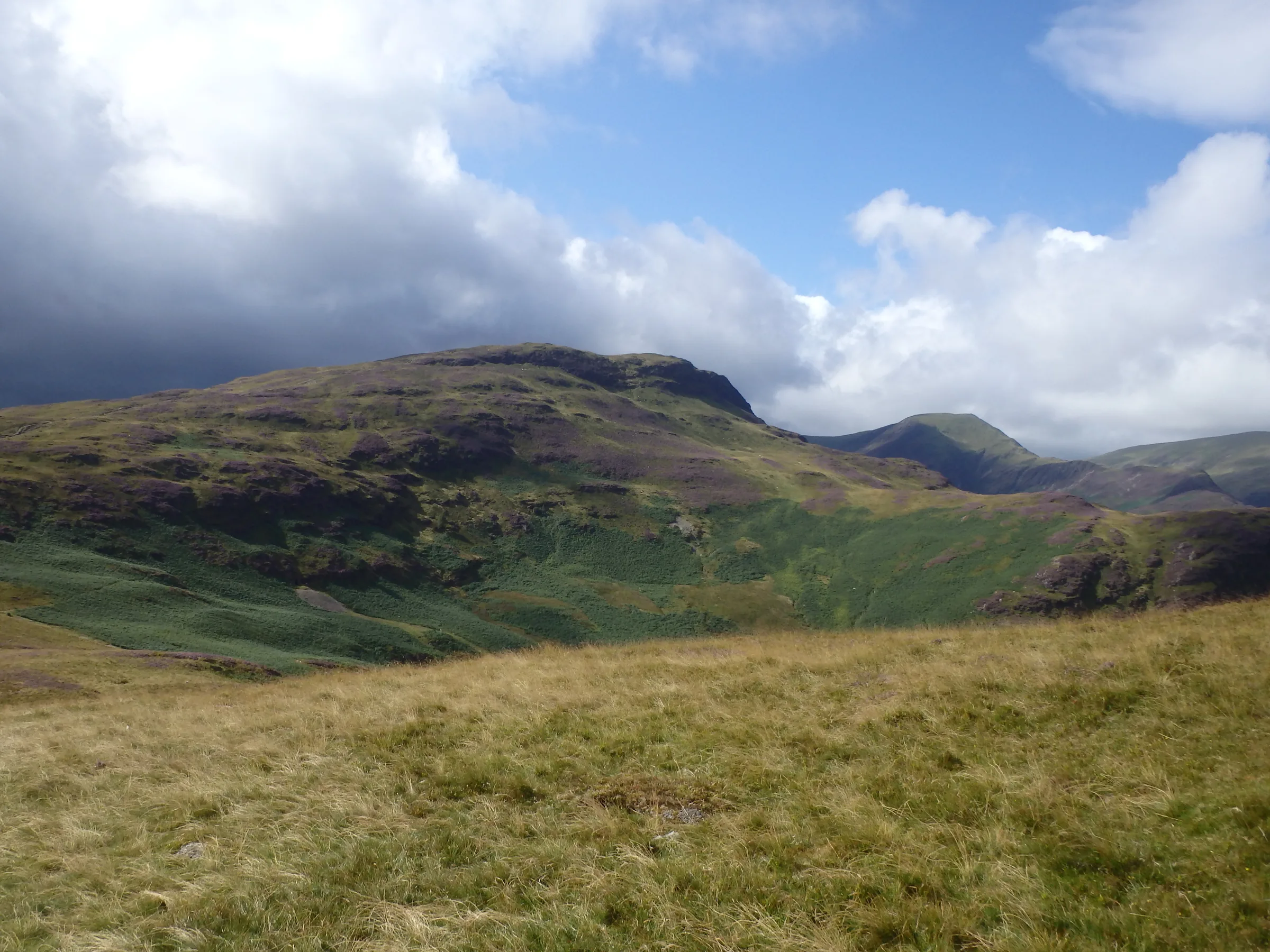
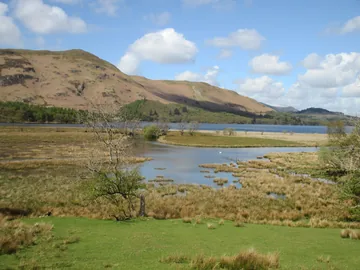
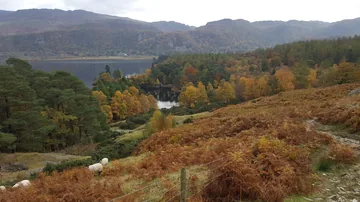 Brandelhow Bay and boathouse, Derwent Waterby Clive Nicholson, Wikimedia Commons (Geograph)Original photoCC BY-SA 2.0 licence
Hints & Tips
A Short Scramble
Just below the summit the path crosses a short band of rock that needs hands as well as feet. It's easy but polished smooth by thousands of walkers, so it's slippery when wet. Take it slowly, and on the way down from the summit to Hause Gate watch your footing on the loose stones.
Go Early or Late
Catbells is one of the busiest fells in the country. Arrive before 8:30AM, or start late in the afternoon in summer, and you'll get a parking space and a much quieter ridge. A sunrise or sunset from the summit over Derwentwater is hard to beat.
Steep Underfoot
The climb up the north ridge is short but steep, on a well-worn path that's rocky in places. Wear proper walking boots or shoes with good grip; trainers are fine in the dry but you'll regret them in the wet.
Dogs & Sheep
Dogs are welcome on the fell and on the launch, but sheep graze the whole ridge, so keep dogs on a lead, especially in spring when there are lambs about.
Make It Longer
Feeling fresh at Hause Gate? Carry on south along the ridge to Maiden Moor, and from there on to High Spy for a much bigger day. Drop back down to the terrace path the same way, or follow the bridleway down to Manesty.
Bring Snacks
There's nowhere to buy food or drink at the start and no toilets, so bring water and snacks and use the loos in Keswick before you set off. The Swinside Inn and Lingholm Kitchen (see Facilities) are both close by for afterwards.
Interesting Facts
General
A Little Wainwright
Catbells is 451m high, with a prominence of just 86m, but it's one of the 214 Wainwrights and one of the most climbed of them all
Den of the Wild Cat
The name may come from "Cat Bields", meaning the shelter or den of the wild cat, which once lived in these fells
Mrs Tiggy-Winkle
Beatrix Potter spent many summer holidays nearby at Lingholm, and Mrs Tiggy-Winkle, the hedgehog washerwoman, lived behind a little door in the side of Catbells
A Writer's Home
The novelist Sir Hugh Walpole lived at Brackenburn, on the lower slopes above the lake, from 1924 until his death in 1941
Mines in the Fell
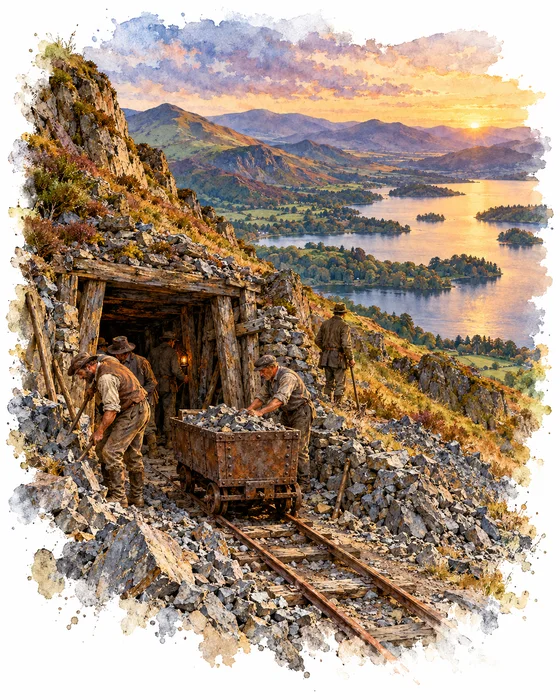
The quiet slopes of Catbells hide a busy past. Lead, with a little silver, was mined at Yewthwaite on the western side of the fell and at Brandlehow and Old Brandley on the Derwentwater side, and you can still see the spoil heaps and old levels on the flanks of the fell. Nobody recorded when Brandlehow was first worked, but a Victorian mining writer believed it was older than the use of gunpowder in mining.
Water was the miners' constant enemy. Springs inside Brandlehow poured out about 150 gallons a minute, and its owners tried a 30 foot water wheel and then steam engines to keep the workings dry, ending with a huge 350 horse power beam engine in 1888. In good years the mine raised around 300 tons of ore and employed 70 to 80 men and boys, and the ore held about 9 ounces of silver in every ton. Yewthwaite was abandoned in 1893, and all of the Catbells mines had stopped work by the 1890s.
Mining here was cold, wet and dangerous work. Most of the old shafts have now been blocked off, but please don't go into any of the old workings: they're unstable and dangerous.
Father of the Outdoor Holiday
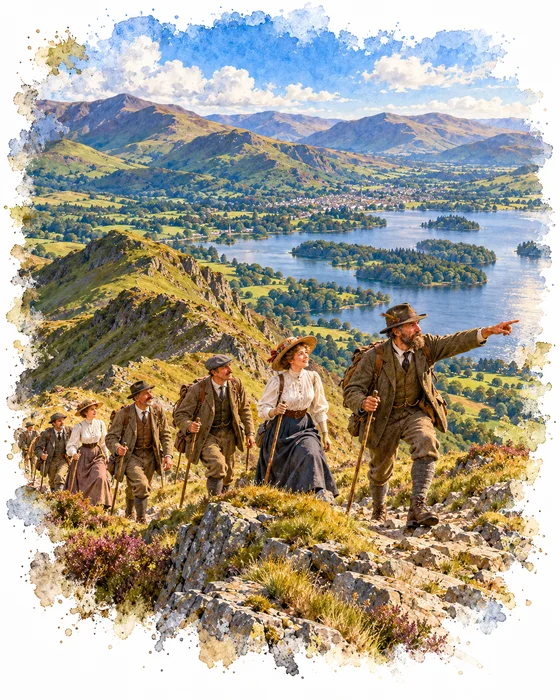
On the climb up the north ridge you pass a small memorial plaque set into the rock. It remembers Thomas Arthur Leonard (1864–1948), who founded the Co-operative Holidays Association and the Holiday Fellowship. He wanted working people to be able to enjoy the hills, and his walking holidays gave factory workers something different from the usual week at the seaside. The plaque calls him the Father of the Open-Air Movement in this Country.
Born in London, Leonard became a Congregational minister in Colne. In 1891 he took 32 members of his church on a holiday to Ambleside, and the idea grew from there. He left the Co-operative Holidays Association at the end of 1912 to start the Holiday Fellowship, now HF Holidays. He also helped to set up the Youth Hostels Association and was President of the Ramblers from 1935 to 1946.
A second plaque to him was placed on Cadair Ifan Goch, above the Conwy Valley in North Wales, near where he died in 1948. In 2014, the 150th anniversary of his birth, the broadcaster Paul Heiney filmed a walk up Catbells to remember him.
More Hikes
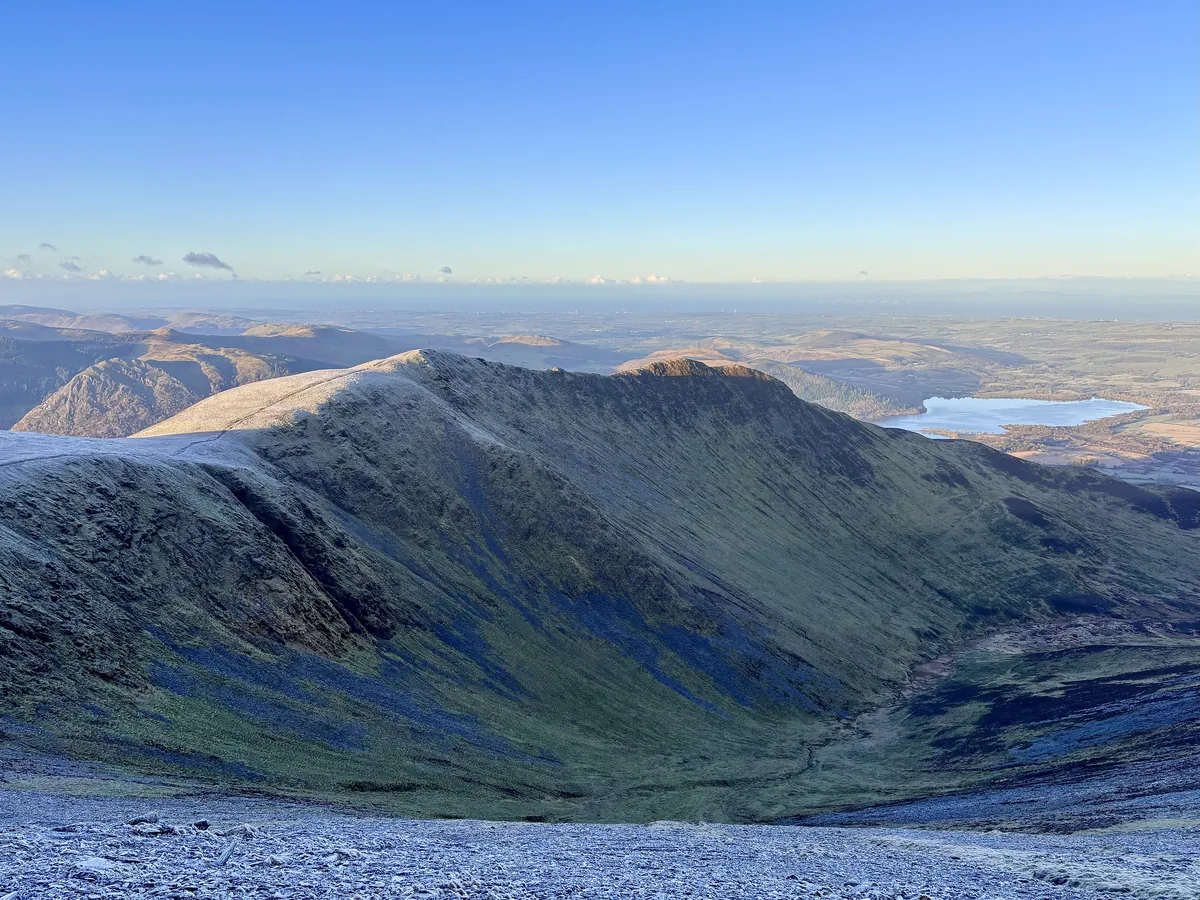 HardSkiddaw6.5 mi · 4–5 hrs · 870m
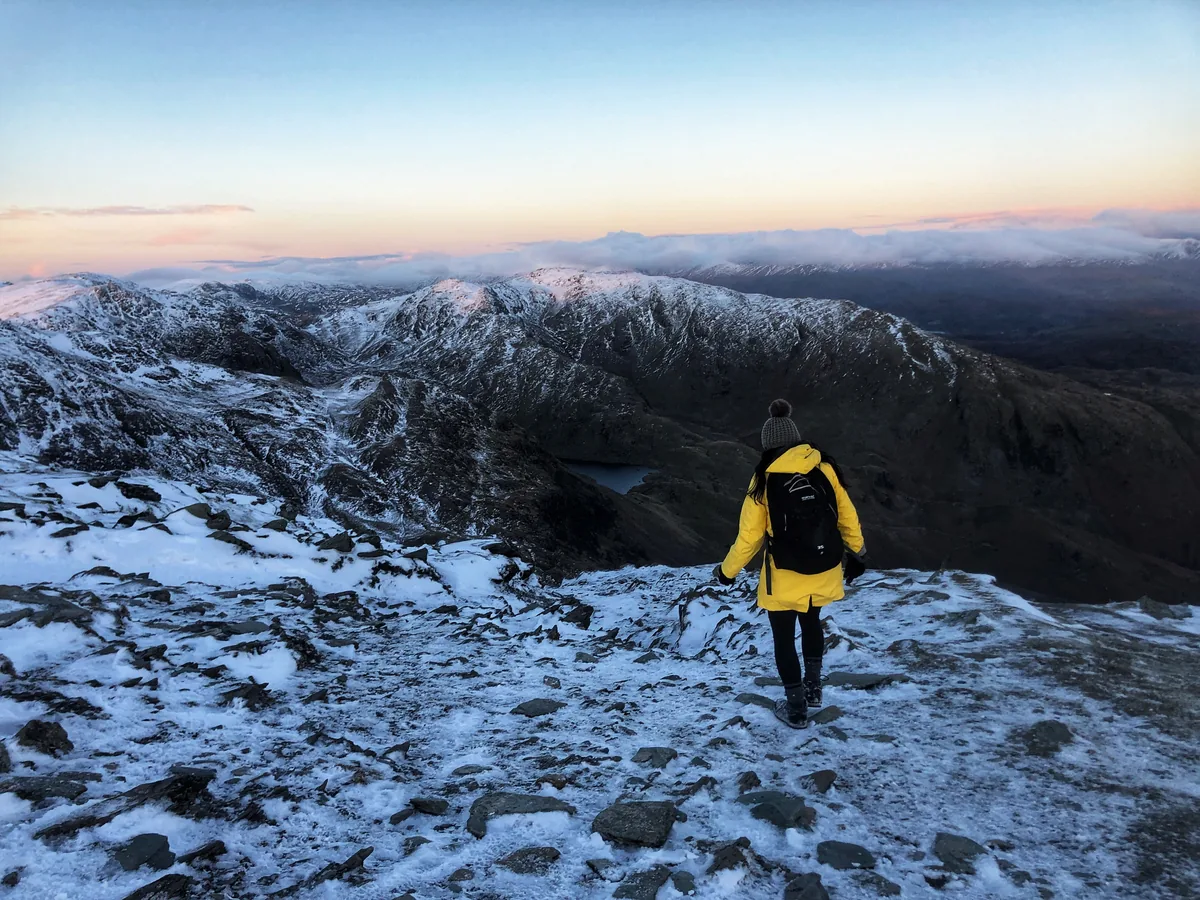 HardOld Man of Coniston4.9 mi · 3–4 hrs · 585m
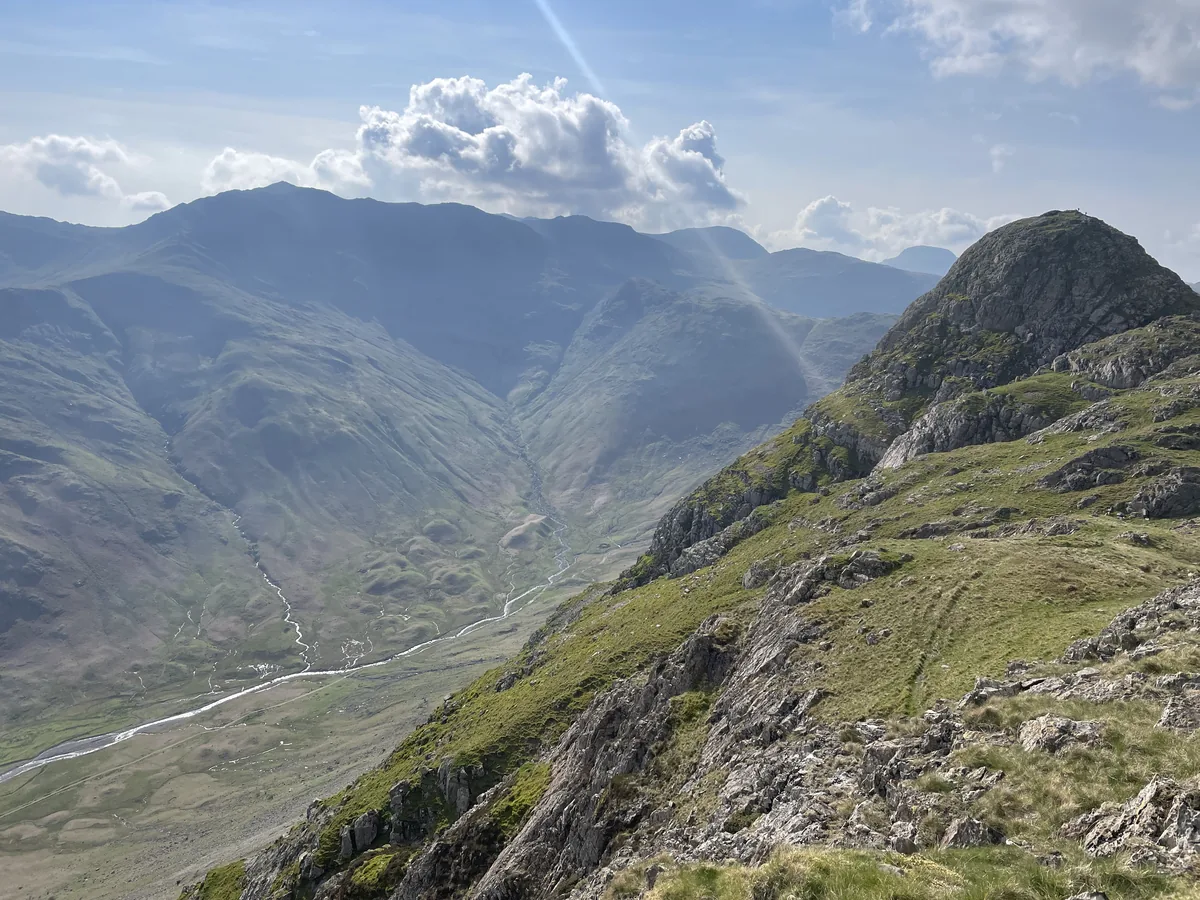 HardPike of Stickle4.1 mi · 3–4 hrs · 710m
 ModerateEasedale Tarn6.9 mi · 4–4½ hrs · 600m
 EasyLoughrigg Fell3.0 mi · 2–2½ hrs · 326m
 ModerateWalla Crag & High Seat5.8 mi · 3½–4½ hrs · 547m
Subscribe for updates on new hikes and National Parks
One email a month with new hikes and routes. No spam.