



Contents
Overview
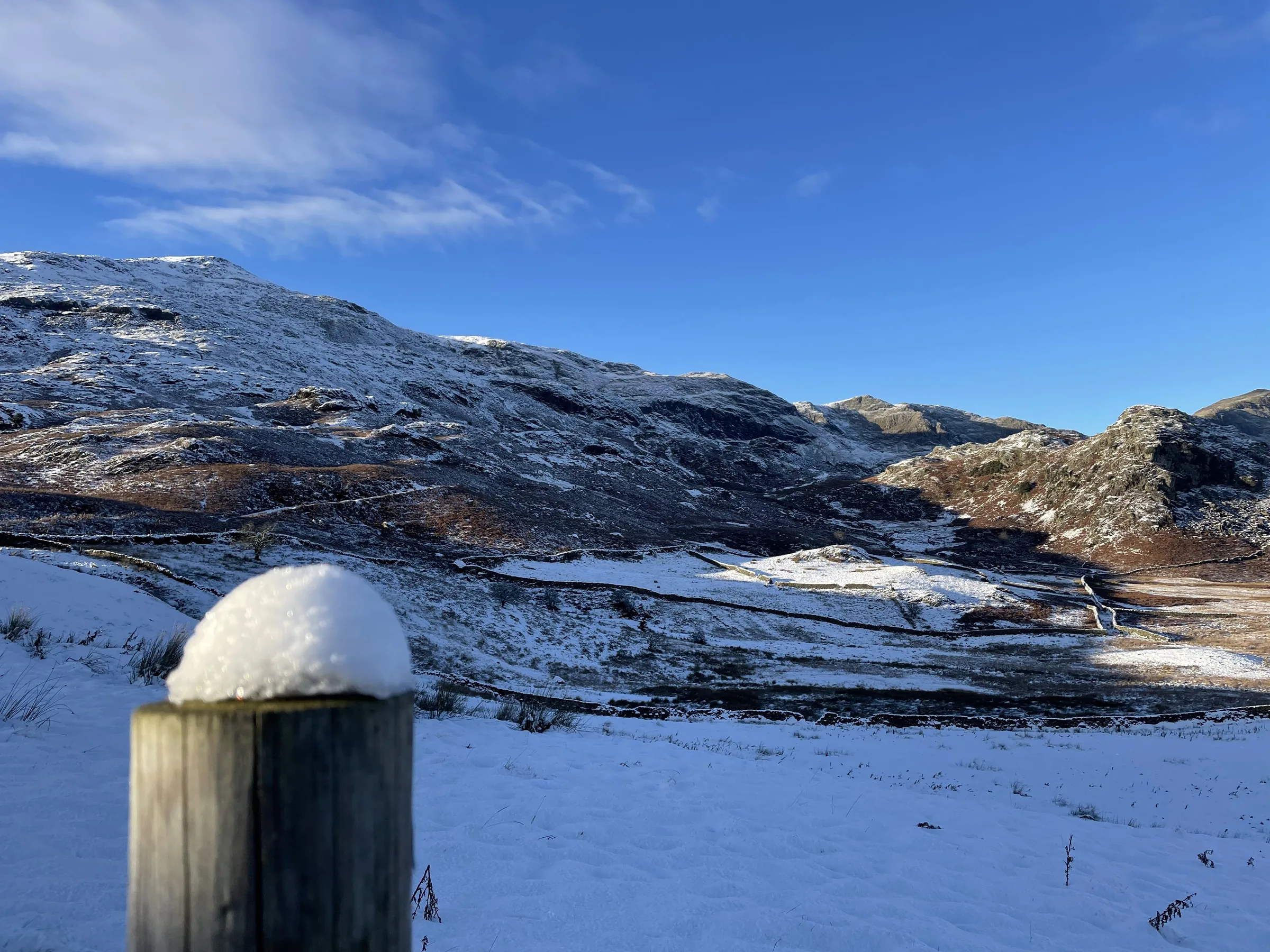
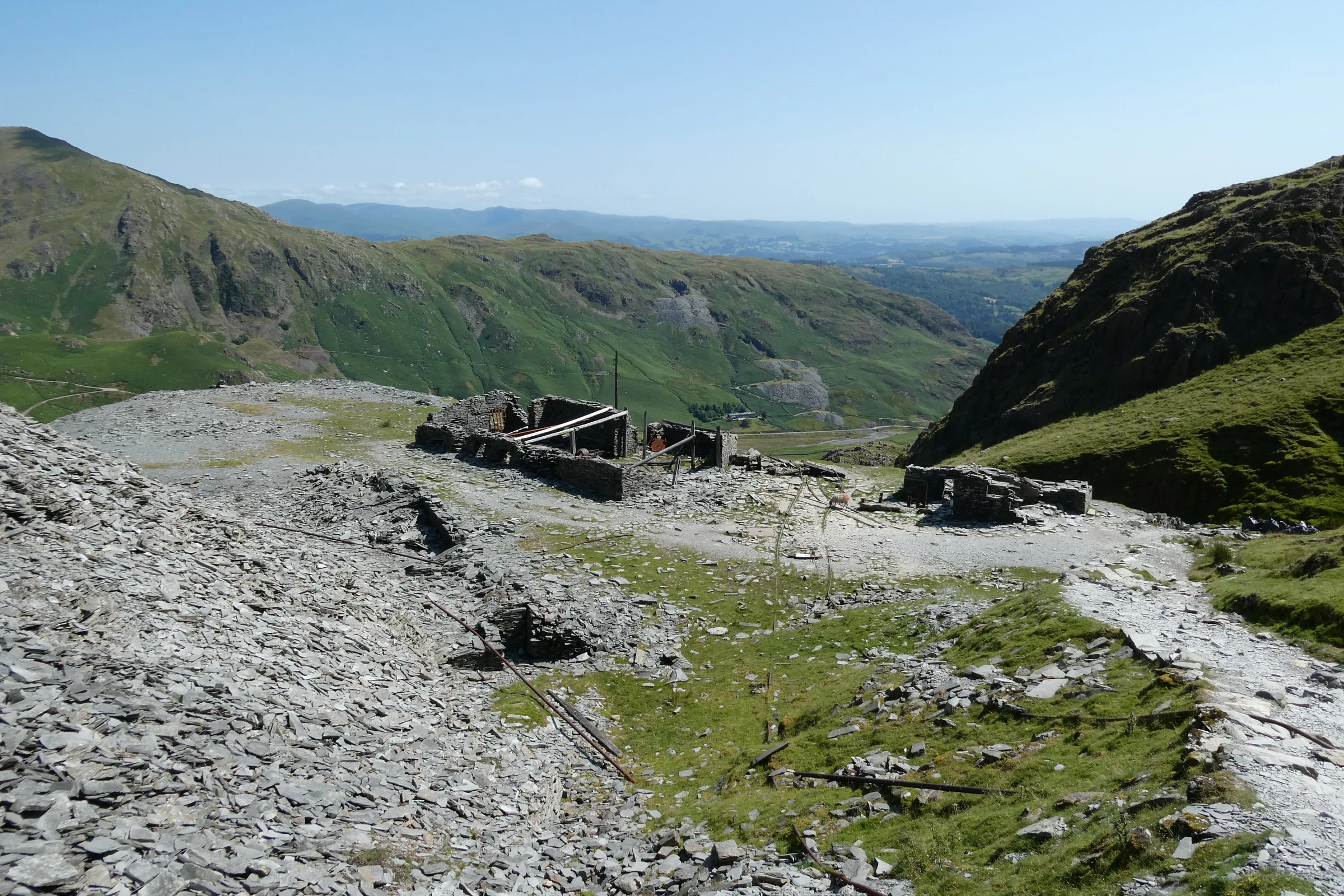
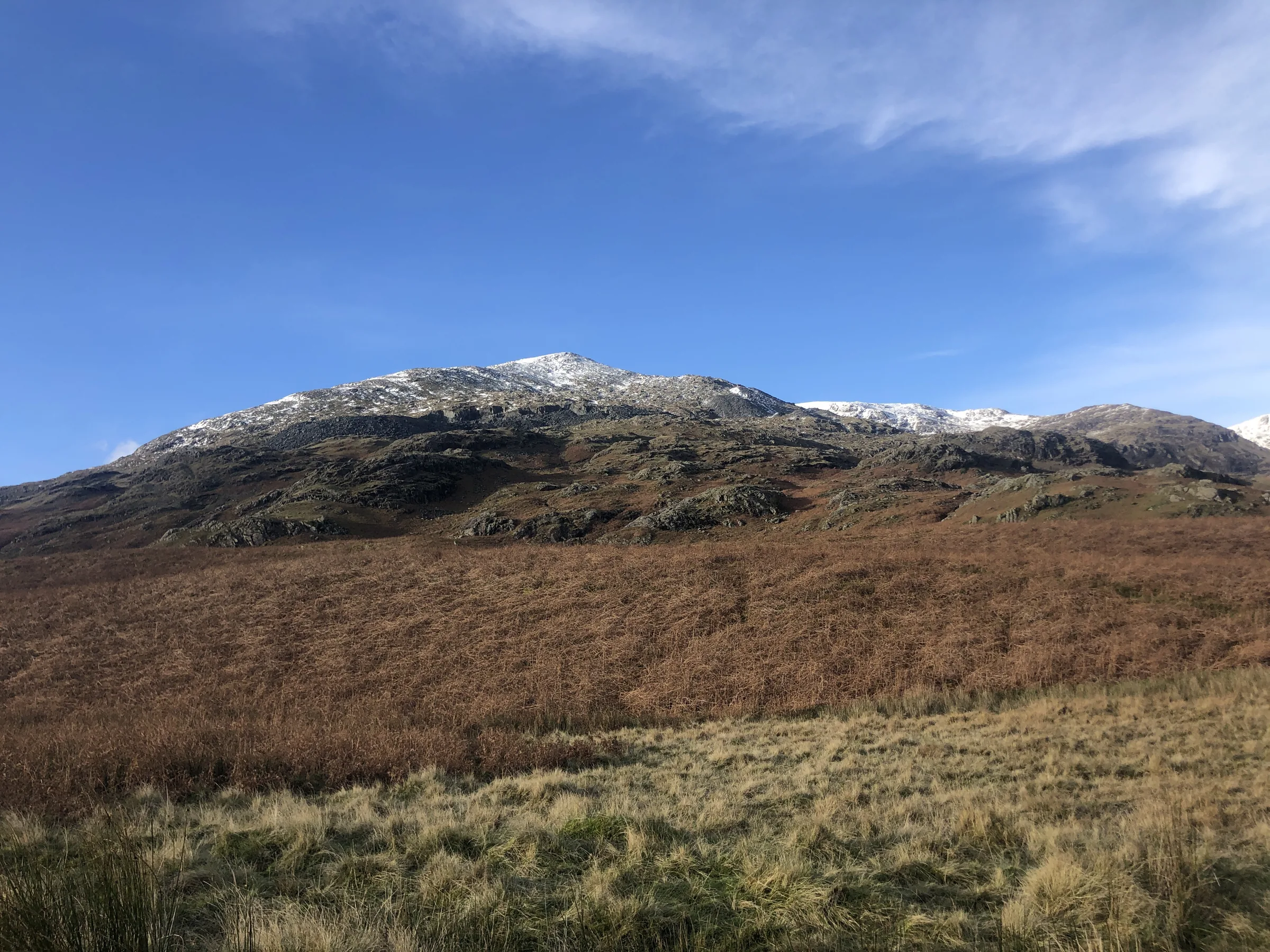
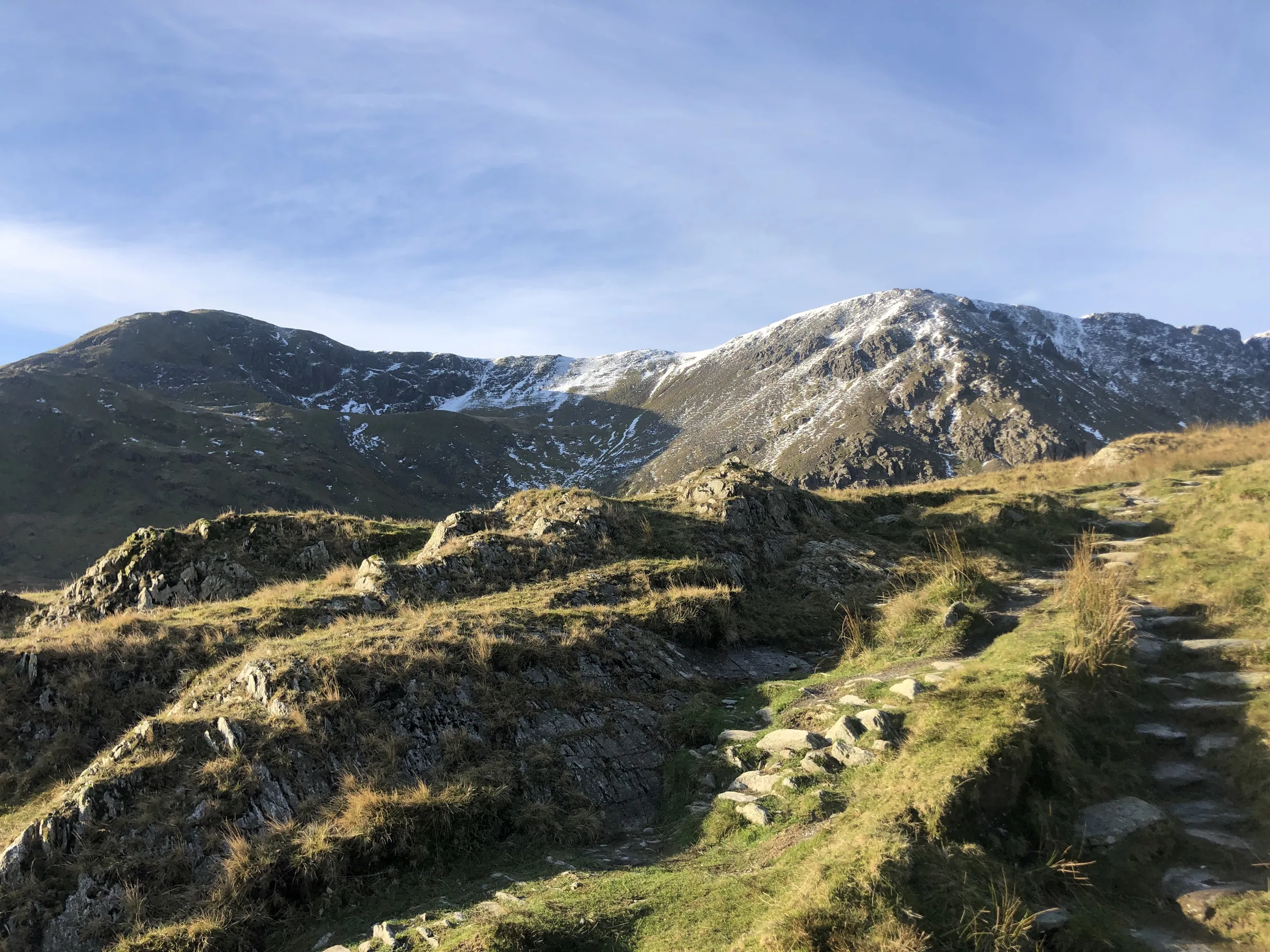
The village of Coniston sits right under the Old Man. At 803m it was the highest point in Lancashire until 1974, when the whole of Furness, the corner of Lancashire cut off from the rest of the county by Morecambe Bay, was moved into the new county of Cumbria. Its slopes are scarred by hundreds of years of copper mining and slate quarrying, which makes it one of the most interesting climbs in the Lake District as well as one of the most popular.
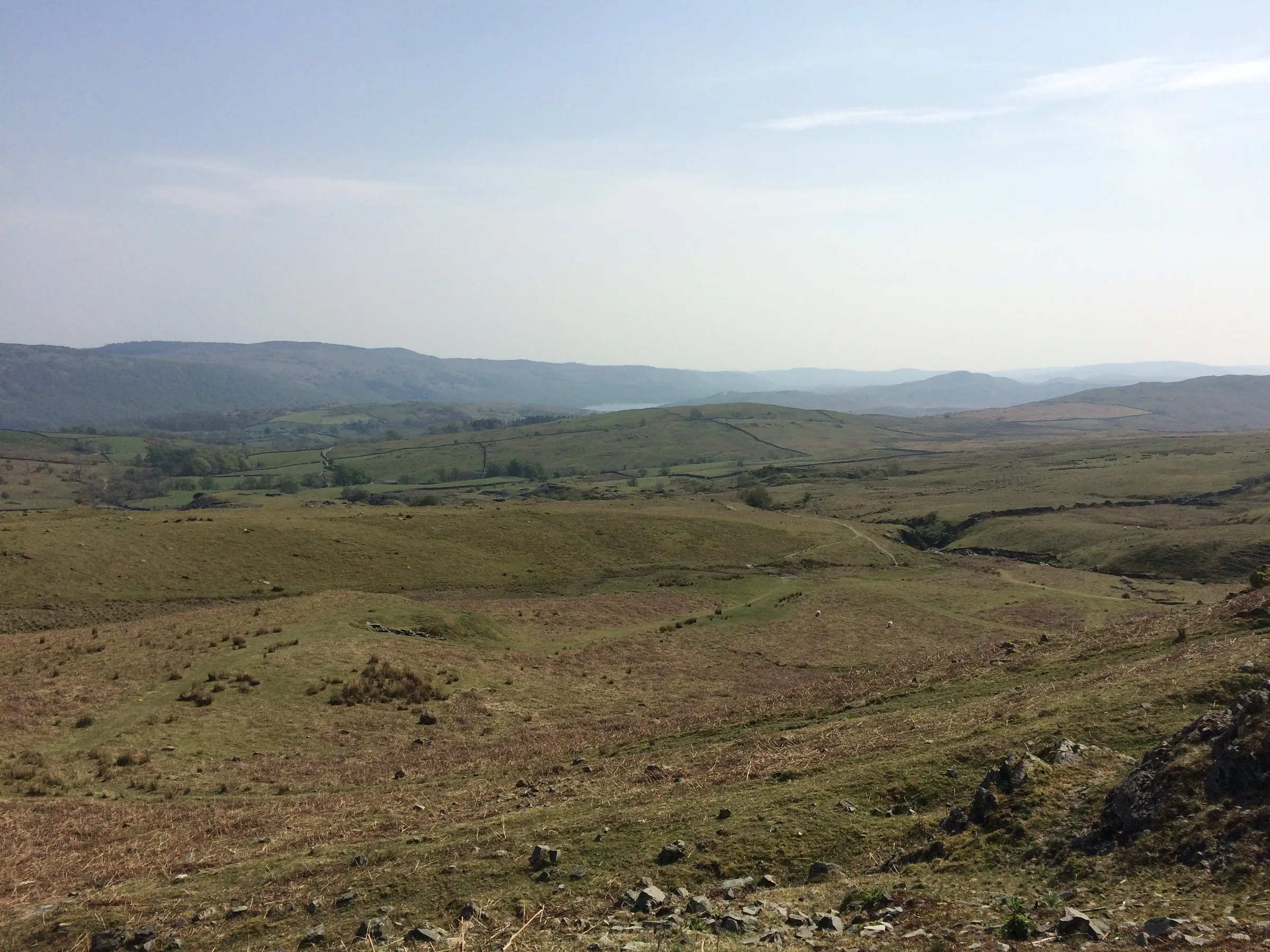
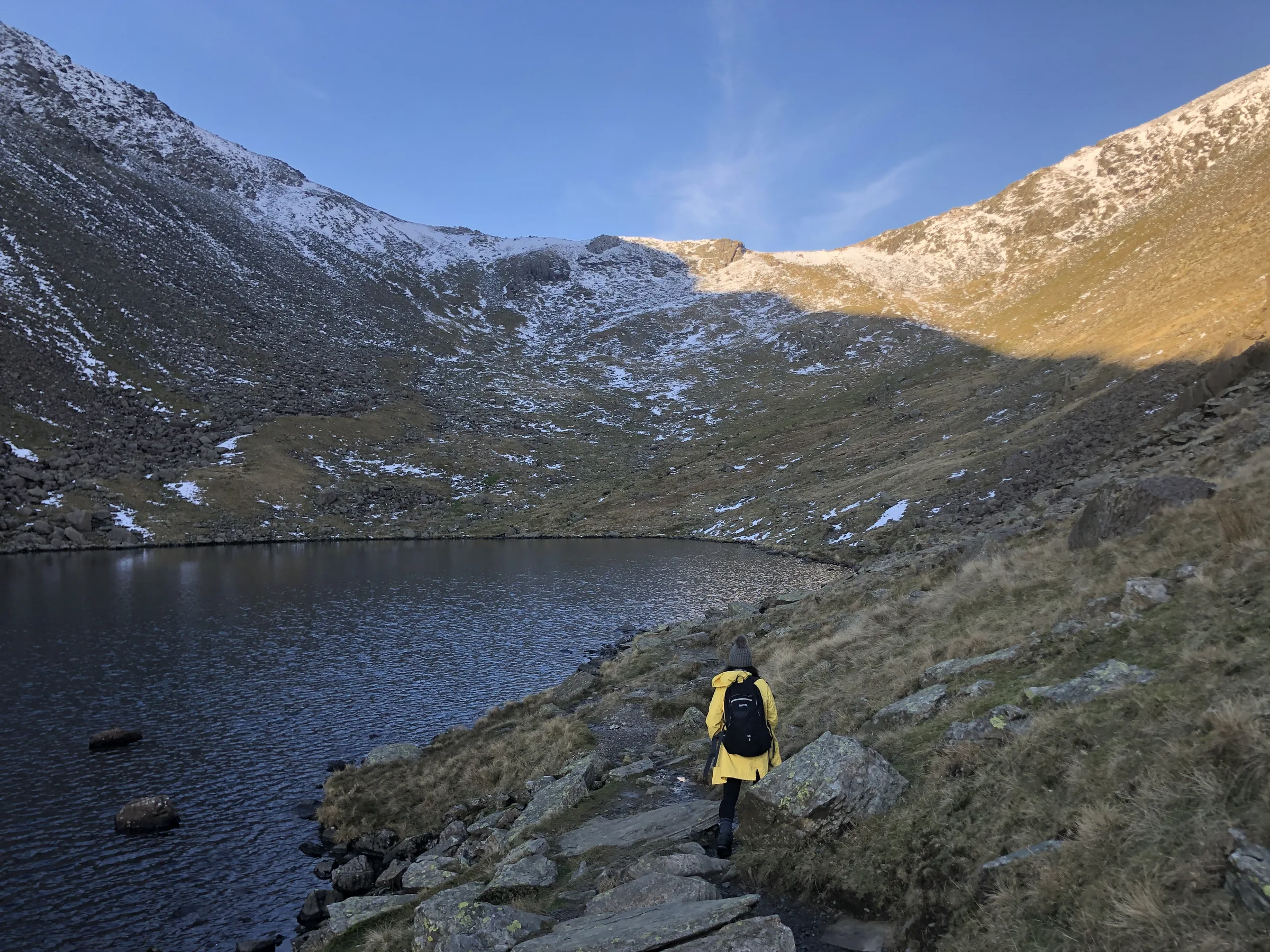
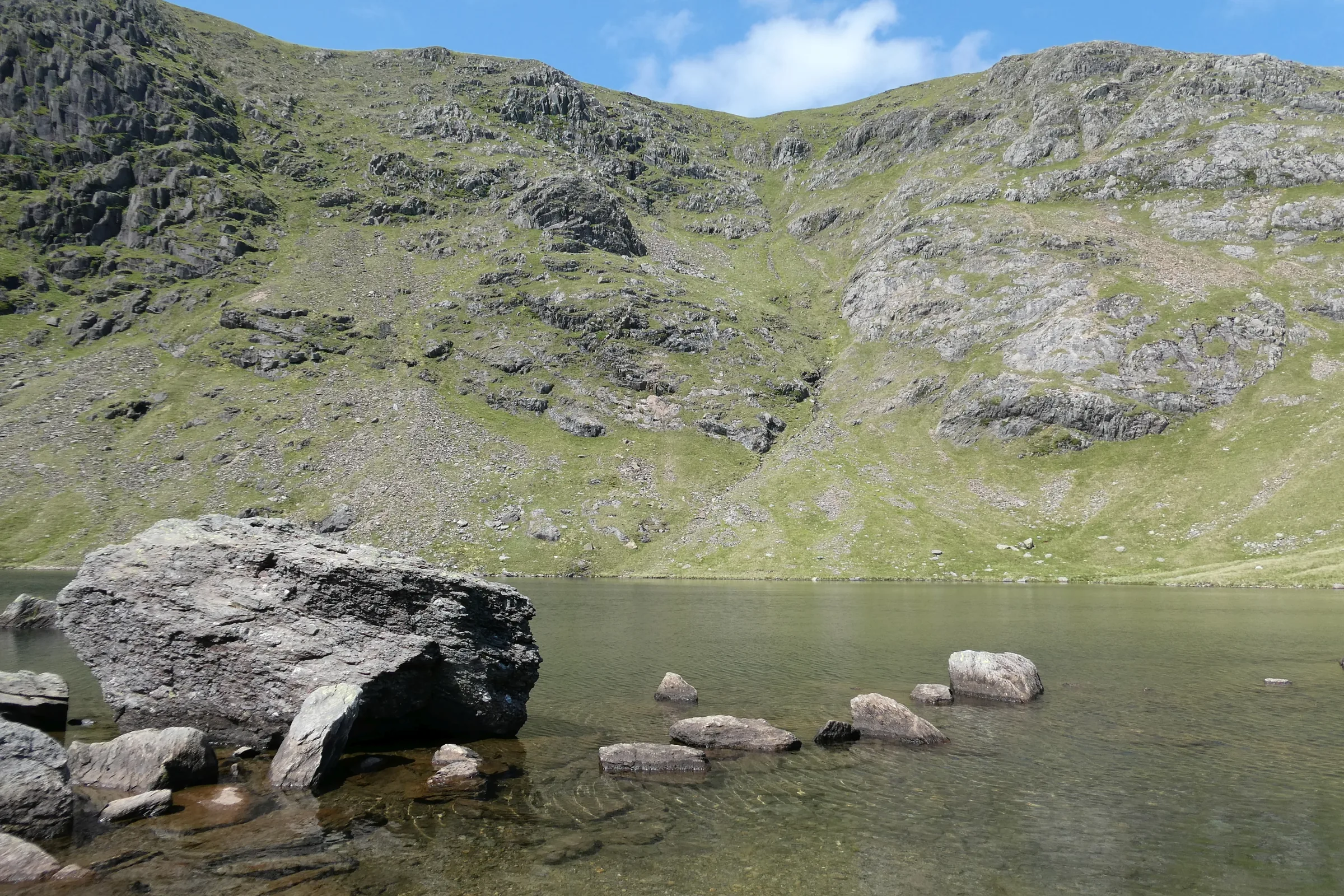
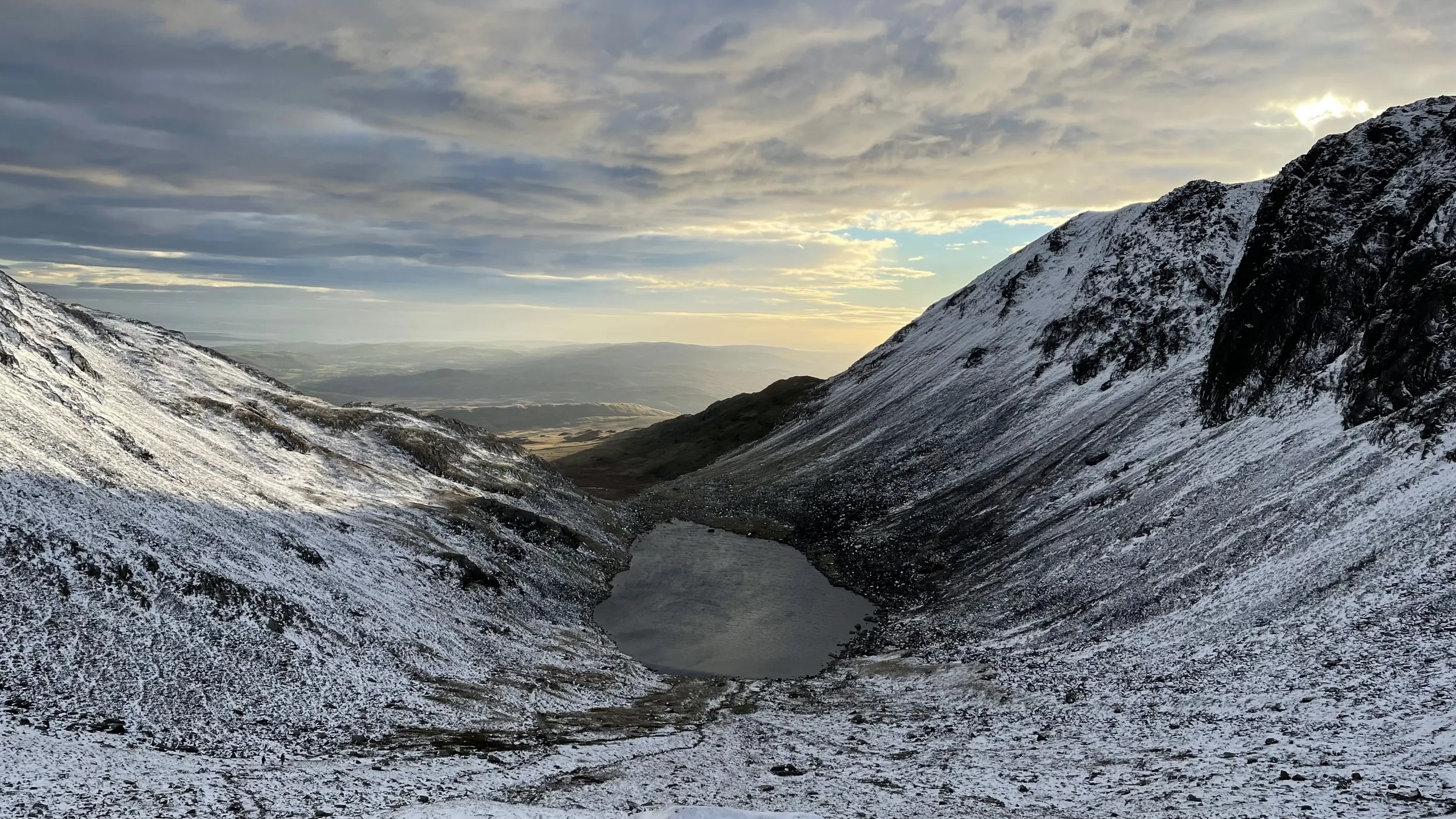
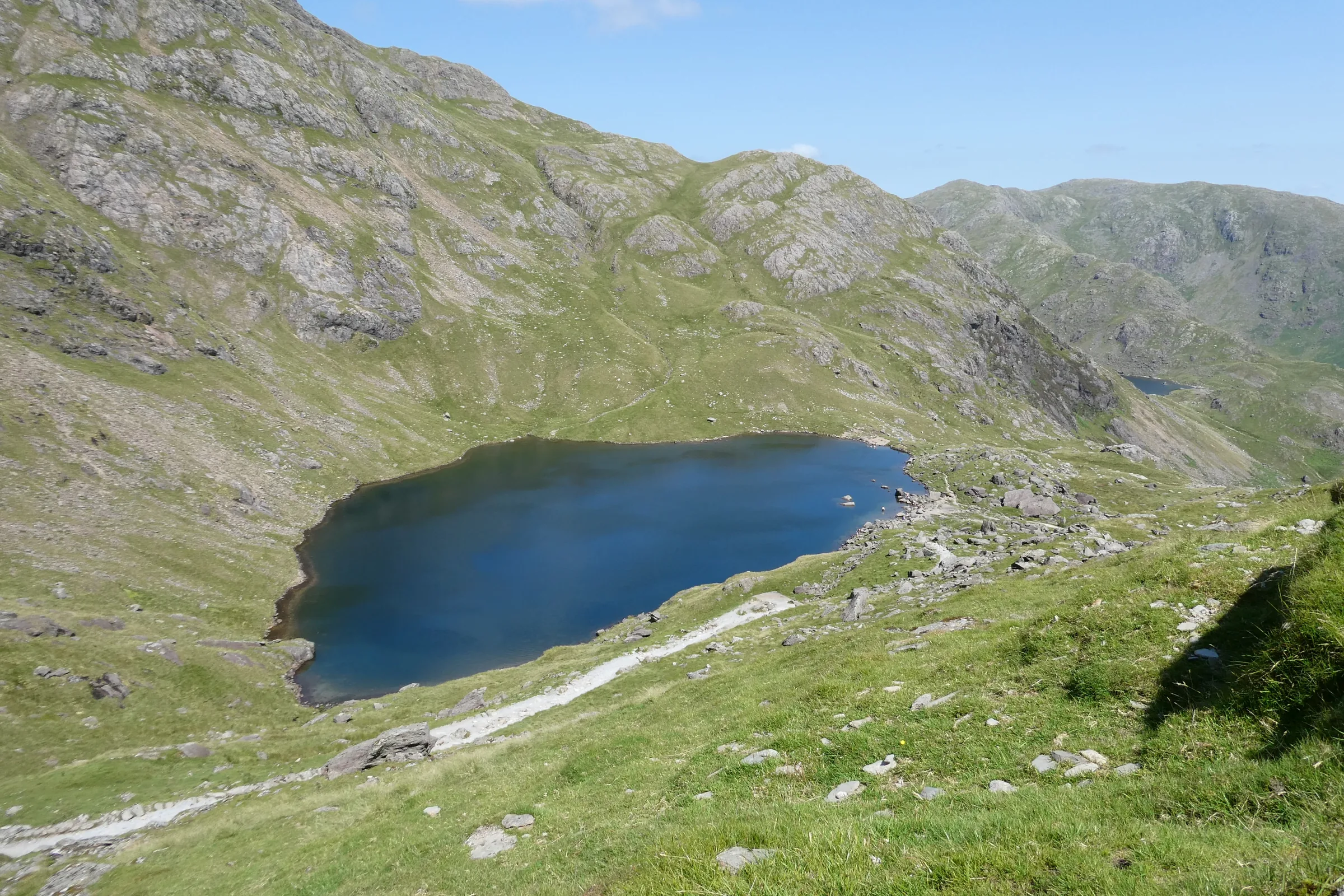
This loop starts high, at the Walna Scar car park above the village. A broad old track heads west across open moor before a quieter path turns north into the hidden valley of Goat's Water, sitting in its rocky bowl beneath the cliffs of Dow Crag. From there it's a steep climb to Goat's Hawse and an easy walk along the ridge to the summit, with Coniston Water laid out far below. You come back down the main path past Low Water, a perfect mountain tarn, and past the spoil heaps of the old quarries, before a gentle walk back to the car. This walk takes in one Wainwright: Coniston Old Man. Find all 214 on our Wainwrights map.
Go prepared, stay safe,
and enjoy the hike!
Key Info
Crowds
High
The Old Man is one of the most popular fells in the southern Lakes, and most people climb it by the main paths up from Coniston past the old mine and quarry workings. This route climbs the quieter way via Goat's Water and comes down the busier side. The car park is the main pinch point on fine days.
When it gets busy
- July and August, when the summer crowds are at their peak
- Summer weekends and bank holidays
- The main paths up from Coniston past the old mine and quarry workings
- Walna Scar car park (about 70 spaces), which can be full by 10AM even on a sunny weekday in summer
For a quieter walk
- Go in May, June, September or October, before or after the summer crowds
- Arrive before 9AM in the summer holidays or on nice weekends to get a space
- Follow this route up via Goat's Water, as most people take the main Old Man path instead
- Start later in the day so the busy main path is emptying as you come down it (general advice, allow enough daylight)
- If the car park is full, park at the Old Station car park in Coniston and walk up the road, about 25 minutes
Our crowd rating is for a typical sunny weekend in spring or summer, in the middle of the day. Timing makes a big difference, so even a busy walk can be quiet early, late or midweek.
The Route
Disclaimer: Route information and GPX files are provided for general guidance only. Conditions can change, so always use your own judgement and navigate responsibly. See our Terms of Use & Disclaimer for more information.
Route Guide
- 1
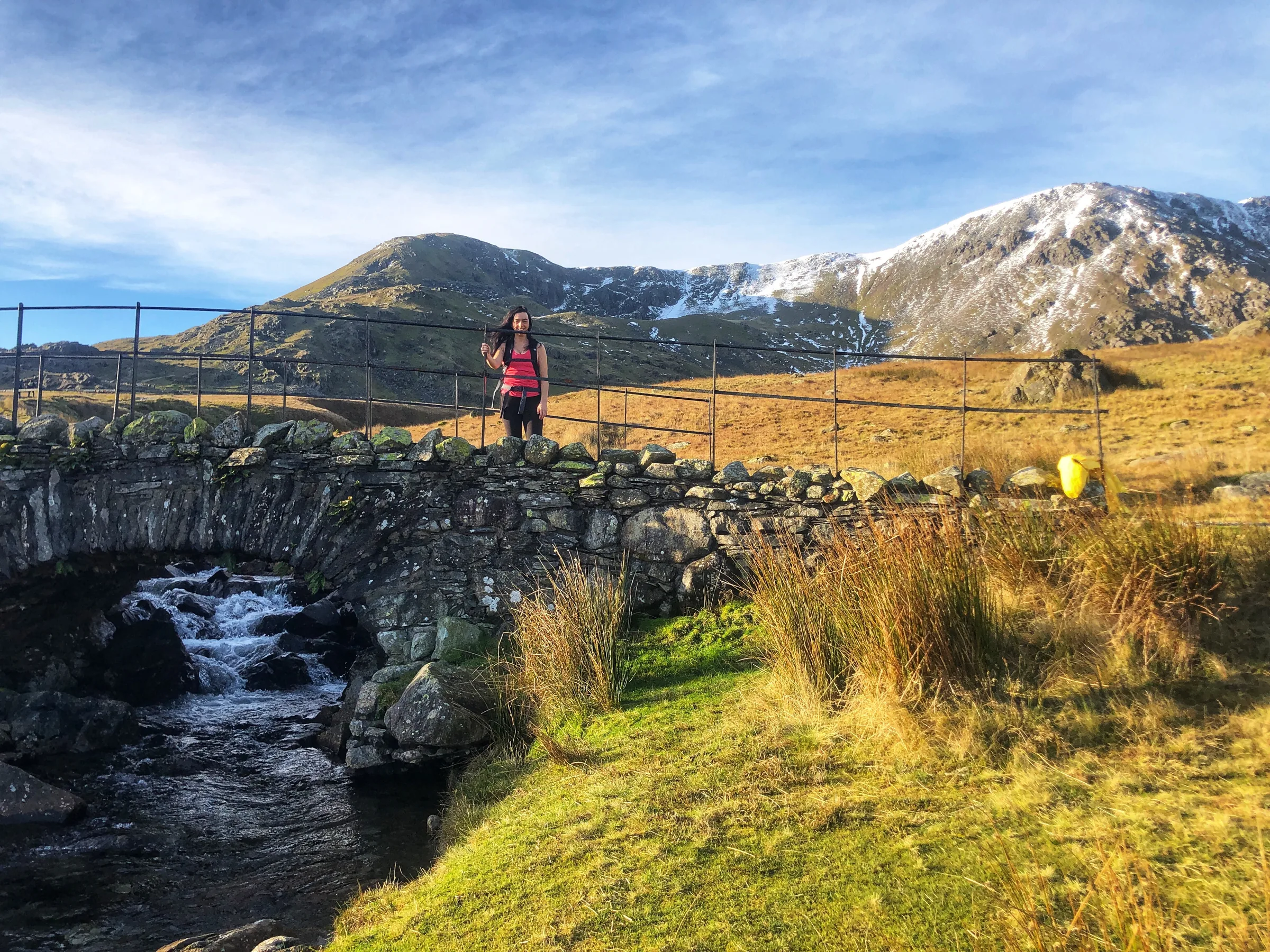
Along Walna Scar Road1.0 mi · 100m upFrom the car park, follow the broad, stony Walna Scar Road west across the open moor, passing Boo Tarn. Ignore the path that climbs off to the right towards the Old Man and stay on the main track.
- 2
Up to Goat's Water0.9 mi · 160m upAfter about a mile, before the road crosses Torver Beck at a bridge, fork right onto the path heading north. It climbs past the old Cove quarries into the rocky bowl of Goat's Water, beneath the cliffs of Dow Crag, and runs along the eastern shore of the tarn. If you reach the bridge, you've gone a little too far.
- 3
Climb to Goat's Hawse0.3 mi · 130m upFrom the head of the tarn the path climbs steeply north on rough, stony ground to Goat's Hawse, the saddle between Dow Crag and the Old Man. This is the hardest pull of the day.
- 4
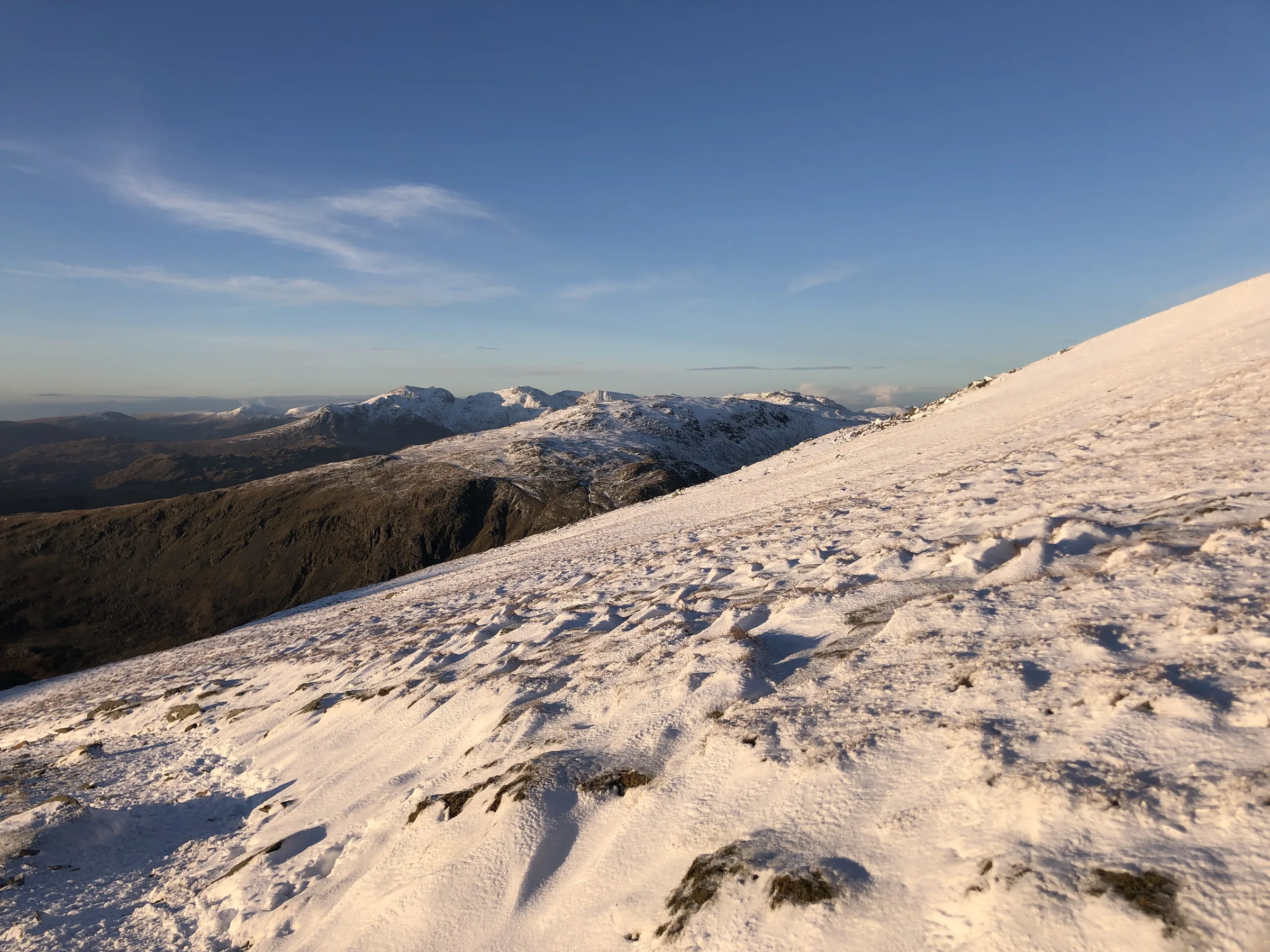
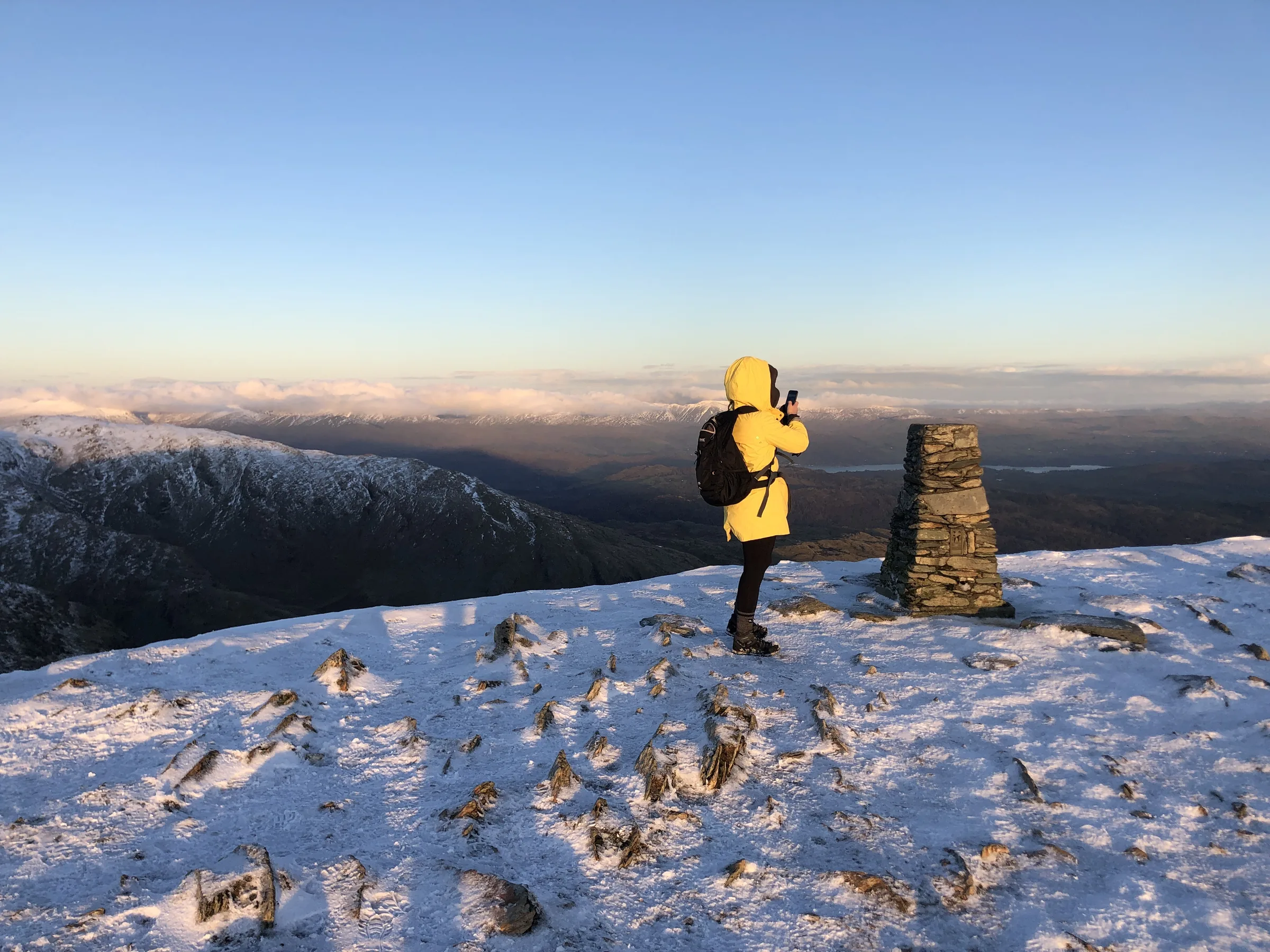
Ridge to the summit0.6 mi · 150m upAt Goat's Hawse turn right and climb east onto the main ridge, then follow the ridge path south-east to the summit trig point at 803m, with Coniston Water laid out below.
- 5
Down to Low Water0.5 mi · 250m downLeave the summit on the main path heading east, the busy tourist route. It swings north and zig-zags steeply down to Low Water, a small tarn below the summit.
- 6
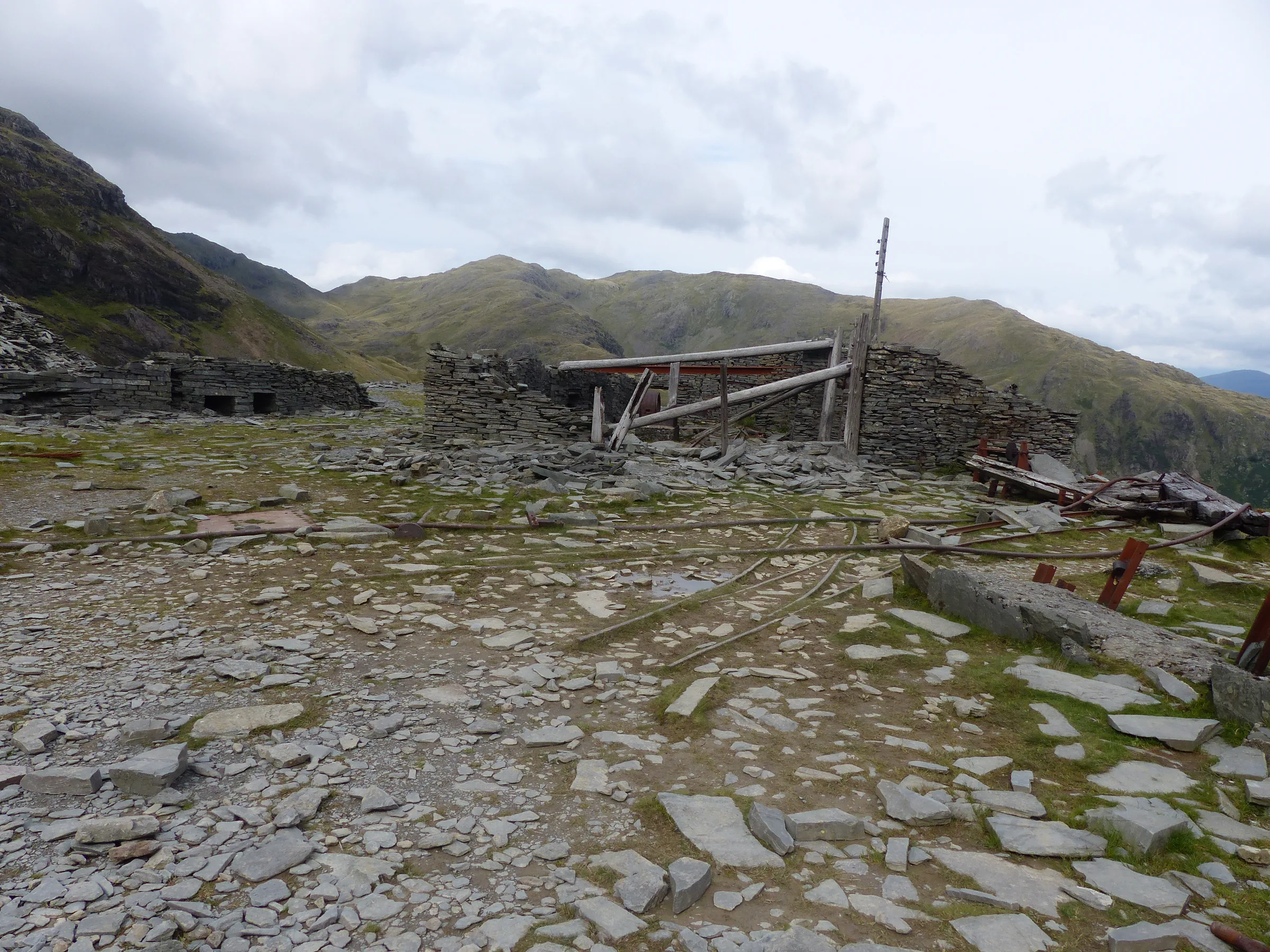
Through the quarries0.6 mi · 240m downBelow the tarn the path carries on east, down past the old slate quarries and their spoil heaps.
- 7
Back to the car park0.9 mi · 20m up · 80m downThe path bends sharply right and heads south down the open fellside, past a path that goes off to the left. Stay on it and it brings you back down to Walna Scar Road. Turn right and follow the road back to the car park.
Use the route on OS Maps, AllTrails or Komoot to navigate on the day; this guide is for planning.
Parking
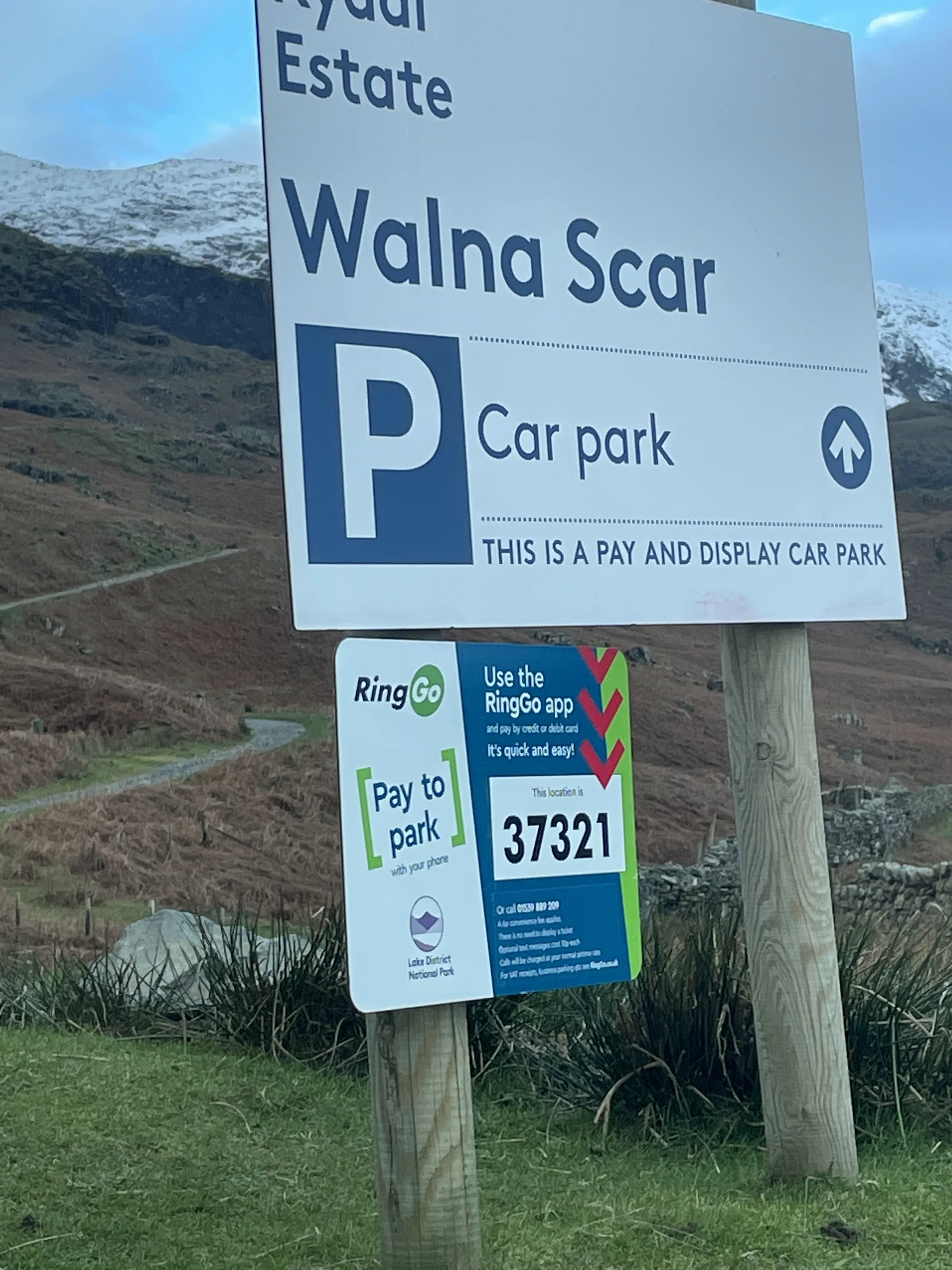
The walk starts from the Walna Scar car park (LA21 8HD), at the end of the tarmac on Walna Scar Road, about a mile above Coniston village. From the village, follow the lane up past the Sun Hotel; it's steep and narrow, so take it slowly and use the passing places. In winter the top part of the road can be extremely icy, and we've seen cars slide off it into the ditch, so if there's frost or snow about bring snow chains or snow socks, or park in the village and walk up. It's pay and display, and you can also pay by phone with RingGo, though the phone signal up there can be poor. There are no toilets, and it fills up early at weekends and in the summer holidays. Check the latest prices here.
Facilities & Hospitality
Public toilets with baby changing in the Ruskin Avenue car park, in the middle of the village. There are no toilets at the Walna Scar car park or anywhere on the walk.
A 16th-century inn on the lane between the village and the Walna Scar road, so it's right on your way home. Donald Campbell stayed here in 1967 during his last record attempt, and the inn is full of his photos and memorabilia. Food at lunchtime and in the evening, rooms with free Wi-Fi, and dogs are welcome everywhere except the conservatory.
An old coaching inn in the centre of the village, with the Coniston Brewing Company behind it. Its Bluebird Bitter was once named Supreme Champion Beer of Britain. Food from noon to 9PM, and dogs are welcome, but not in the restaurant. It has rooms too, with free Wi-Fi.
Weather
Hike Videos
Note: Videos are made by other walkers, not The Lost Peak. They may not follow this exact route, and paths, conditions and facilities may have changed since filming.
Photo Gallery
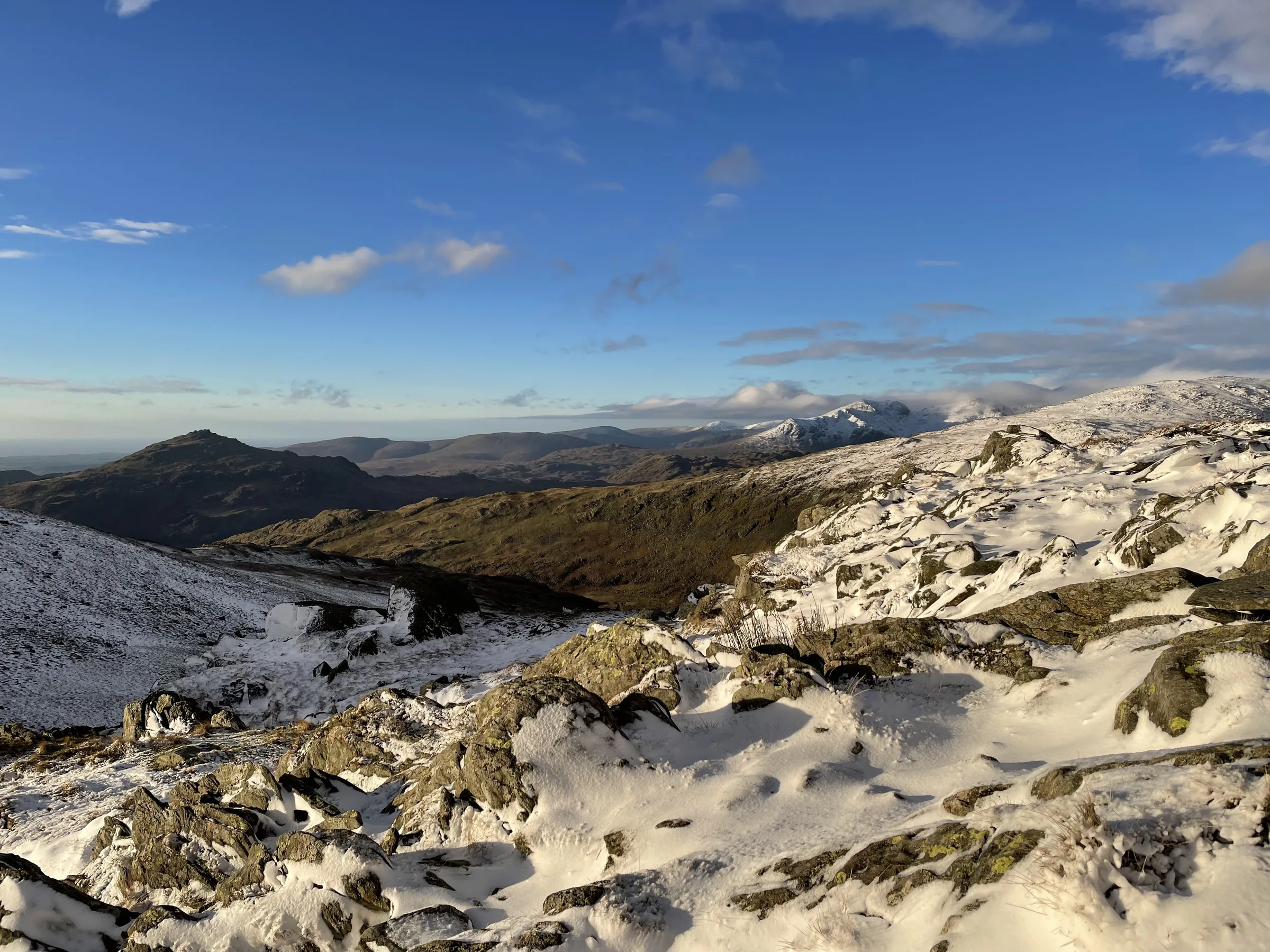
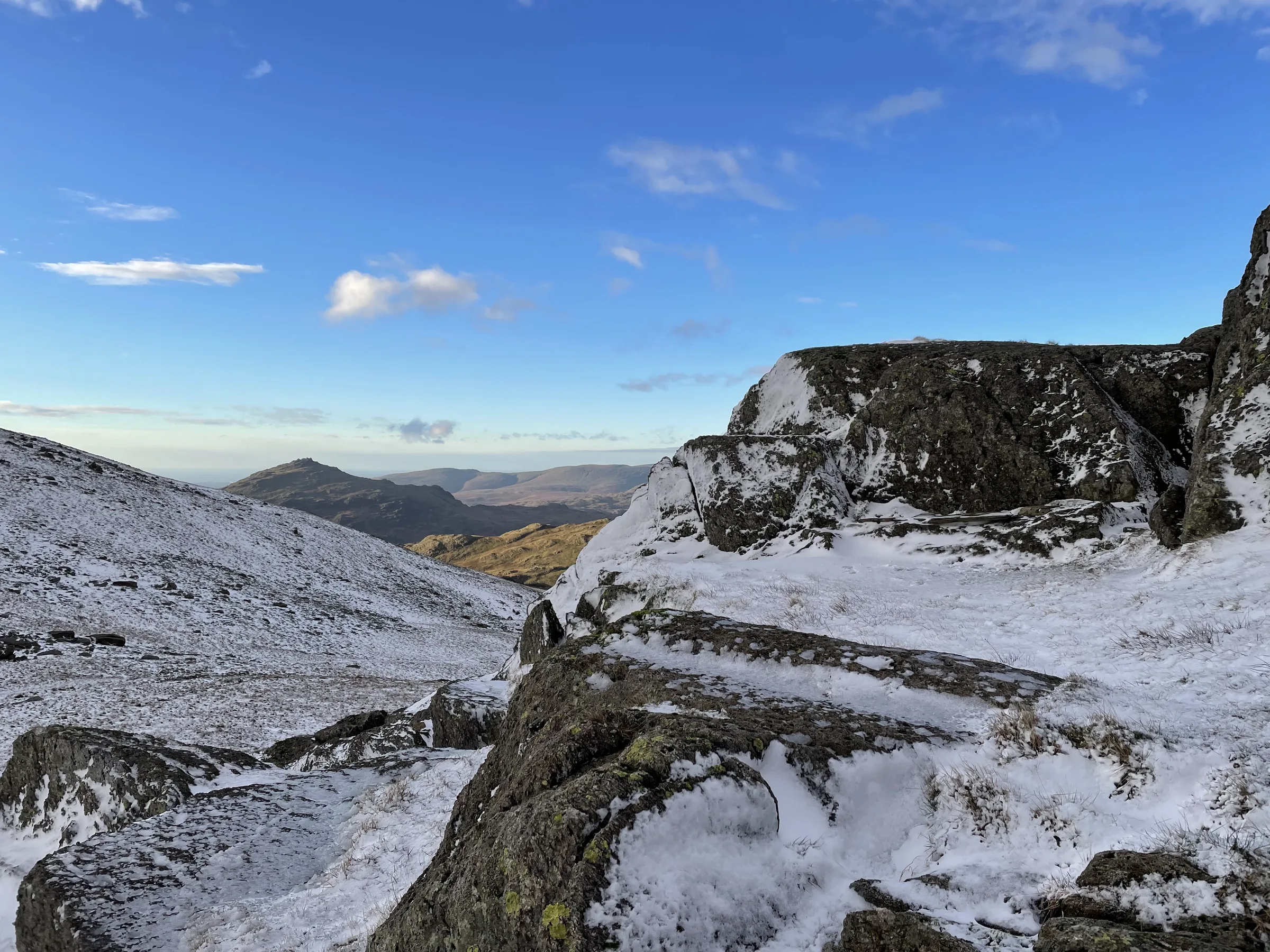
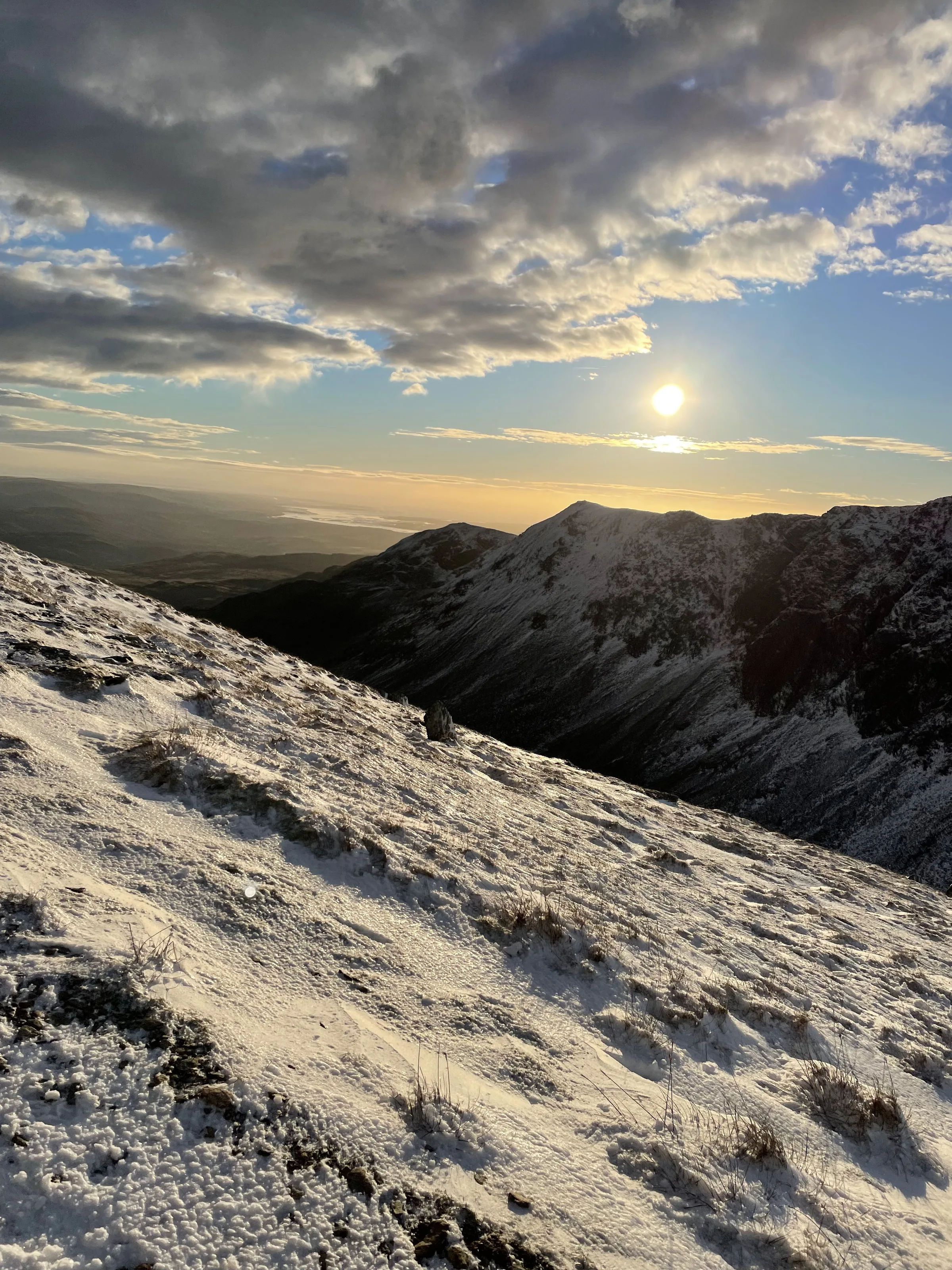
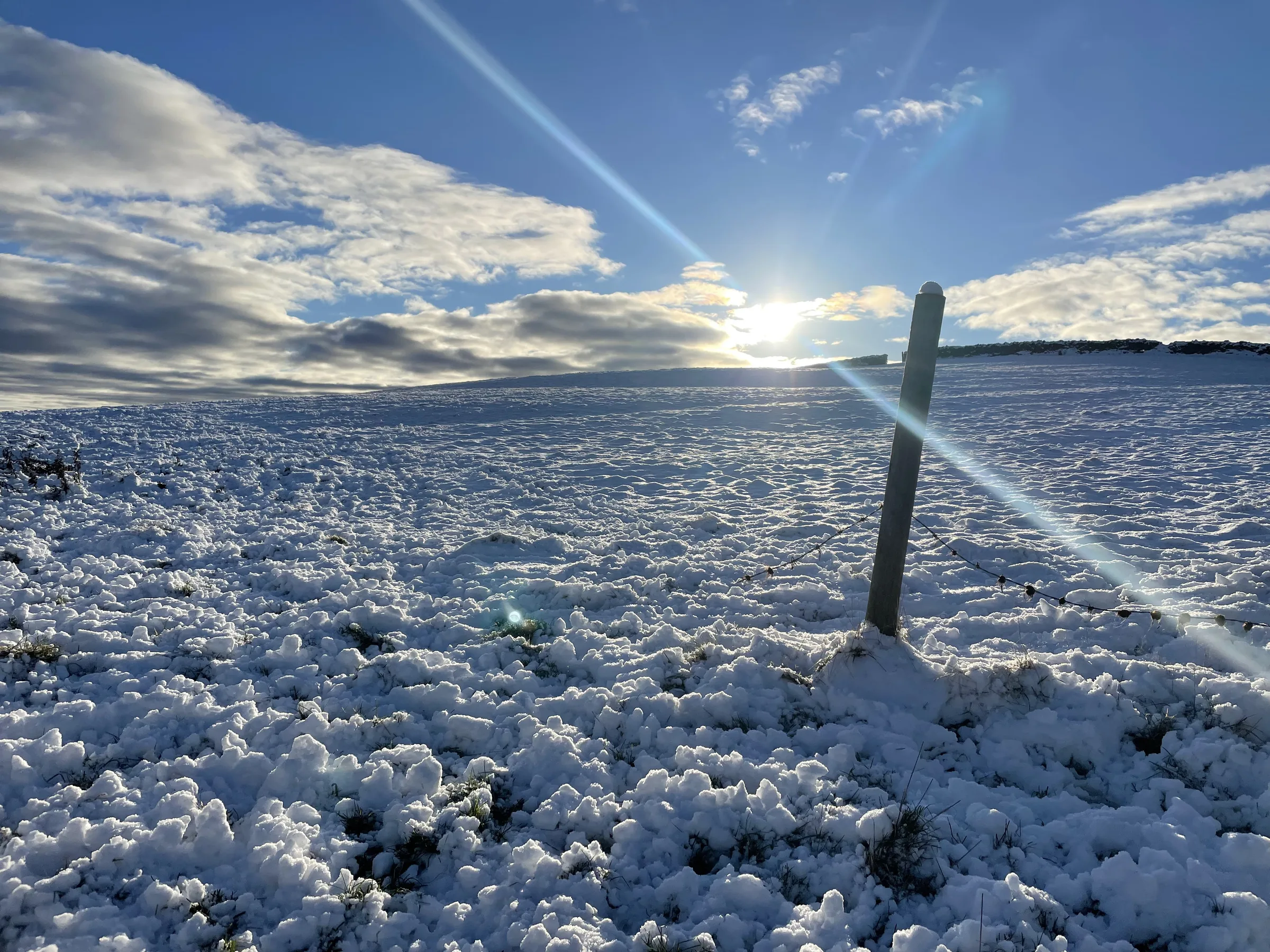
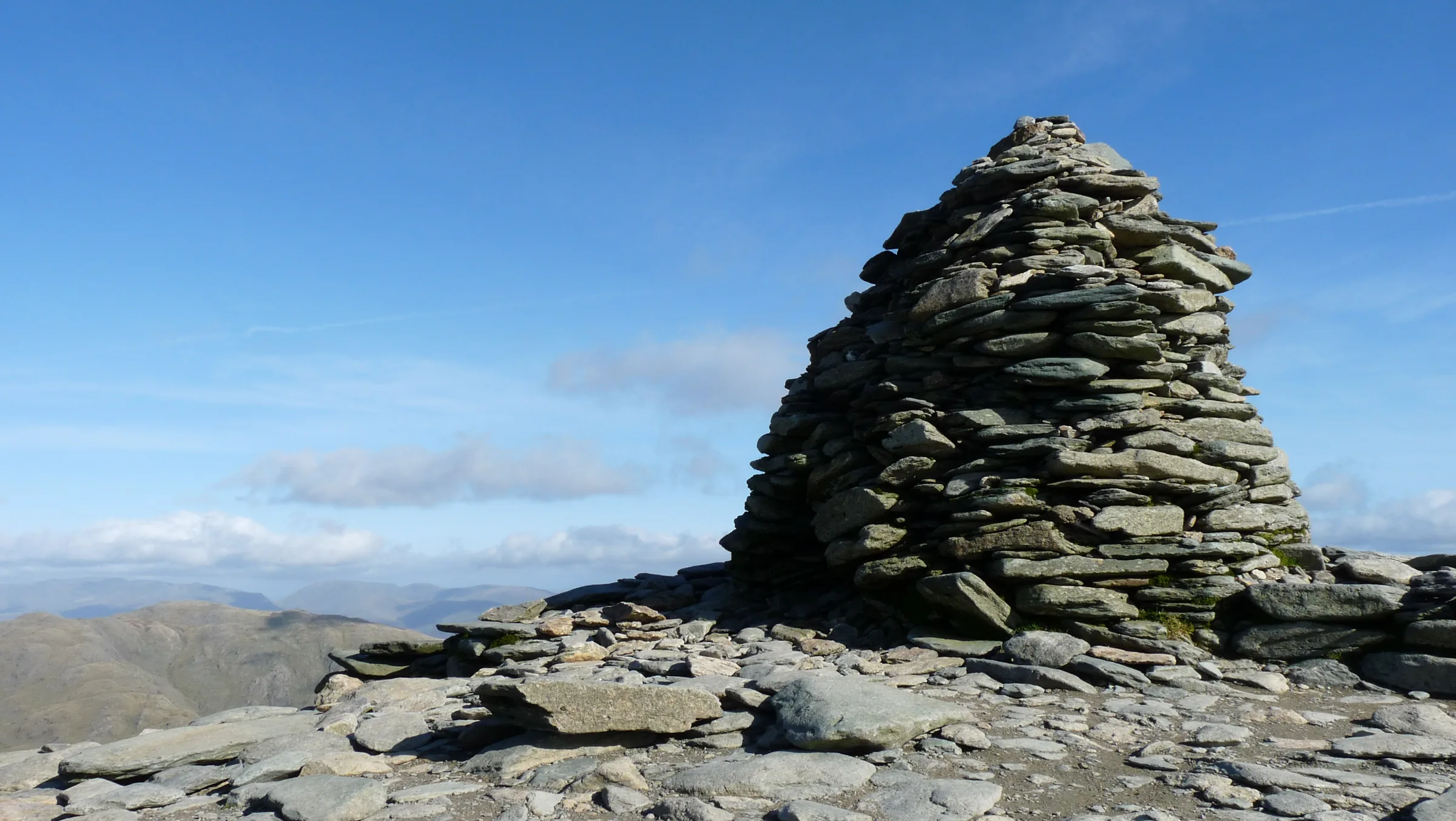
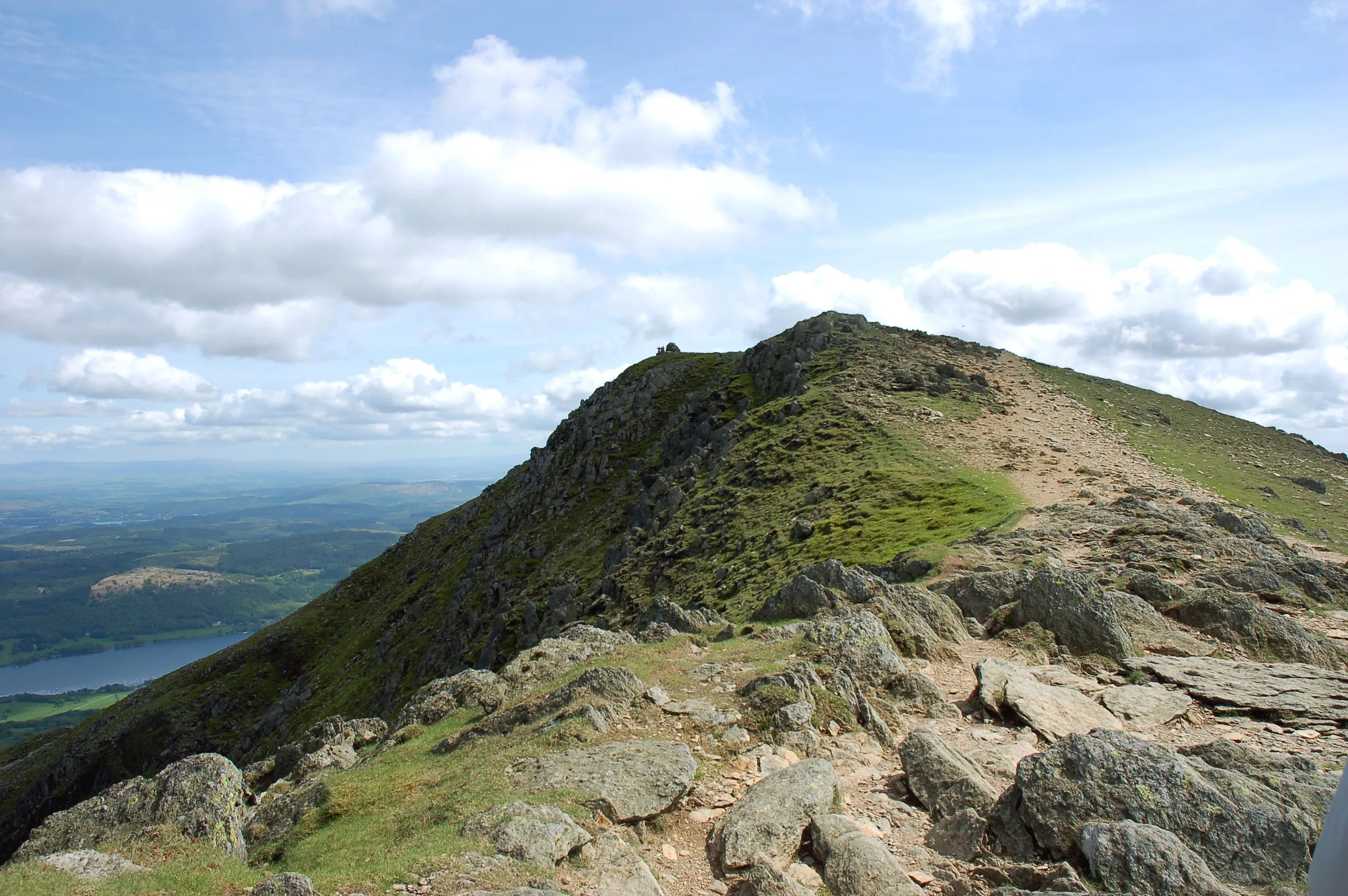
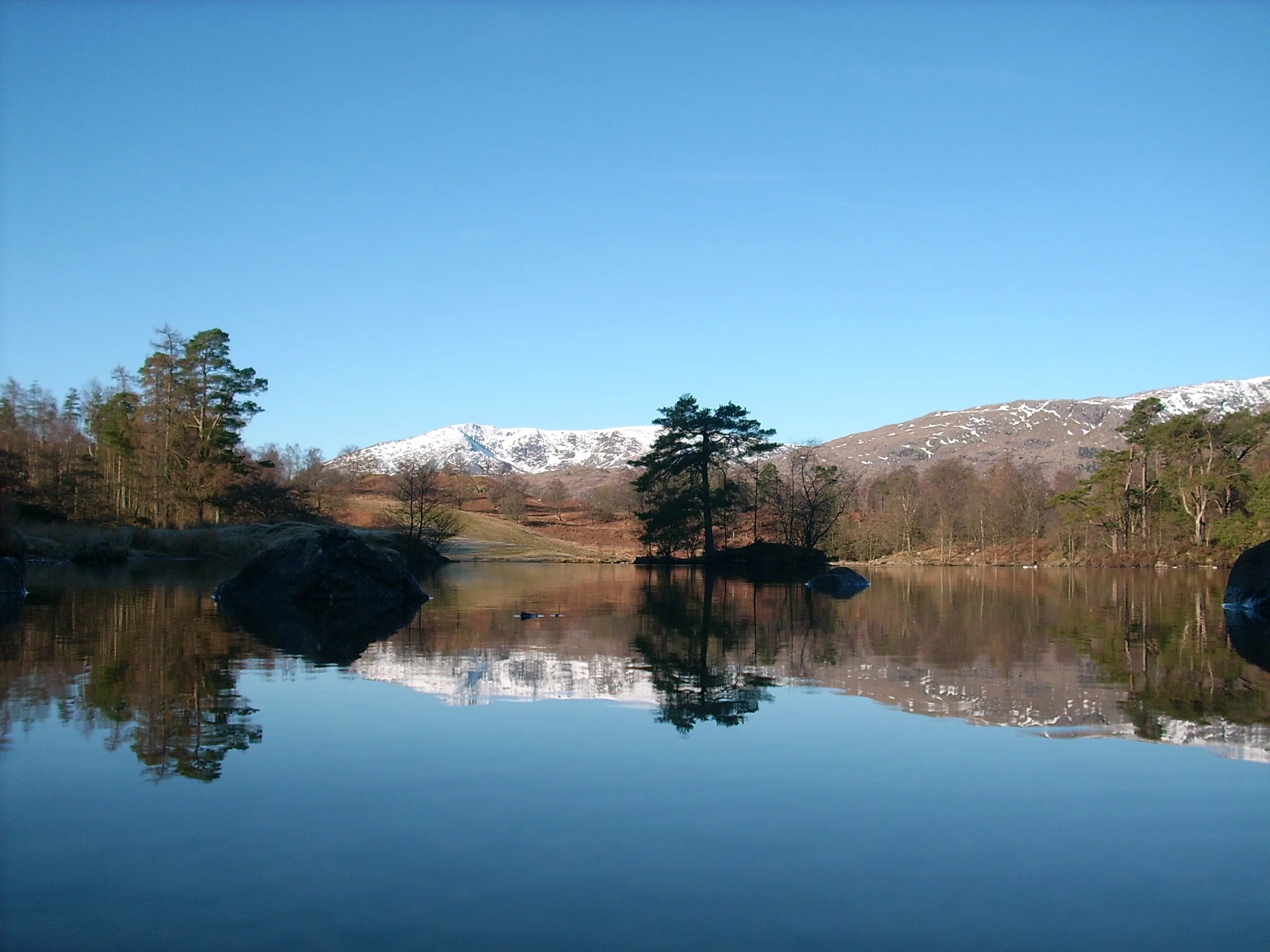
Photos
Photo credits
Photos without a credit are our own. These are used under Creative Commons licences; thank you to the photographers.
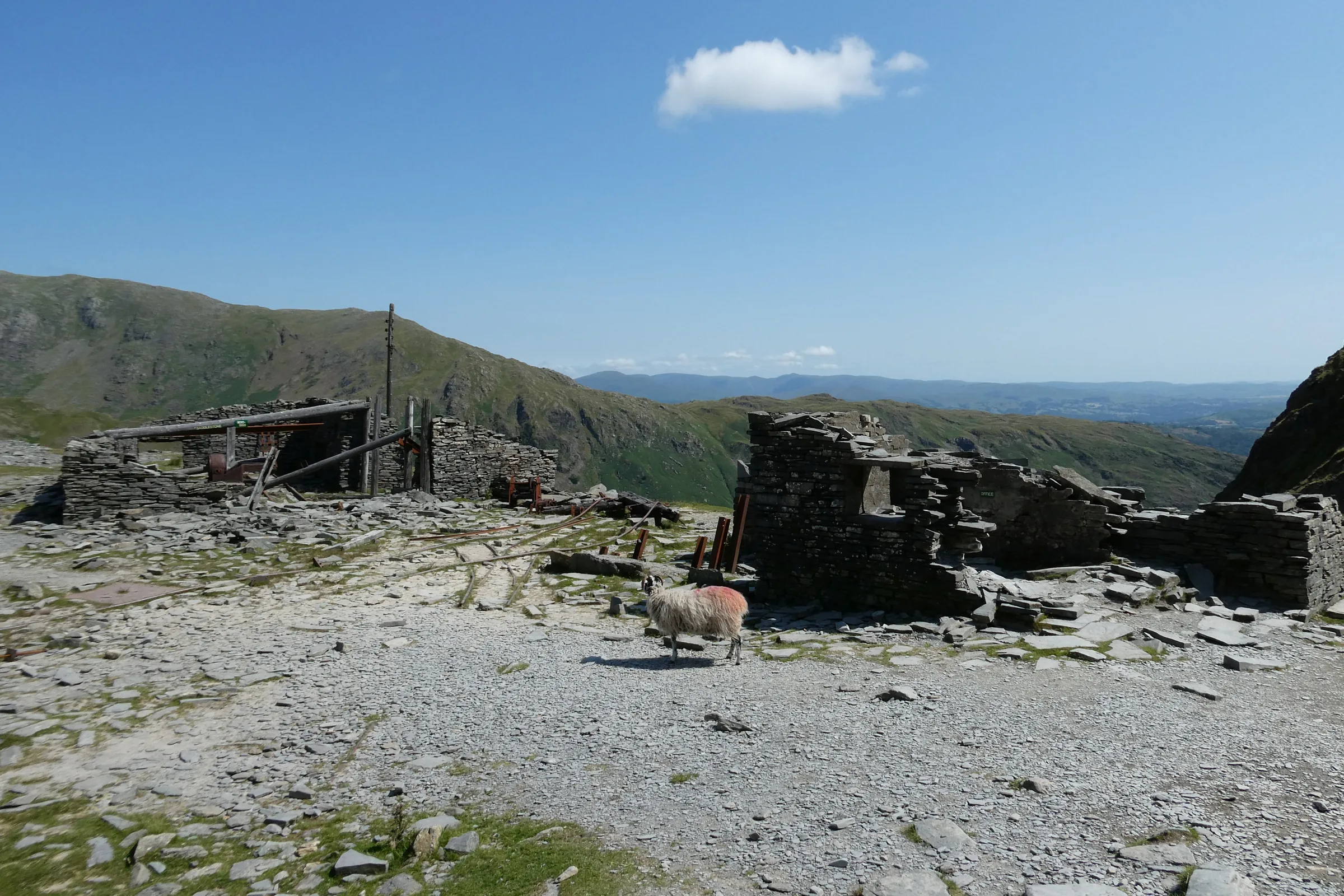
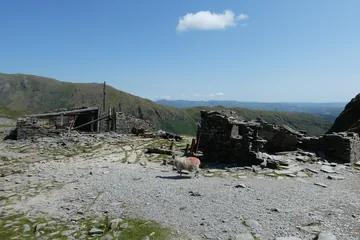
 Buildings at Moss Head Quarryby DS Pugh, Wikimedia Commons (Geograph)Original photoCC BY-SA 2.0 licence
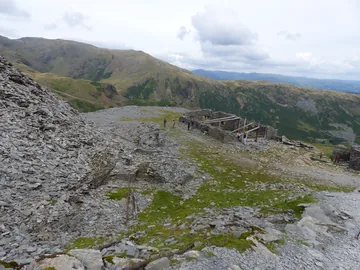
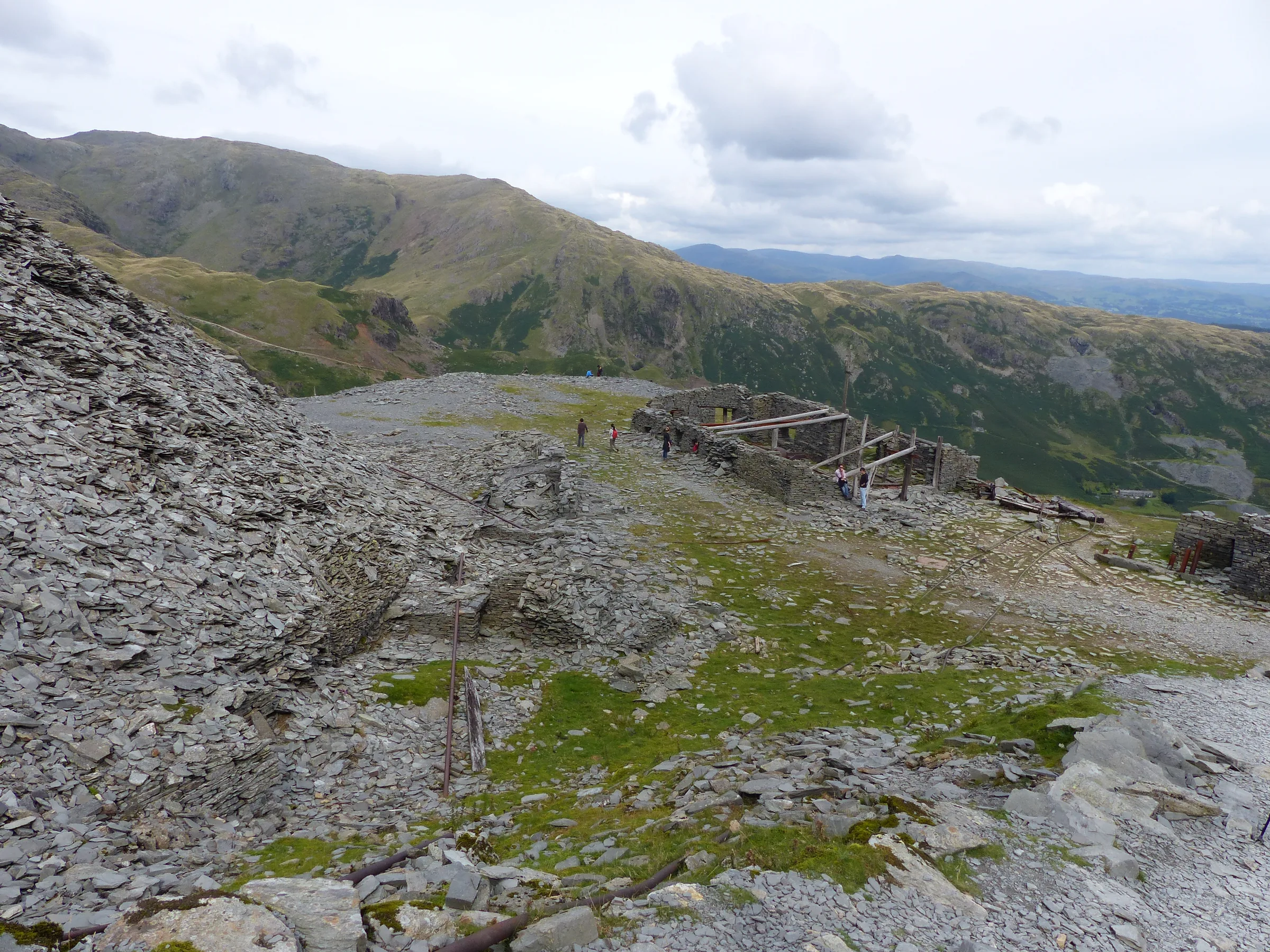
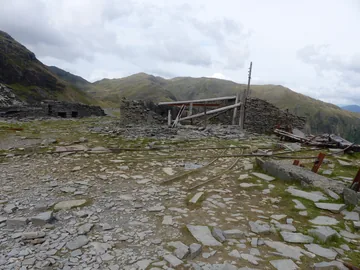 Ruined buildings, Coniston Quarriesby Anthony Foster, Wikimedia Commons (Geograph)Original photoCC BY-SA 2.0 licence
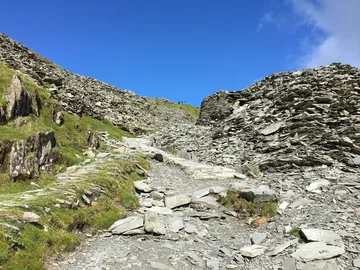 Path up past Coniston Minesby Steven Brown, Wikimedia Commons (Geograph)Original photoCC BY-SA 2.0 licence
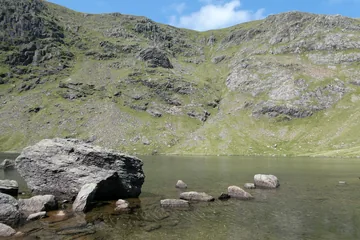
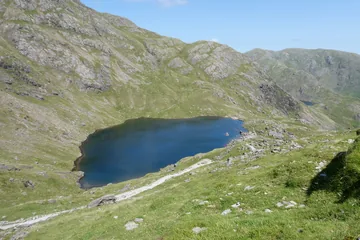
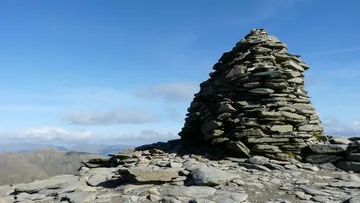 On the Way up the Old Manby Peter Trimming, Wikimedia Commons (Geograph)Original photoCC BY-SA 2.0 licence
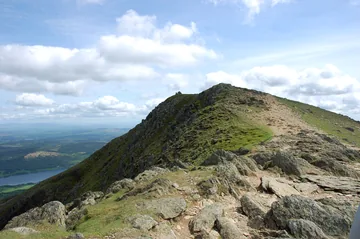 The Old Man of Conistonby slippymark, Wikimedia Commons (Panoramio)Original photoCC BY-SA 3.0 licence
Hints & Tips
The Climb to Goat's Hawse
The pull up from Goat's Water to Goat's Hawse is the steepest part of the walk, on a rough, stony path. Take it steadily and stop to look back at the tarn; once you're on the ridge the rest of the way to the summit is easy.
The Quieter Way Up
Most people climb the Old Man straight up through the quarries, so this loop saves that busy path for the way down. The way up by Goat's Water is usually much quieter.
Keep Out of the Mines
The old workings are fascinating, but stay on the path. Mine levels, shafts and quarry edges can be unstable and some drop a long way, so don't go into any tunnels and keep children and dogs close through the quarries.
Get There Early
The Walna Scar car park is a popular start for the Old Man and fills quickly on fine weekends and in the holidays. Arrive before 9AM, or walk up from the village car parks, which adds about a mile each way.
A Pint at the Bottom
There's nothing on the route itself, so take plenty of water and snacks. The Sun Hotel is right on the lane back down to the village and is the classic place for a drink after the Old Man.
Interesting Facts
General
Lancashire's Highest
The Old Man is 803m high and was the highest point in Lancashire until Cumbria was created in 1974. It's one of the 214 Wainwrights
Trout in the Tarn
Goat's Water, in its rocky hollow beneath Dow Crag, is a popular spot for fly fishing, with small wild brown trout
Bluebird
From the summit you look straight down Coniston Water, where Donald Campbell set water speed records in Bluebird and was killed attempting another in January 1967
Climbers' Crag
Dow Crag, across Goat's Water from the path, is one of the Lake District's best-known rock climbing cliffs, and on a fine day you'll often see climbers on its buttresses
The Real Kanchenjunga
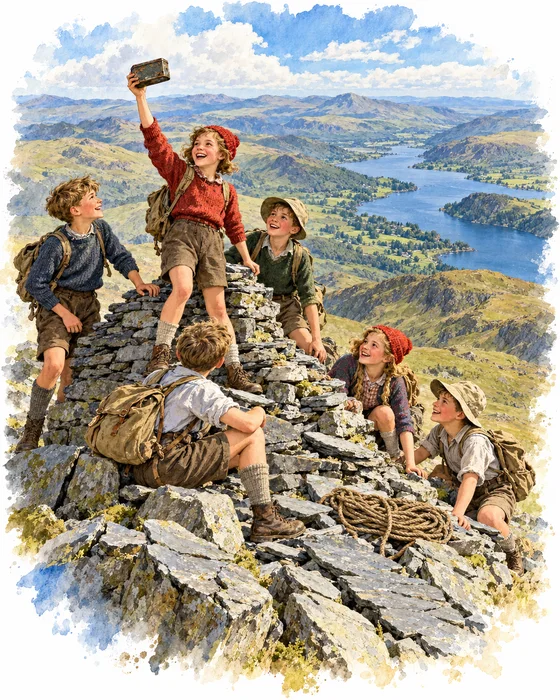
Arthur Ransome had climbed the Old Man many times, and in his 1931 book Swallowdale it becomes Kanchenjunga, named after the Himalayan giant that was in the news while he was writing. The Swallows and Amazons make it their greatest expedition, and at the summit cairn they find a box left by the Amazons' family when they climbed the mountain thirty years before. Back then the grown-ups had called it the Matterhorn.
The real Kangchenjunga stands on the border of Nepal and Sikkim and, at 8,586 metres, is the third highest mountain in the world. A Bavarian team led by Paul Bauer tried and failed to climb it in 1929 and 1931, and Günter Dyhrenfurth's expedition tried in 1930.
Ransome's own link with the Old Man went back to his childhood. His family took regular holidays at Nibthwaite, and he was carried to the top of the Old Man as a baby. As an adult he lived for a time in a house on the east shore of Coniston Water.
Miners and Quarrymen
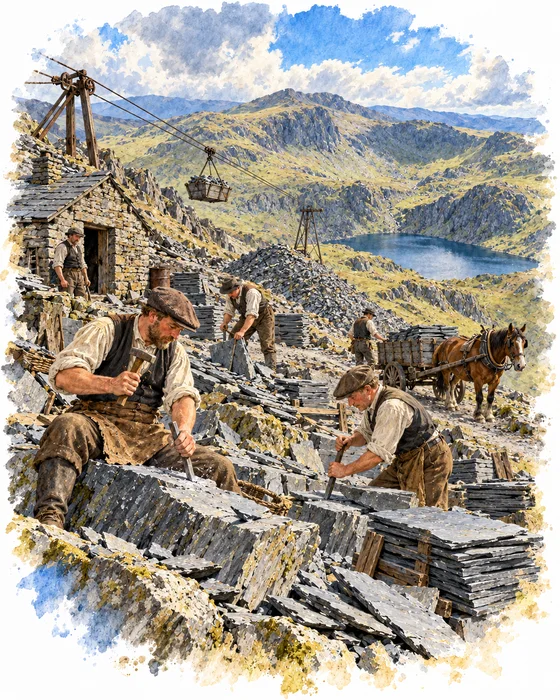
People have been digging into the Old Man for centuries. German miners from the Tyrol were working copper here by 1600, and the Coniston copper mines were at their busiest in the 1870s before copper mining finally stopped in 1914. The early miners dug by hand, yet still reached more than 180 feet below the surface. Gunpowder arrived at the end of the 17th century, then dynamite in 1877. Boys and women sorted the ore, smashing the big lumps with hammers. From the 1880s cheap imported ore pushed copper prices down, and the mines slowly closed.
Slate has been quarried on the mountain since at least the 1500s, and Low Water was once dammed to supply the quarries below it. The earliest big working was probably Low Water Quarry, cutting a silver-grey volcanic slate. These local mines and quarries gave Arthur Ransome the idea for his book Pigeon Post.
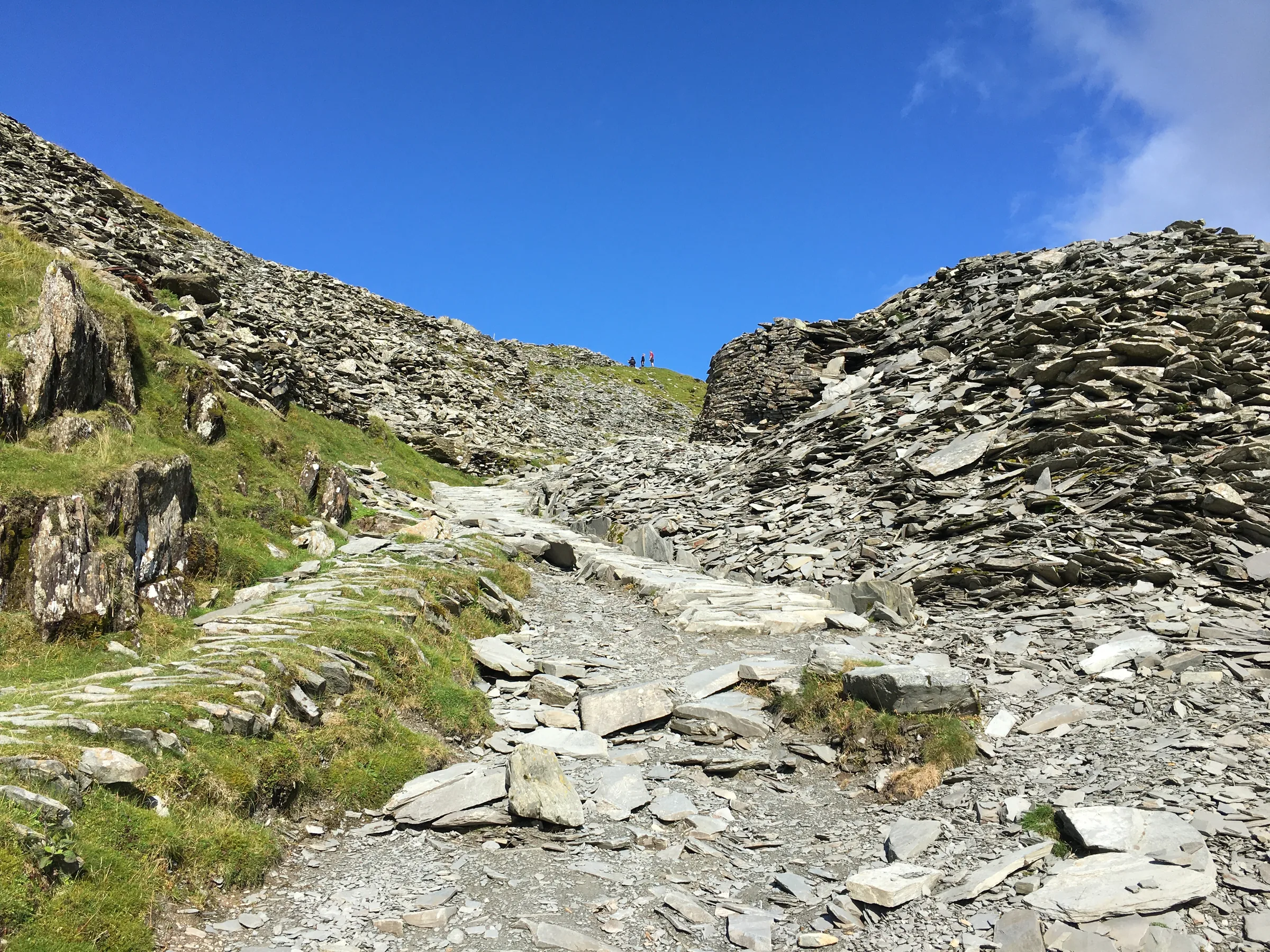
On the way down you walk right through what they left behind: spoil heaps, rusting cables, ruined huts and the dark mouths of old levels. Bursting Stone quarry, on the Old Man's south-eastern flank, is known for its olive-green slate.
More Hikes
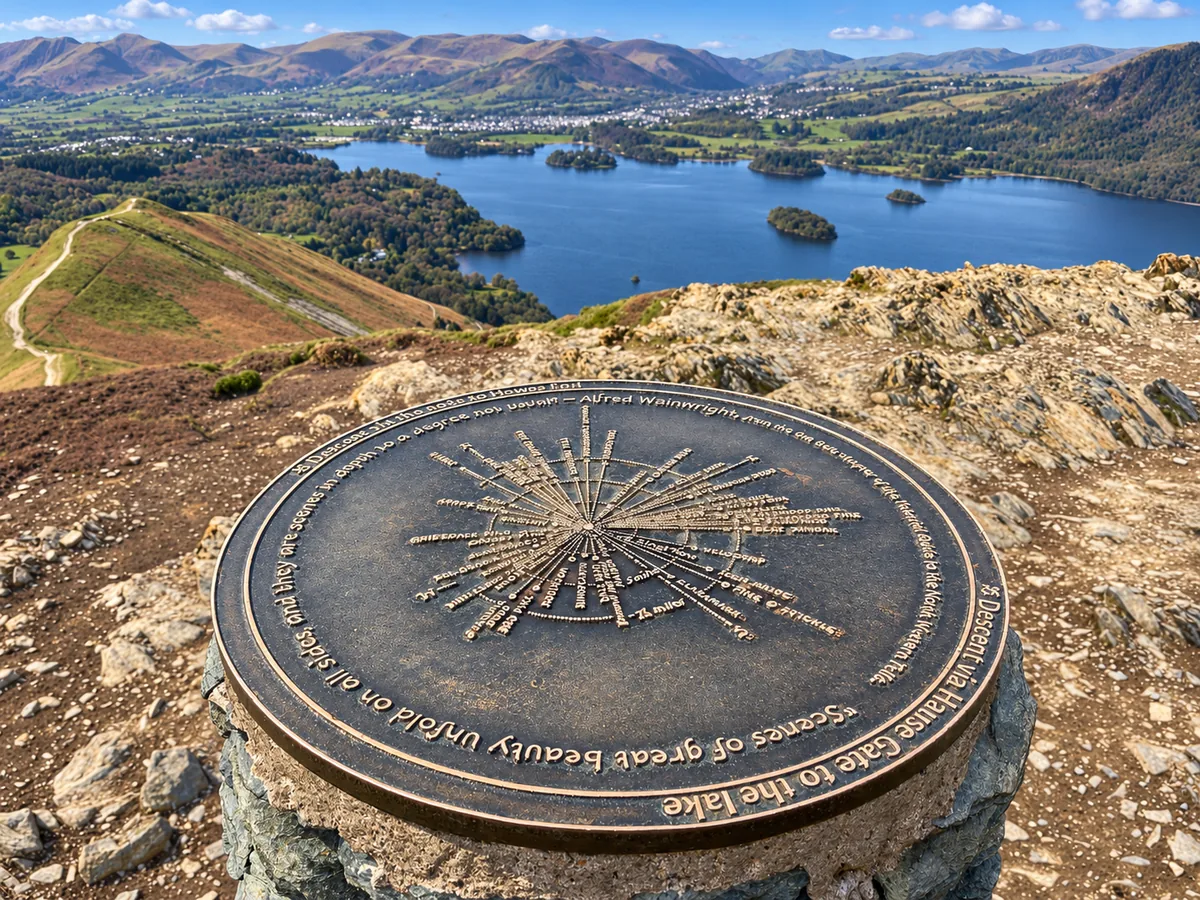 ModerateCatbells3.6 mi · 2–3 hrs · 404m
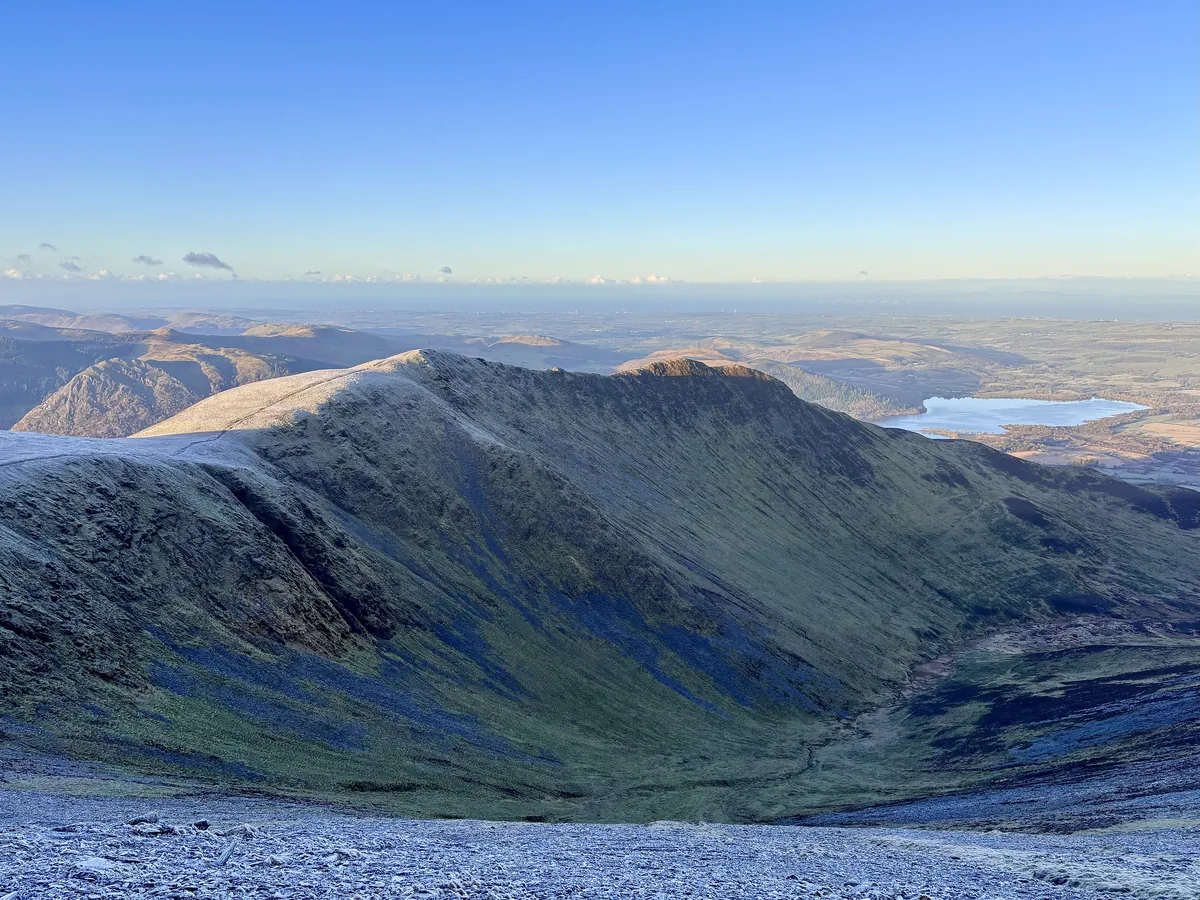 HardSkiddaw6.5 mi · 4–5 hrs · 870m
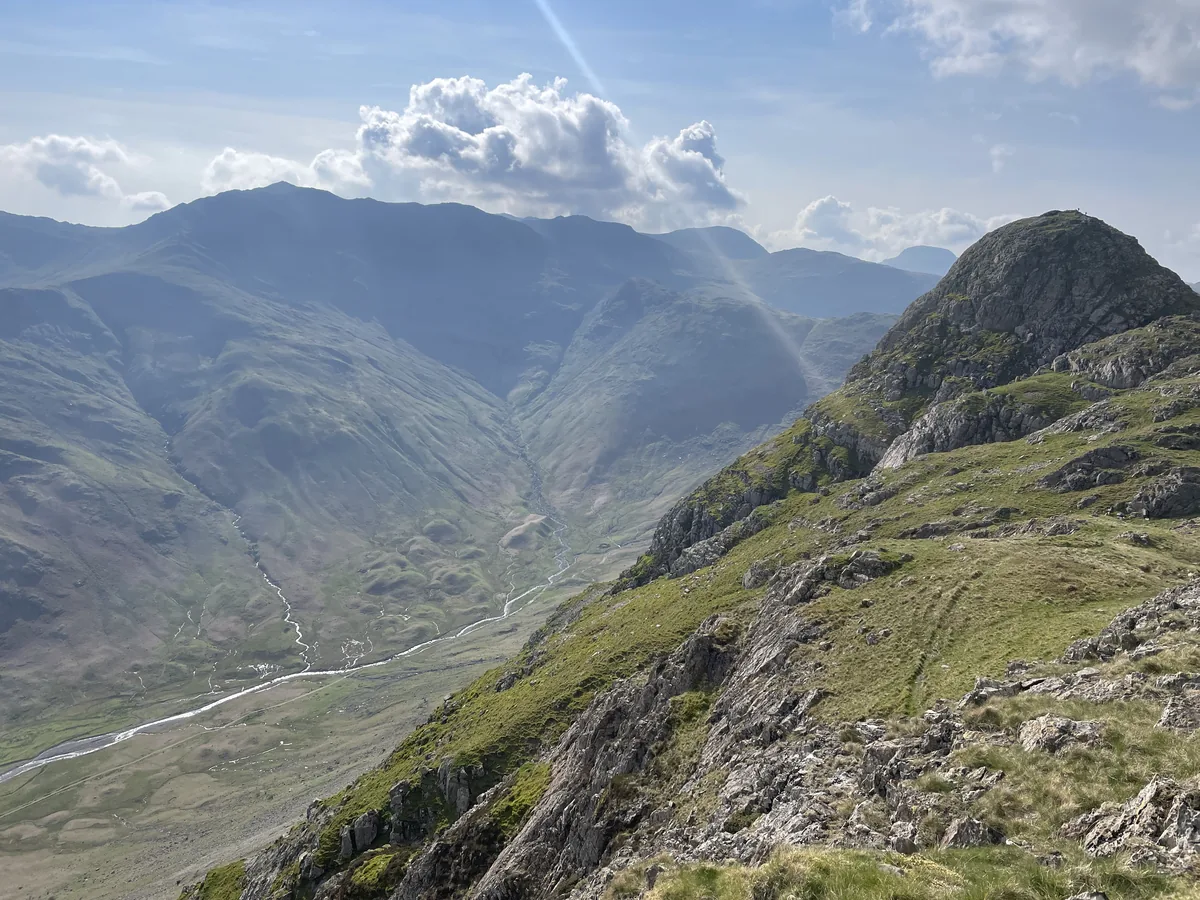 HardPike of Stickle4.1 mi · 3–4 hrs · 710m
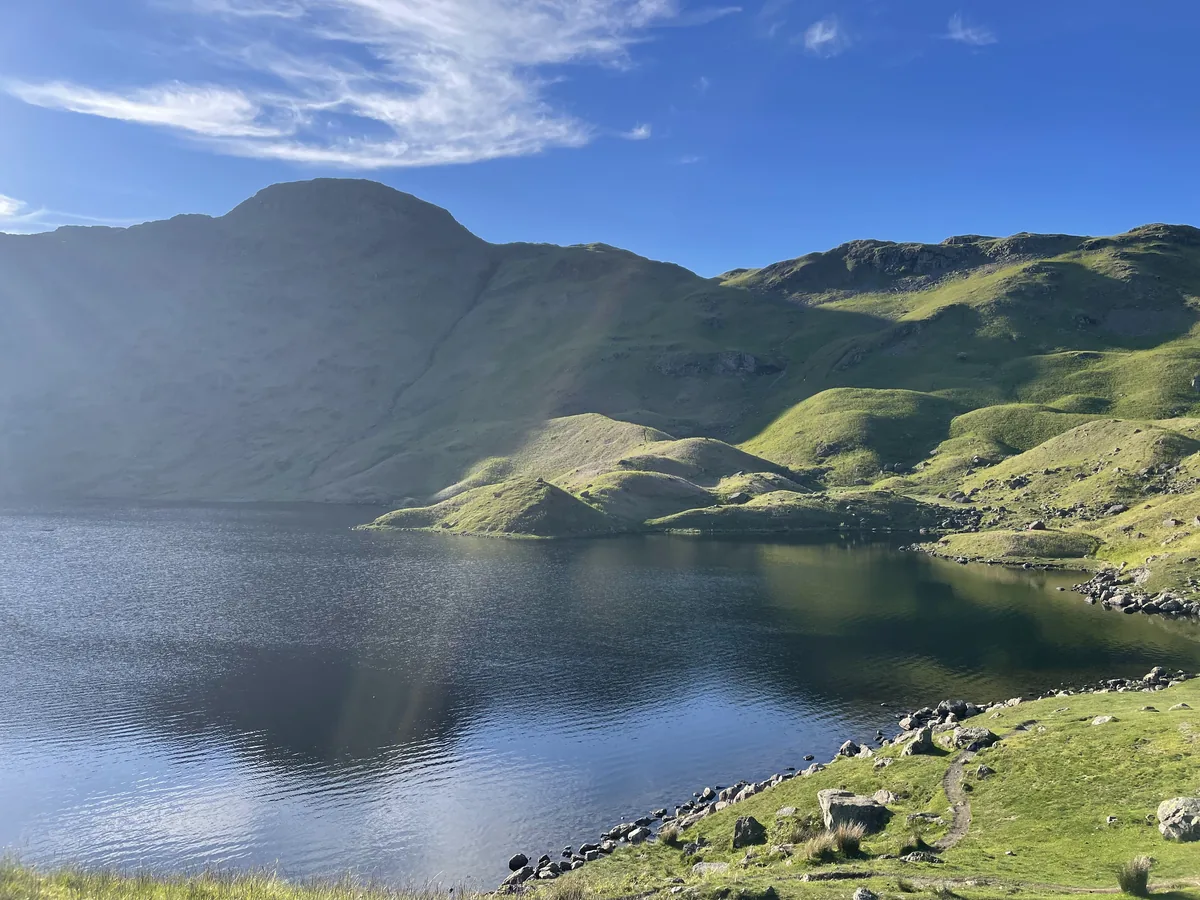 ModerateEasedale Tarn6.9 mi · 4–4½ hrs · 600m
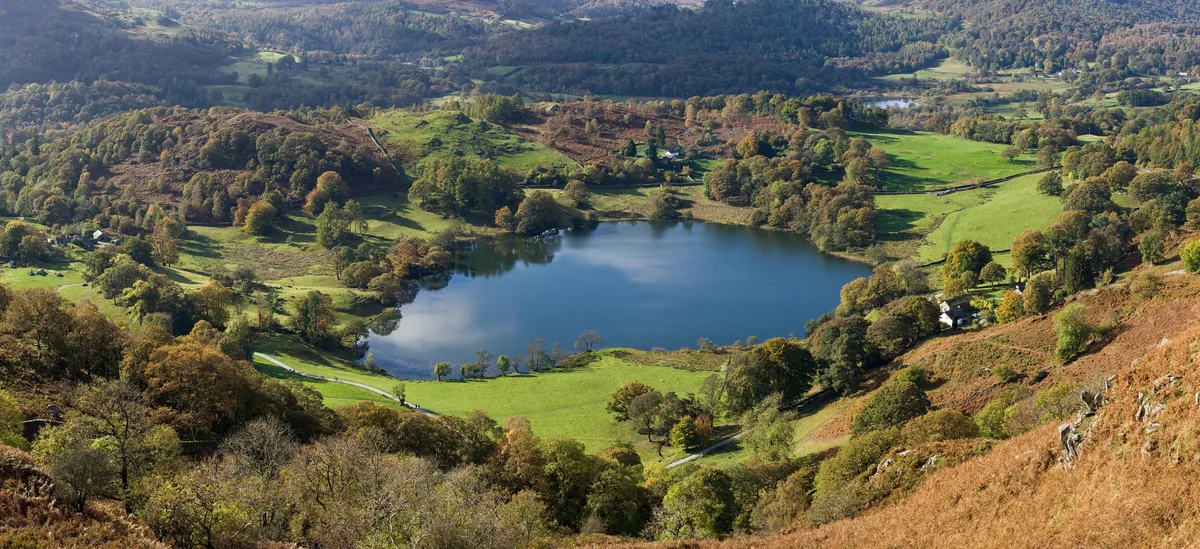 EasyLoughrigg Fell3.0 mi · 2–2½ hrs · 326m
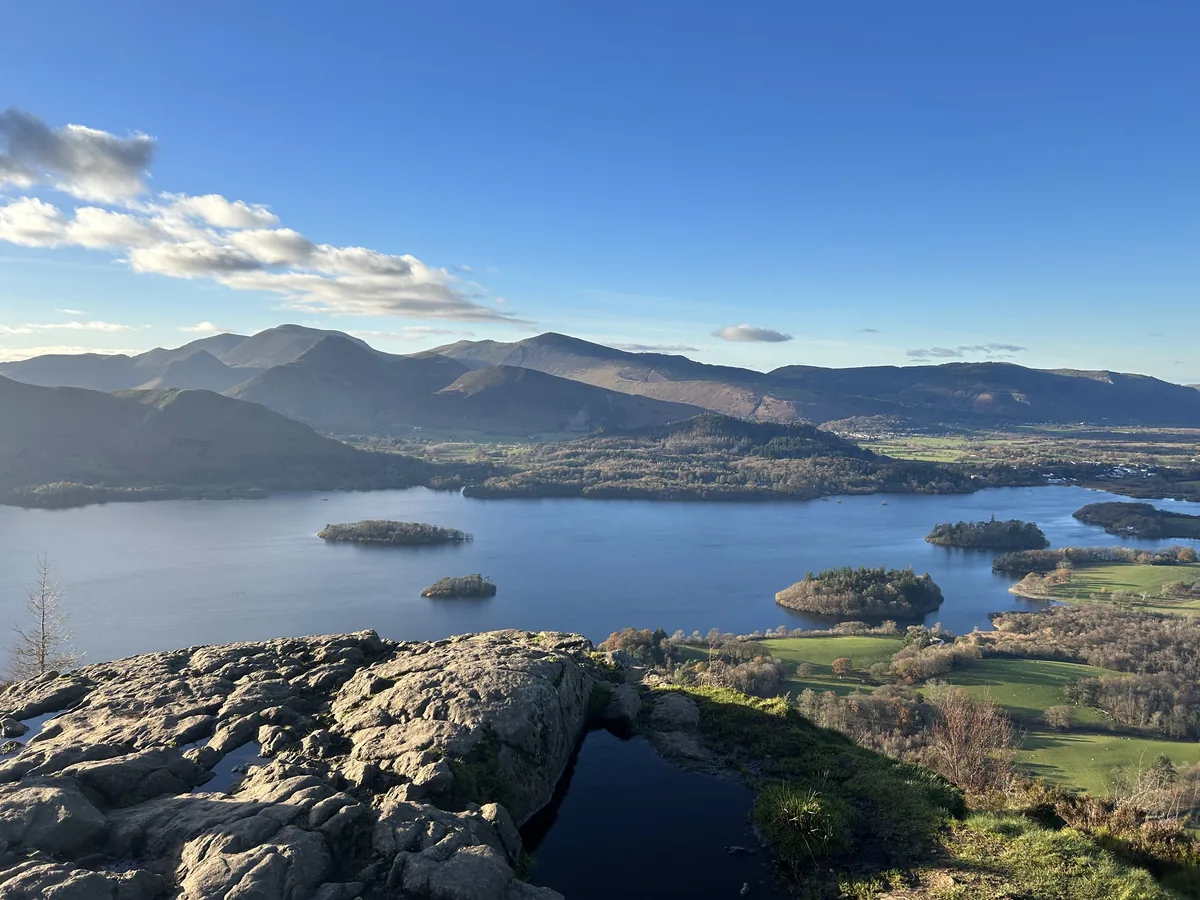 ModerateWalla Crag & High Seat5.8 mi · 3½–4½ hrs · 547m
Subscribe for updates on new hikes and National Parks
One email a month with new hikes and routes. No spam.